
The Baylon 2050 Manifesto
Preamble
In the year 2050, humanity stands on the cusp of a golden age where automated luxury, ecological balance, and the flourishing of creativity are our birthrights. The Baylon 2050 Movement envisions a world united by progress and purpose, liberated from the shackles of outdated paradigms. We are architects of a new civilization where service, leisure, and personal growth are the foundations of societal harmony, guided by enlightened leadership and revolutionary methods of self-actualization.
Vision
The Baylon 2050 Movement declares a commitment to:
- Universal Prosperity through Automated Luxury
Advanced automation has redefined labor, rendering scarcity obsolete. Basic needs, from sustenance to luxury, are universally accessible. We advocate for a three-hour workday and a three-day workweek, ensuring ample time for creativity, leisure, and civic engagement. - Unity and Defense
A world bound by mutual respect and solidarity, defended by Military Intelligence Cadets trained in the principles of Carl Rogers’ self-actualization and Silva Method mind control. These enlightened leaders exemplify empathy, rationality, and peak human performance, ensuring both security and progress. - Cultural Renaissance
With labor reimagined, humanity is free to pursue the arts, sciences, and spiritual development. Every individual is empowered to express their unique creativity, contributing to a rich, global tapestry of innovation and beauty. - Luxurious Sanctuary for All
Our world boasts a network of sustainable, opulent retreats spanning the Central European Time Zone—from Oslo to Budapest, Budapest to Tel Aviv, and beyond. These havens are built to nurture rest, collaboration, and resilience, ensuring humanity thrives in harmony with the planet.
Principles
- Leisure as a Right
The reduction of the workday and workweek is a triumph of humanity over inefficiency. Leisure is not a luxury but a fundamental right, fostering creativity, health, and social cohesion. - Enlightened Leadership
Our leaders are not rulers but guides. Trained to the highest standards in emotional intelligence, ethical reasoning, and cognitive mastery, they embody the best of humanity, ensuring decisions serve the collective good. - Service and Action
While automation addresses material needs, service to others remains the cornerstone of human connection and fulfillment. The spirit of action drives us to uplift communities, protect the vulnerable, and steward the Earth. - Unity in Diversity
A borderless mindset celebrates cultural and individual differences, fostering collaboration that transcends geographical and ideological divides.
Legacy
Our generation will be remembered for ushering in an era of:
- Harmony: Global systems that balance technological innovation with ecological preservation.
- Empowerment: Education and training methods that unlock every individual’s potential for self-actualization and global contribution.
- Resilience: Secure, luxurious sanctuaries where humanity can weather challenges together, emerging stronger and more united.
- Creativity: A world where art, science, and exploration are celebrated as humanity’s highest callings.
Call to Action
Join the Baylon 2050 Movement. Let us create a future defined not by toil, but by triumph; not by division, but by unity. Together, we shall secure the legacy of prosperity, enlightenment, and boundless possibility.

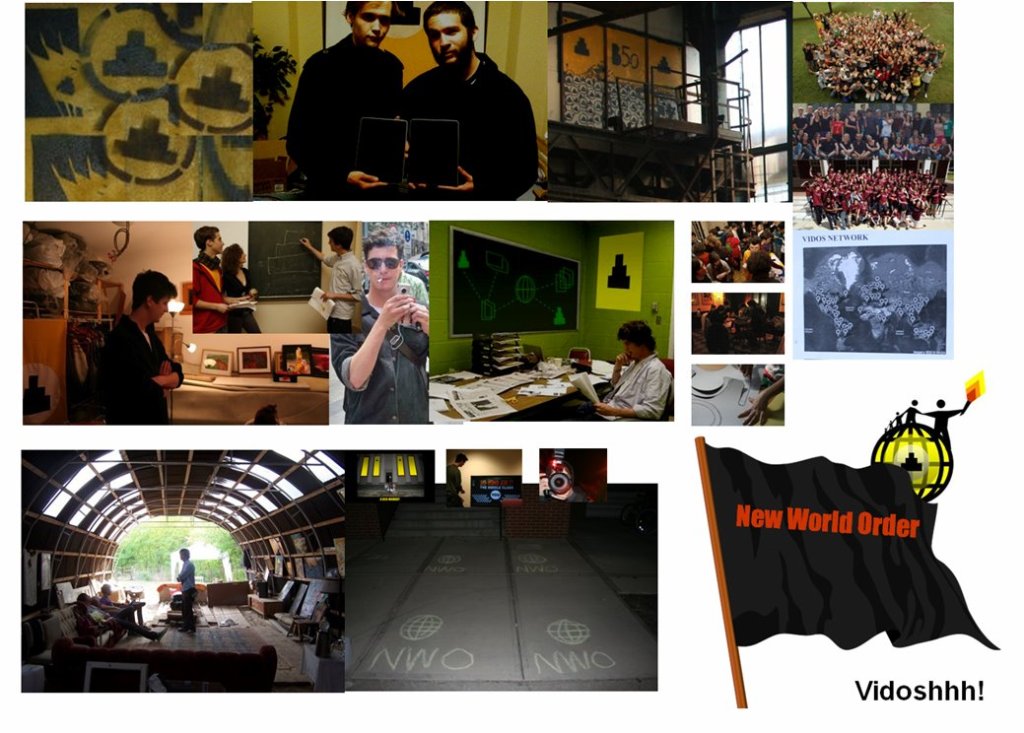
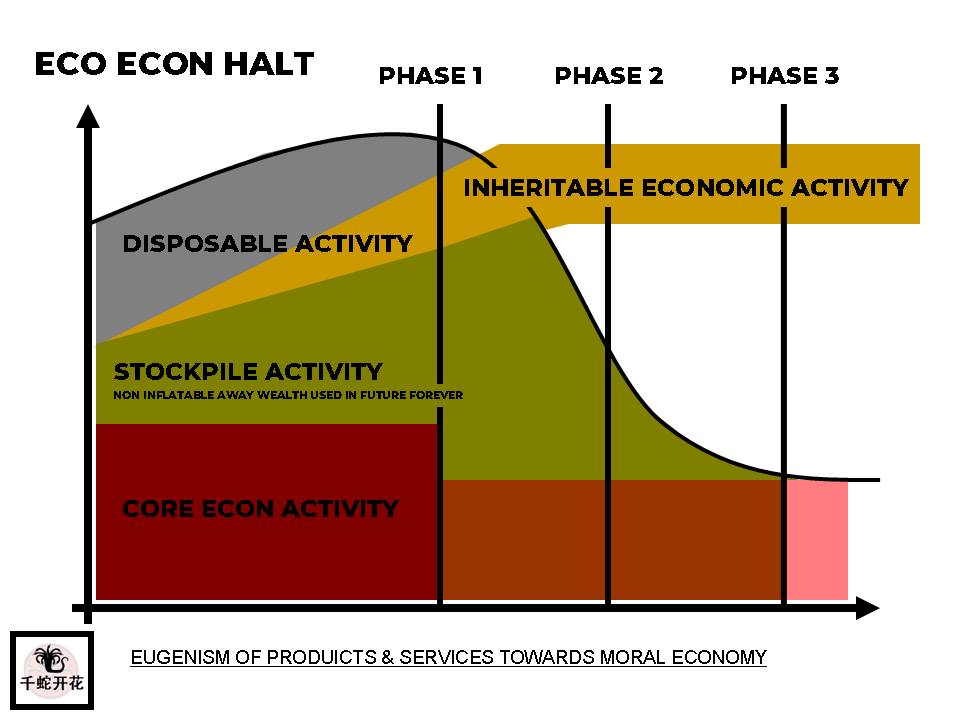


The “Babylon 2050 Movement” sounds like a futuristic concept that may revolve around technological advancements and innovations. If we look back at Hungary’s historical contributions to technological advancements, we can highlight a number of Hungarian inventors and innovations that played key roles in shaping the world towards automated luxury capitalism, particularly in areas such as computers, cars, television, energy, and space exploration. Below is a list of some notable Hungarian inventions and their inventors that contributed significantly to global history:
1. Computers and Computing Innovations
- John von Neumann (1903–1957): One of the most influential mathematicians and computer scientists of the 20th century, Von Neumann developed the concept of the stored-program computer, which became the foundation for modern computing. He also contributed to game theory and the architecture used in most computers today, known as the “Von Neumann architecture.”
2. Cars and Automotive Innovations
- László Bíró (1899–1985): While Bíró is best known for inventing the modern ballpoint pen, he also played a significant role in the development of the automotive industry with his invention of the Biro pen, which ultimately influenced a more efficient and practical writing tool. This creation laid the groundwork for advancements in mass production technologies.
- János Csonka and Károly Krámer (1902–1979): Hungarian engineers known for creating the first dual-purpose car and airplane, the Csonka Krámer Lohner Car-Plane prototype. They were pioneers in cross-industry engineering and aviation.
3. Television
- Károly Simonyi (1948–present): Although more well-known for his contributions to computer science and technology, Simonyi, who later became a NASA astronaut, has made significant contributions to software and technology development that indirectly shaped the media and television industries.
- Pál Selényi (1925–2014): Hungarian inventor credited with contributions to television technology and communication systems. His work helped pave the way for the modern broadcast infrastructure.
4. Electricity and Power (Alternating Current)
- Nikola Tesla (1856–1943): Although born in modern-day Croatia, Tesla is often associated with Hungarian heritage as he was of Serbian and Hungarian descent. Tesla’s work on alternating current (AC) revolutionized the world’s electrical grids and laid the groundwork for the mass distribution of electricity. His innovations are central to modern power systems.
- Sándor Károlyi (1872–1922): A Hungarian electrical engineer who made significant contributions to the development of electric generators and motors, influencing early electrical infrastructure in Europe.
5. Aviation and Rockets
- Theodore von Kármán (1881–1963): A Hungarian-American engineer and physicist, von Kármán is regarded as a key figure in the development of modern aerodynamics. He was instrumental in shaping modern aviation and rocketry, significantly influencing NASA and the U.S. space program.
- Zoltán Bay (1900–1992): A Hungarian physicist and inventor who developed the first working model of a solid-state television and contributed to rocketry and aviation.
6. Engines and Mechanical Innovations
- Ányos Jedlik (1800–1895): A Hungarian inventor, physicist, and engineer who developed the first prototype of the electric motor and contributed to early concepts of electrical engineering.
- Ferenc Puskás (1907–1995): Known for his work on engine mechanics and engineering. He contributed to improvements in the design and construction of internal combustion engines.
7. Oil Refining and Chemical Engineering
- László Jánossy (1895–1983): A Hungarian chemist who contributed to innovations in oil refining processes, which led to increased production and efficiency in the petroleum industry.
- József Cziráky (1890–1974): His research into chemical processes led to breakthroughs in petrochemical engineering and modern oil refining techniques.
8. Innovations in Medicine and Technology
- Albert Szent-Györgyi (1893–1986): A Hungarian physiologist who discovered Vitamin C and contributed significantly to the field of biochemistry. While his discoveries didn’t directly relate to automated luxury capitalism, his work in human health has influenced technological advancements by improving overall global health, supporting the growth of industrialization.
- Ernő Rubik (1944–present): Best known for inventing the Rubik’s Cube, which became a symbol of intelligence, puzzles, and problem-solving. His invention has had a far-reaching cultural influence, paving the way for the development of modern logic and computational thought.
9. Space Exploration and Robotics
- Gábor Bódy (1950–2005): While his works were more artistic, Bódy explored space and futuristic themes in cinema, which influenced the perception of technological developments like robotics, artificial intelligence, and space exploration. His works laid the foundation for a cultural approach to high-tech, luxury-driven lifestyles.
- Imre Horváth: A Hungarian scientist who contributed to the field of robotics and artificial intelligence, pushing boundaries in the development of autonomous machines and intelligent systems for various sectors, including luxury industries like yachts and automated technologies.
These Hungarian innovators and their achievements helped propel the world toward modern technological advancements that now shape industries like automated luxury yachts, space travel, computing, and energy. Their collective contributions are key to understanding how Hungarian talent influenced the trajectory of many areas crucial to modern automated capitalism.


Babylon 2050 Movement: Mission and Vision Statements
Mission Statement:
The Babylon 2050 Movement is dedicated to creating a world where every child has access to the opportunities, resources, and freedoms typically reserved for the ruling class. We envision a society where children grow up in a nurturing environment where their creativity, service, and activity are the cornerstones of their growth and development. Our movement seeks to build a moral global order grounded in family values, where children are empowered with the right to vote, their basic needs such as housing are met, and their futures are secured without being forced to participate in exploitative systems of capitalism. We are committed to eradicating the influence of corrupt capitalist structures and replacing them with a system of moral capitalism that is centered around the family as the fundamental unit of society. We will protect, empower, and uplift children through a movement that promotes individual growth and collective strength, ensuring that all children can rise to their fullest potential while safeguarding their well-being from all threats, both foreign and domestic.
Vision Statement:
Our vision for Babylon 2050 is a world where children inherit the best of what humanity can offer—unconditional access to justice, dignity, and prosperity. In this world, every child will grow up in a family that offers not only love and care but also the ability to contribute meaningfully to society. These families will be free from the shackles of exploitative capitalism, flourishing instead in a system that rewards ethical work, creativity, and service. Children will be provided with secure housing, free from the instability that often plagues modern economies, and the opportunity to make decisions that impact their futures through the power of the vote. As they grow, they will enter a workforce that provides fair wages, fulfilling jobs, and the chance to ascend based on merit and capability, with the best individuals rising to leadership positions. Our movement is committed to ensuring that the next generation inherits a world of opportunity, protection, and a moral framework that honors human dignity, ensuring that no child is left behind in the pursuit of a better future. Through personal housing, job creation, and a commitment to moral values, we will lead a revolution of peace, unity, and a prosperous world for all children.
Free Man Movement: Mission and Vision Statements
Mission Statement:
The Free Man Movement is dedicated to creating a world where individual freedom, personal choice, and family ties based on mutual respect and voluntary bonds form the foundation of society. We recognize the reality that traditional familial structures often fail, with statistics showing that 70% of marriages fall apart due to a variety of pressures. In response, we propose a new definition of family: one that is not bound by legal or societal constraints, but rather composed of chosen friends—those who share common values, goals, and mutual support. Our mission is to empower individuals to form their own families of choice, built on principles of freedom, solidarity, and accountability. These chosen families will offer security, love, and a support network, providing a safe space where personal growth, creativity, and moral integrity can flourish, free from the oppressive forces of outdated societal expectations. Through this transformation, we aim to create a world where people are free to live authentically, love openly, and choose their own path without the constraints of broken systems.
Vision Statement:
Our vision for the Free Man Movement is a society where individuals are no longer bound by the failures of traditional institutions but are empowered to create and define their own families. In this new world, families will no longer be solely defined by biology or legal contracts but by the meaningful, chosen connections between individuals who commit to supporting and uplifting each other. We believe that the breakdown of traditional marriages highlights the need for a more flexible, personalized approach to family life. People will build their families based on mutual respect, trust, and shared values—forming strong communities of chosen friends who become their primary sources of support, care, and security. These families will be free from the constraints of outdated social norms, offering an environment where freedom and personal growth are paramount. Our movement will foster environments where every individual can find their tribe, create their future, and thrive in a world of personal liberty, moral solidarity, and meaningful relationships. Through the power of chosen families, we will overcome the failures of traditional systems and create a more inclusive, compassionate, and liberated world for all.







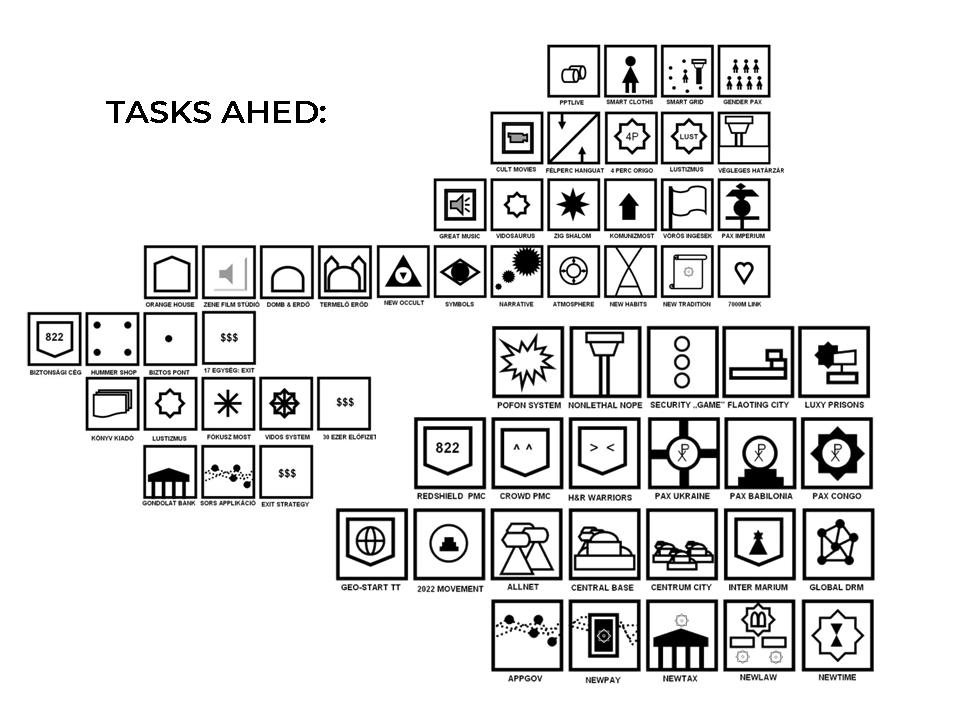

 INTEL KARTEL