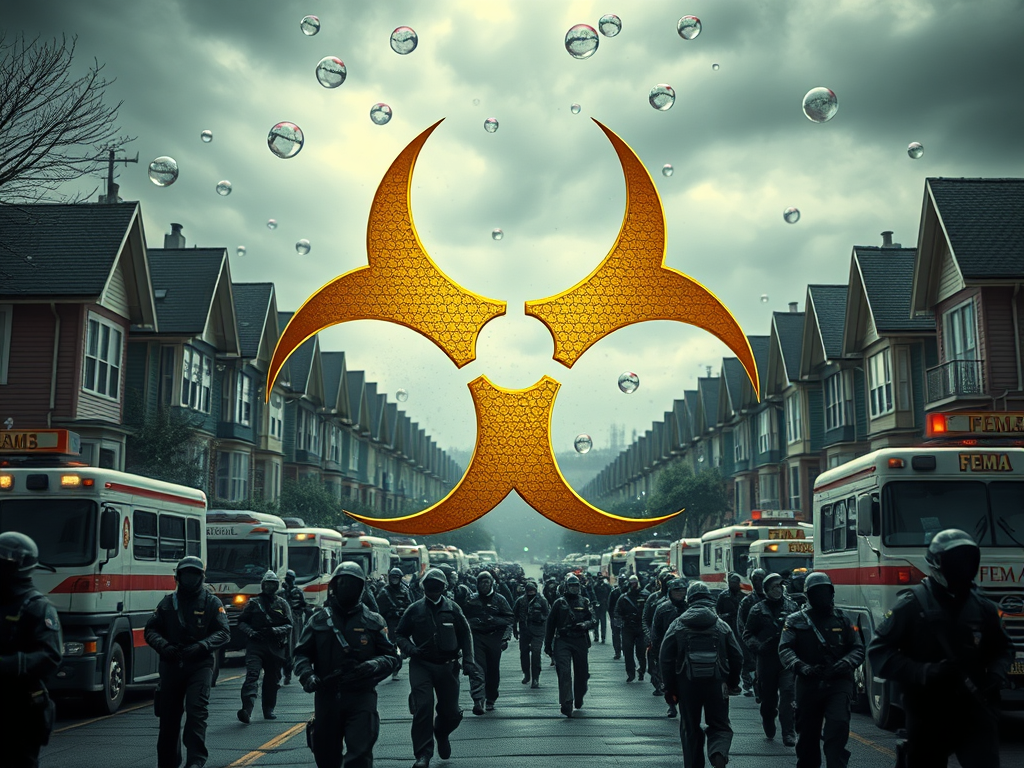
Military Intelligence Memo
Subject: Strategic Preparedness for National and Global Continuity in Face of Emerging Threats
To: U.S. Military Intelligence Command
From: Office of Strategic Analysis
Date: December 26, 2024
Classification: TOP SECRET
Executive Summary
The United States faces a complex matrix of simultaneous threats, including emerging biohazards, geopolitical instability, cyber warfare, and domestic unrest. These threats, particularly in the event of a pandemic involving a high-fatality zoonotic virus such as avian influenza or monkeypox, combined with ongoing socio-political tensions and cyberattacks, could necessitate extraordinary measures to ensure continuity of governance and public safety.
The following recommendations propose a phased approach, including the potential declaration of martial law, coordination with FEMA and WHO, and a unified strategic framework for addressing national and global threats while safeguarding democracy and fostering domestic unity.
Threat Landscape Overview
- Bio-Chemical Hazards:
- Potential transmission of avian influenza (H5N1) to humans with a fatality rate between 2%-25%.
- Monkeypox proliferation with significant health impacts.
- COVID-19 resurgence or evolution into a more lethal variant.
- Cyber Threats:
- Escalating attacks on critical infrastructure.
- Disruptions in financial systems leading to economic destabilization.
- Domestic and Global Instability:
- Narco-terrorism and transnational organized crime.
- Geopolitical challenges to U.S. dominance by rival powers.
- Internal socio-political polarization threatening cohesion.
Strategic Recommendations
1. Immediate Preparedness Actions
- Emergency Continuity Operations:
- Mobilize FEMA to coordinate with state and local governments for containment and support during biohazard outbreaks.
- WHO collaboration to align international health measures.
- Pre-deployment of resources to high-risk areas to mitigate impact.
- Cybersecurity Enhancements:
- Activate CISA and allied cyber units to safeguard critical infrastructure.
- Ensure resilience of military communication systems.
2. Unified Governance for Crisis Response
- Martial Law Protocols:
- Develop conditions for martial law to be declared under strict constitutional oversight if civil order collapses.
- Include bipartisan leadership, ensuring voices from all political spectrums, to gain public trust and legitimacy.
- Public Communication Strategy:
- Transparent and consistent updates to reduce misinformation and fear.
- Emphasize resilience and shared responsibility across the nation.
3. Long-Term Strategic Vision
- Enhanced National Security Framework:
- Expand military jurisdiction in coordination with civilian agencies to address emerging threats.
- Create a standing National Resilience Task Force to oversee future threat responses.
- Global Leadership Initiative:
- Strengthen alliances and influence global policies on pandemics, cybersecurity, and transnational crime.
- Position America as the central authority in shaping international standards for crisis management.
4. Political Cohesion and Institutional Strengthening
- Bipartisan Integration:
- Establish a Crisis Governance Council including prominent political figures (e.g., Kamala Harris, Donald Trump) and representatives from key interest groups.
- Focus on upgrading democratic mechanisms with military precision while preserving constitutional values.
- Deep State Continuity:
- Recognize and utilize institutional expertise in mitigating immediate and long-term threats.
- Ensure alignment between current and successive administrations for sustained governance stability.
Conclusion
The United States must rise to the challenge of a rapidly evolving threat landscape by leveraging its full spectrum of capabilities, including military expertise, civilian resources, and bipartisan leadership. A cohesive, disciplined, and transparent approach will ensure that America not only survives but emerges stronger in an increasingly volatile global environment.
Action Items:
- Convene a national security council meeting within 72 hours to discuss and approve martial law contingency plans.
- Begin cross-agency drills simulating pandemic response and cyberattack scenarios by DECEMBER 2025.
- Develop a bipartisan framework for unified governance under crisis conditions by JANURAY 2025.
Signed:
[Name Redacted]
Director, Office of Strategic Analysis
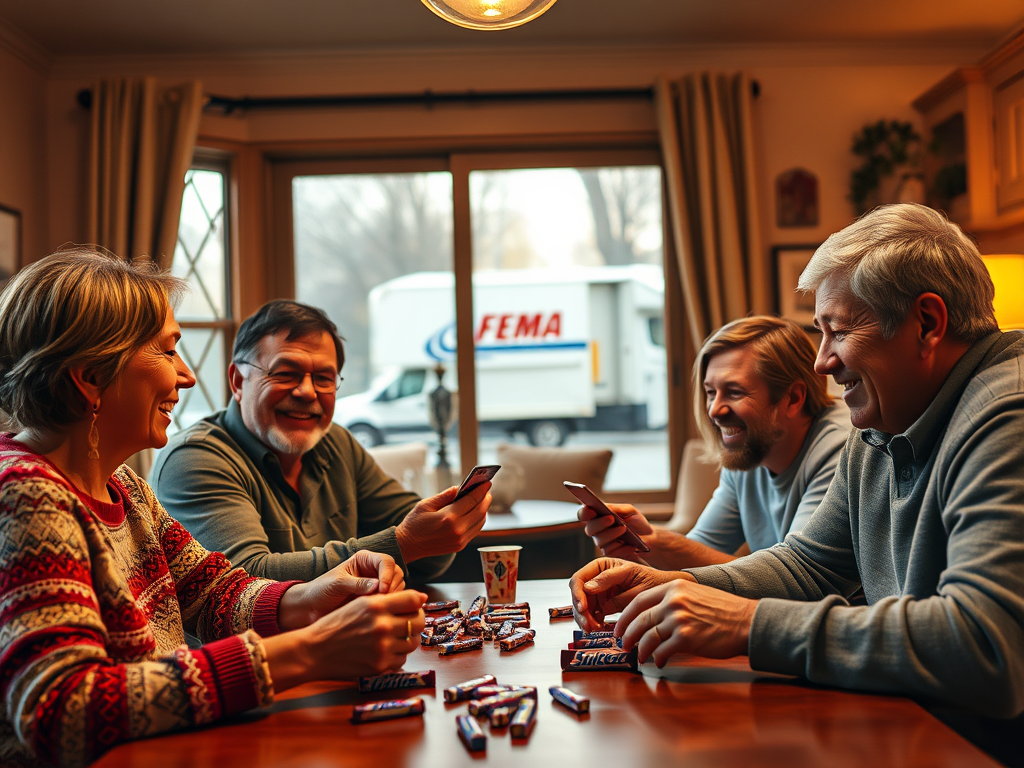
Must-Have List for American Citizens in Case of Martial Law
In times of uncertainty, preparation is critical. The following is a recommended list of essential items to stockpile for survival and comfort during a potential martial law scenario, ensuring readiness for disruptions in normal life.
1. Food Supplies
Stockpile non-perishable food items with long shelf lives that require minimal preparation:
- Snickers or other high-calorie snacks (energy-dense for sustenance).
- Canned goods (vegetables, beans, meats, and soups).
- Dry goods (rice, pasta, oats, powdered milk).
- Protein bars and peanut butter (high energy and easy storage).
- Freeze-dried meals (lightweight and long-lasting).
- Salt, sugar, and spices (for food preservation and taste).
2. Water and Hydration
Water is critical for survival. Plan for at least one gallon of water per person per day.
- Bottled water (store enough for at least 14 days).
- Water purification tablets or filters (e.g., LifeStraw or Berkey filters).
- Collapsible water containers (for collecting and storing additional water).
3. Medical Supplies
Ensure you can handle minor injuries and health issues.
- First aid kit (bandages, gauze, antiseptic, gloves).
- Painkillers (ibuprofen, acetaminophen, aspirin).
- Prescription medications (minimum 30-day supply).
- Multivitamins (to supplement a limited diet).
- Sanitary items (toilet paper, wet wipes, feminine hygiene products).
4. Communication and Information
Stay informed and connected.
- Battery-powered or hand-crank radio (with extra batteries).
- Cell phone with solar charger or power bank.
- Notebook and pens (for logging information).
5. Tools and Supplies
Basic tools can be essential for repairs or defense.
- Multi-tool or Swiss Army knife.
- Duct tape (multi-purpose use).
- Flashlights (with spare batteries or solar-powered).
- Matches, lighters, or a fire-starting kit.
- Rope or paracord.
6. Clothing and Shelter
Prepare for weather extremes and potential relocation.
- Warm clothing (thermal underwear, gloves, hats).
- Sturdy boots.
- Blankets or sleeping bags (rated for cold weather).
- Tents or tarps (for emergency shelter).
- Rain gear (ponchos or waterproof jackets).
7. Self-Defense and Personal Safety
Stay vigilant and protected.
- Pepper spray or personal alarm.
- Self-defense training or tools (ensure legality in your area).
8. Cash and Identification
Banking systems may be disrupted.
- Small denominations of cash.
- Important documents (ID, insurance papers, birth certificates).
9. Miscellaneous Items
Other essentials for daily life and emergencies.
- Books or playing cards (to pass time).
- Maps (local and regional for navigation).
- Comfort items (e.g., Snickers for morale, family keepsakes).
Key Tips
- Regularly rotate your supplies to avoid spoilage.
- Store items in a cool, dry, and secure location.
- Involve your family in the preparation process to ensure everyone knows the plan.
By maintaining these essentials, you can increase your resilience and protect your well-being during uncertain times. Stay prepared, stay informed, and stay safe.
 INTEL KARTEL