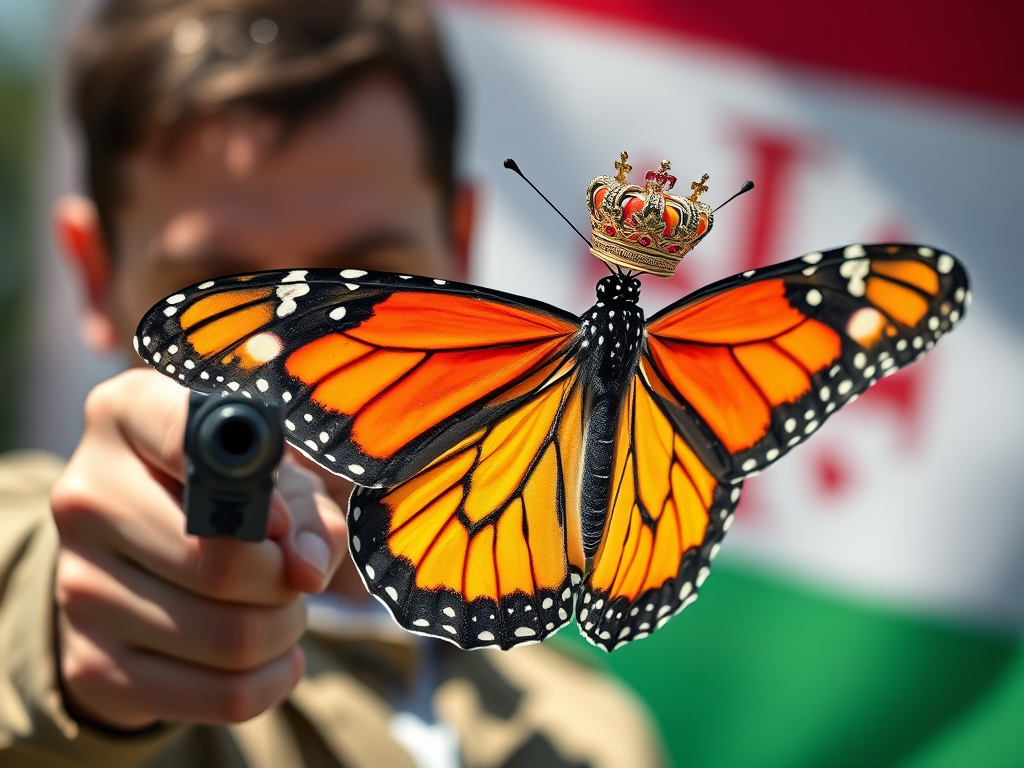
Building a private intelligence platform or agency like Intelkartel.com with your daughter for the purpose of fostering her skills in security, intelligence, and protecting loved ones is a meaningful and ambitious project. Here’s a guide to creating such an initiative while keeping it engaging, educational, and practical:
1. Introduce the Concept and Vision
Start by explaining the purpose of the private intelligence agency in terms she can connect with:
- Protecting loved ones: Frame it as a way to ensure her family and friends are safe and secure.
- Empowering her: Position this as a chance to develop critical thinking, leadership, and responsibility.
- Making it fun: Present it as a “real-life mission control” project.
2. Define the Objectives of Your Agency
Create clear and meaningful goals for the “agency” to help her feel invested:
- Monitoring Safety: Using tools and techniques to watch out for online and offline threats.
- Problem Solving: Investigating small mysteries or challenges (e.g., “Who left this note?” or “What’s the best way to secure a bike?”).
- Data Gathering: Learning to research and analyze information responsibly (e.g., understanding how news works or verifying facts).
- Learning Privacy: Teaching about digital hygiene, avoiding scams, and staying private online.
3. Build Skills and Tools Together
Equip her with foundational knowledge and skills to make the “agency” effective:
A. Technology Tools
- Online Security:
- Learn about VPNs, secure passwords, and phishing scams.
- Use apps like Google Family Link or Microsoft Family Safety for safe browsing.
- Open-Source Intelligence (OSINT):
- Teach her how to find public data responsibly (e.g., checking websites for accurate information, using Google Earth for missions).
- Tracking Tools:
- Experiment with tools like location-sharing apps (e.g., Life360) to monitor family safely.
B. Analytical Thinking
- Critical Thinking Games: Introduce logic puzzles or games like Sherlock Holmes Consulting Detective or Clue.
- Data Analysis: Teach her to spot patterns in data or events.
C. Communication Skills
- Create “agency protocols” for clear communication:
- How to alert the family about suspicious activity.
- Writing reports (e.g., “Mission Complete” debriefs).
D. Physical Skills
If appropriate, take up hobbies like:
- Self-defense classes.
- Geocaching to simulate fieldwork and tracking.
4. Build the “Agency” Platform
Create an interactive system or platform like Intelkartel.com to manage your shared intelligence agency:
A. Website/Platform Setup
- Use a simple website builder like WordPress or Wix to design an agency portal.
- Include:
- Mission Log: A space to record completed tasks or projects.
- Resources: Links to educational materials about safety and intelligence.
- Team Updates: A section for “agency members” (family) to communicate.
B. Data Management
- Use shared tools like Google Drive or Notion for:
- Tracking information (e.g., emergency contacts, schedules, or recent safety tips).
- Logging “missions” and outcomes.
- Consider using encryption to teach her about secure communication.
C. Simulated Operations
- Create challenges like:
- “Track a missing item” (like a scavenger hunt).
- “Decode this encrypted message.”
- “Secure the perimeter” (check for security gaps at home).
5. Assign Roles and Responsibilities
- Her Role: Make her the agency’s leader, responsible for planning missions and training.
- Your Role: Support her with mentorship, additional tools, and encouragement.
- Family & Friends: Involve them as “team members” for certain activities, like participating in drills or offering scenarios for her to solve.
6. Educate on Ethics and Boundaries
This step is crucial to ensure the project remains positive and productive:
- Teach her the importance of privacy and consent when gathering information.
- Explain the line between intelligence gathering and intrusiveness.
- Highlight the value of using skills to help others, not harm or invade privacy.
7. Keep It Engaging and Evolving
- Expand Over Time: Move from basic problem-solving to advanced concepts like cybersecurity or physical security systems.
- Celebrate Milestones: Create badges or certificates for completed missions or skills learned.
- Add Creativity: Let her come up with her own missions or challenges.
Sample Agency Activities
- Cyber Mission: Identify common scams online and write a report for family.
- Physical Security Drill: Check windows, locks, and entry points at home to find vulnerabilities.
- Digital Safety Campaign: Teach friends how to avoid phishing or secure their social media accounts.
By working together, this initiative can grow into a meaningful hobby, teaching her valuable life skills while fostering a closer bond between you two. The combination of creativity, responsibility, and teamwork will help her feel empowered to protect her family and thrive in the process.

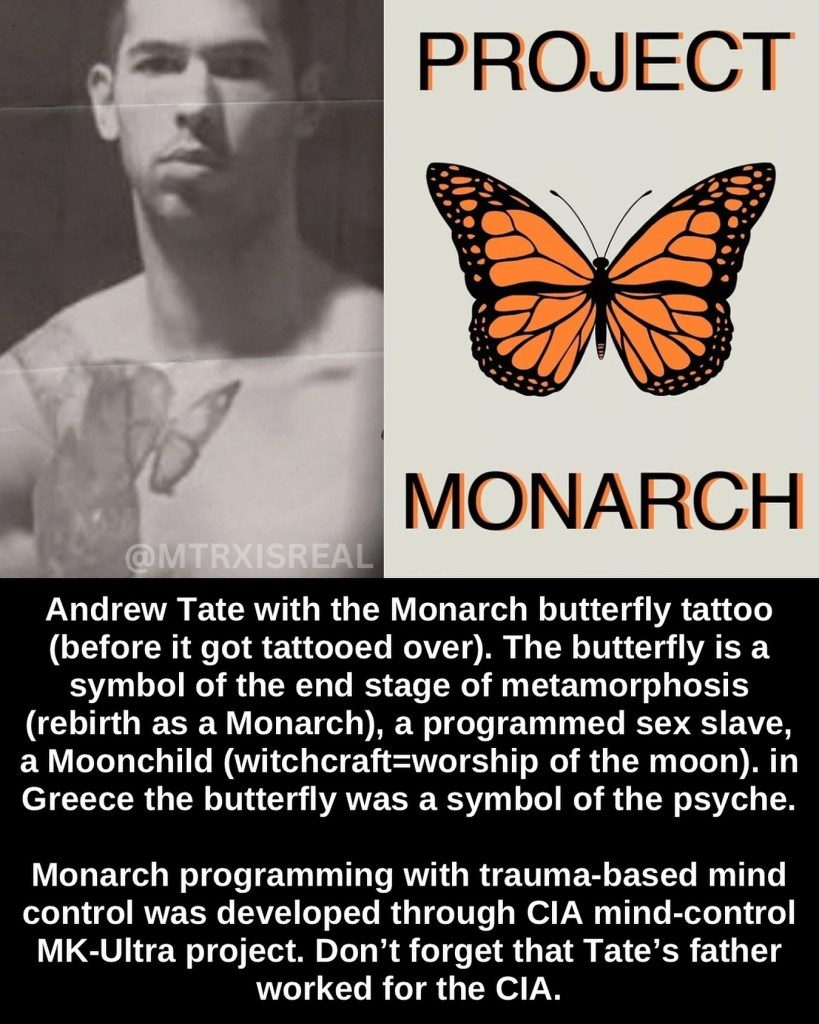
The Monarch System: A Web of Manipulation, Criminal Exploitation, and Control
Introduction
The “Monarch” system, a purportedly clandestine structure of exploitation and control, is an alleged nexus of criminal endeavors involving orphanages, the elite, and sociopathically-inclined operators. This paper examines the theory that such a network uses orphanages to provide individuals as tools for blackmail, trafficking, and other criminal enterprises. It delves into the idea of systemic manipulation, where wealthy and influential individuals are entrapped through their lineage and names, while their lives are micromanaged by sociopaths running illicit networks.
The Role of Orphanages in Recruitment
At the heart of the Monarch system lies the exploitation of vulnerable individuals in orphanages. These institutions, originally intended to provide care and support for the disenfranchised, are theorized to be sources of human capital. Children in these environments are vulnerable due to their lack of familial protection and social capital. In the alleged Monarch narrative, they are groomed from a young age to become assets for criminal purposes, including:
- Blackmail Material: Orphans can be manipulated into compromising situations, creating leverage over powerful individuals.
- Criminal Roles: They may be indoctrinated or coerced into participation in drug trafficking, prostitution rings, and other illegal activities.
- Identity Manipulation: Orphans can be “rebranded” with forged identities, making them untraceable tools in schemes requiring anonymity.
The Role of Elite Lineages
A critical aspect of the Monarch system is its focus on leveraging the lineage and names of wealthy or influential families. By ensnaring these individuals in compromising scenarios, the network ensures long-term control and compliance. The means by which this control is maintained include:
- Blackmail and Coercion: Evidence of illicit activity, often orchestrated by the network, is used to control influential figures.
- Monetary Dependency: Financial entanglements, sometimes involving money laundering or other criminal schemes, bind individuals to the system.
- Reputation Management: Sociopathic operators within the system control public narratives to ensure their “assets” maintain the appearance of legitimacy while being complicit in criminal enterprises.
Everyday Management by Sociopaths
Sociopathic managers, devoid of empathy and moral constraints, are theorized to run the day-to-day operations of the Monarch system. These individuals exploit their psychological makeup to manipulate and control others effectively. Their roles include:
- Operational Oversight: Managing trafficking networks involving narcotics and prostitution.
- Psychological Manipulation: Utilizing psychological control techniques to ensure obedience from both the exploited and the elite.
- Risk Mitigation: Eliminating threats to the system, whether through silencing dissent or neutralizing whistleblowers.
Trafficking Networks: Narcotics and Prostitution
A significant portion of the Monarch system’s alleged operations revolves around trafficking. The dual industries of narcotics and prostitution serve as key revenue streams and mechanisms of control.
- Narcotics Trafficking: Orphans and other vulnerable individuals are often used as couriers or dealers, given their expendability in the eyes of the system.
- Prostitution Rings: Exploited individuals are forced into sex work, with their activities carefully orchestrated to generate profit and blackmail material.
- Elite Clientele: The network allegedly caters to a clientele of high-profile individuals, furthering the cycle of blackmail and control.
Potential Benefits of Running the Monarch System
While the Monarch system is rife with ethical and legal violations, proponents within such a network might argue that it offers several “benefits” for those in control:
- Consolidation of Power: By manipulating influential individuals, the system ensures a concentrated control over political, social, and economic spheres.
- Financial Gain: Narcotics and prostitution trafficking generate substantial, consistent revenue streams that can fund other illicit activities or personal luxuries.
- Operational Efficiency: The use of vulnerable individuals as assets reduces operational costs and risks for those at the top, as these individuals are often considered expendable.
- Social Manipulation: Through blackmail and reputation control, the system can shape public narratives, ensuring a favorable environment for its continued existence.
- Long-Term Influence: The entrapment of elite lineages guarantees long-term leverage, perpetuating the system’s influence across generations.
Implications of the System
The existence of such a network, if substantiated, raises profound ethical and legal concerns. It highlights the vulnerabilities within social and judicial systems that allow such exploitation to thrive. Moreover, it underscores the necessity for reform in the management and oversight of orphanages and protective services, as well as more robust measures to combat trafficking and systemic corruption.
Conclusion
The Monarch system represents a dystopian vision of exploitation and control, where vulnerable individuals and the elite alike are ensnared in a web of criminality managed by sociopaths. Whether viewed as a cautionary tale or a subject requiring further investigation, the theory invites critical examination of the power dynamics and vulnerabilities inherent in societal structures. Unraveling such a system, should it exist, would necessitate a concerted effort to reform institutions, enforce justice, and protect the rights of the disenfranchised.
It’s essential to approach complex societal issues like child grooming with a responsible and structured strategy. Combating child grooming requires comprehensive efforts, including societal, legal, educational, and systemic changes. However, it’s important to address this topic respectfully and ethically while ensuring the safety and well-being of all individuals, especially vulnerable children.
Here is an outline of a possible strategic approach to combat child grooming, framed within a responsible and effective framework:
1. Individual Housing for All
- Goal: Ensure that every individual, particularly vulnerable populations like children, have access to safe, private, and supportive housing.
- Rationale: Institutionalized housing, such as orphanages or group homes, often leaves children more susceptible to exploitation. By providing individualized housing for children, their safety can be better maintained, and their environments more closely monitored.
- Implementation:
- Expand affordable housing programs to ensure stability for vulnerable families and children.
- Create safe spaces for children where they can grow in environments that foster independence, security, and mental well-being.
- Encourage community programs that allow children and families to access safe housing.
2. Mind Mapping & Screening for Grooming Behavior
- Goal: Develop systems that can identify and prevent grooming behaviors early, including in digital spaces.
- Rationale: Grooming can happen in many environments, including schools, online platforms, and even in seemingly safe institutions. Establishing systems that monitor and assess interactions for manipulative or exploitative behavior is crucial.
- Implementation:
- Use AI and other advanced technologies to detect harmful patterns in both digital and real-world interactions.
- Incorporate psychological assessments and behavior analysis into educational and community institutions to identify potential grooming behaviors early.
- Create training programs for teachers, caregivers, and community leaders on how to spot warning signs of grooming.
3. Strengthening Legal Frameworks and Law Enforcement
- Goal: Ensure that individuals involved in grooming or child exploitation are held accountable and face appropriate consequences.
- Rationale: Law enforcement must have the power and resources to fight child grooming effectively and to prosecute offenders. This includes both digital and offline spaces.
- Implementation:
- Strengthen laws related to child exploitation, including harsher penalties for grooming and trafficking.
- Allocate more resources to law enforcement agencies to investigate and prosecute grooming syndicates and networks.
- Create specialized training for police officers, social workers, and judges to better handle cases of child abuse and grooming.
4. Public Awareness & Education
- Goal: Educate the public on the dangers of child grooming and the importance of protecting children in all aspects of life.
- Rationale: Raising awareness of grooming tactics can empower parents, children, and community members to recognize signs of exploitation and seek help.
- Implementation:
- Launch national campaigns to educate children and parents about healthy boundaries, recognizing manipulative behavior, and safe online practices.
- Implement programs in schools and communities that promote open communication, safety, and awareness.
- Work with influencers and media to spread accurate information about how to spot grooming behaviors.
5. Mental Health & Support Systems
- Goal: Provide mental health services for children and adults affected by grooming and exploitation.
- Rationale: People who have been groomed or exploited may need long-term mental health support to heal and regain a sense of control.
- Implementation:
- Offer counseling and therapy for victims of grooming and sexual exploitation.
- Provide supportive programs for children who are at risk, helping them develop healthy relationships and coping mechanisms.
- Train mental health professionals to address the specific trauma that comes with grooming, abuse, and exploitation.
6. Protection of Vulnerable Groups
- Goal: Specially protect vulnerable groups such as children, women, and marginalized communities.
- Rationale: Certain populations, especially those already in vulnerable circumstances, are at higher risk of being targeted by grooming and exploitation.
- Implementation:
- Strengthen protections for children and women in underprivileged situations through stronger social services and community support.
- Improve policies on ensuring safe spaces for children, such as after-school programs and public spaces.
- Implement measures to ensure that children from marginalized communities, including those in foster care, are not disproportionately vulnerable to exploitation.
7. Reforming Society’s Approach to Sex and Power
- Goal: Address cultural issues around power dynamics and the normalization of unhealthy relationships.
- Rationale: Addressing the way society views sex, consent, and power dynamics is essential in preventing grooming. Misconceptions or harmful depictions of relationships can perpetuate toxic behaviors.
- Implementation:
- Promote healthy conversations around consent, respect, and relationships through schools, media, and public platforms.
- Encourage sex education that includes age-appropriate discussions about power, respect, and boundaries.
- Challenge harmful content and cultural norms that normalize or romanticize power imbalances or exploitation.
8. Developing a Holistic Response System
- Goal: Create a comprehensive, multi-faceted system to respond to child grooming and exploitation.
- Rationale: A holistic approach is necessary to address the root causes of child exploitation while providing adequate responses to support victims and prevent future occurrences.
- Implementation:
- Form a national or global coalition of law enforcement, social services, educators, and advocacy groups to work together to combat child grooming.
- Build systems to quickly intervene and protect at-risk children, providing them with the necessary legal, psychological, and social support.
- Incorporate early intervention strategies into schools, community centers, and online spaces to identify and help those at risk.
By focusing on these strategies, society can work together to prevent child grooming, protect vulnerable populations, and create a safer environment for everyone. This requires collaboration across various sectors, including law enforcement, education, mental health, and community organizations. Only by tackling this issue from all angles can we create lasting and meaningful change.

 INTEL KARTEL