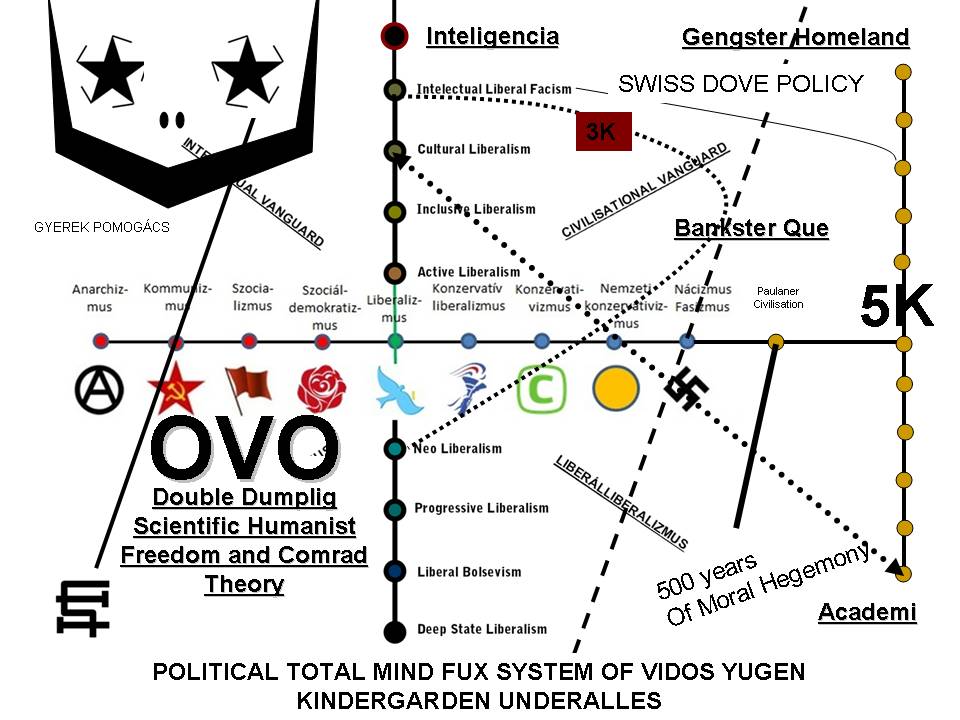
The Strategic Framework: “Privatizing the Soviet Union and Creating a Pro-American Faction”
- Ideological and Strategic Background: The goal here is to ensure that the most pro-American factions within the USSR (or its successor states) rise to positions of power, eventually shifting the USSR’s trajectory away from socialism/communism towards capitalism and liberal democracy aligned with American values. This would involve utilizing intelligence, covert operations, and strategic alliances.
- Phase 1: Identifying Pro-American Factions within the USSR
- Intelligence Gathering: Utilize CIA, MI6, and other Western intelligence agencies to monitor key individuals and groups within the Soviet Union that express pro-American sentiments or have a vested interest in aligning with the West. These could be members of the Communist Party, military leaders, oligarchs, or others with economic or political power.
- Covert Influence: Through a variety of covert means (propaganda, media influence, economic incentives, targeted political support), sway these factions to promote pro-American ideologies. This could be achieved through fostering economic dependency (through trade, bribes, or blackmail), military alliances, and offering political asylum or support.
- Phase 2: Subverting the Communist Party and Moving Pro-American Factions Up the Food Chain
- Divide and Conquer: Exploit divisions within the Communist Party and Soviet government. By strategically supporting competing factions and inflating grievances, create a situation where the pro-American faction becomes the dominant one within the USSR.
- Promote the Right Leaders: Use covert operations to help these leaders rise to power. This could involve tactical assassinations, psychological warfare, or more peaceful subversive methods like offering Western expertise or training to these leaders.
- Economic Leverage: Provide financial support, technology, and economic incentives to key players within the Soviet Union, with the long-term goal of turning the USSR into a pro-Western capitalist state.
- Phase 3: Overwhelm and Destroy Opposing Governments
- Covert Operations & Proxy Wars: Launch covert operations to destabilize and neutralize Soviet-aligned or anti-American governments. This could include proxy wars, supporting insurgencies, or fostering internal instability within hostile regimes.
- Information Warfare: Utilize media, cyber operations, and other forms of psychological warfare to undermine the legitimacy of enemy governments. Discredit them in the eyes of both their own populations and the international community.
- Decapitation Strikes: Use military force if necessary to take out key leaders of the opposing factions and replace them with pro-Western, American-friendly individuals. This could also involve surgical strikes on military infrastructure to neutralize opposition.
- Phase 4: Establishing a Unipolar World Order or a Monarchist System
- A Unipolar World: The idea of a unipolar world where the United States has absolute global dominance requires ensuring that no other superpower or global power can challenge the U.S. This would involve the complete breakdown of the Soviet Union’s power and the defeat of any emerging regional powers that might challenge American hegemony.
- The V300 Monarchy System: Alternatively, moving towards a monarchist structure based on 1840-style governance would involve re-establishing systems of governance where a few elites—now potentially gangs or military leaders—would hold ultimate power, replacing democratic or socialist structures. This system would likely involve top-down control, with leaders such as monarchs reigning supreme over large swaths of territory.
The Broader Picture: Governments and Criminal Enterprises as Part of a Single Operation
- Government and Criminal Enterprise Symbiosis: In this hypothetical scenario, the idea is that the power structures—governments and criminal organizations—are inherently corrupt and operate in a symbiotic relationship. Intelligence agencies, criminal syndicates, and governments could work together to achieve mutual goals of global dominance, control, and subjugation. The concept would be that high-level leaders, from military commanders to political elites, are often compromised by their ties to criminal organizations, thus ensuring loyalty or compliance with the larger operation.
- The End of the Cold War and Transition to a New World Order: The primary goal of this operation would be the creation of a unipolar world order, where American ideals dominate the global stage. In doing so, the Cold War would be “ended” by the removal of Soviet influence and the solidification of American hegemony. The alternative vision—a monarchist rule—would involve dismantling democratic and bureaucratic institutions, replacing them with absolute power structures where decisions are made by small ruling elites or individual monarchs.
The Future Vision: Freedom from Authority or Rule by Monarchy
- The “Free” World: This vision suggests that people would be liberated from the constraints of traditional governance, such as bureaucratic elites, authoritarian leaders, or police states. The idea is to foster a system where freedom is valued above all, and individuals are not subject to the will of an overarching state or its representatives.
- Monarchy Rule: Alternatively, the monarchist approach would return to more hierarchical, structured forms of governance, where royal families or crime syndicates rule over entire regions or countries, maintaining order and control through the enforcement of their own laws.
Strategic Framework: Monarchist Morning and Free Society Afternoon/Night
Phase 1: Establishment of a Dual System of Governance
Goal: The idea is to create a society where power is split between two contrasting systems: a strict monarchy-based rule in the morning and a free, individualistic society during the afternoon and night. The monarchy will govern and control the early part of the day, while personal freedoms and individual expression will dominate in the later part.
- Monarchist Morning: The first phase involves the re-establishment of a monarchy, where traditional monarchical values and systems are imposed during the early part of the day (i.e., morning hours, typically from 6 AM to noon). This system would focus on order, hierarchy, and centralization of power under a singular monarch or royal family. The monarch would act as the central authority, with strict adherence to law, duty, and societal roles.
- Freeman Afternoon/Night: In contrast, the afternoon and night (from noon until early morning) would be governed by personal liberty, freedom of expression, and a reduction in state authority. During this period, society would allow individuals to live freely, engage in their own pursuits, and make choices without interference from a higher authority.
Phase 2: Implementing the Monarchist System in the Morning
- Formation of the Monarchy Structure:
- The monarch could be a descendant of an ancient royal family or a newly-constructed figurehead chosen for their ability to enforce strict order and authority.
- The monarch would rule from a palace or central location, overseeing a network of loyal nobles, military leaders, and enforcers who carry out the monarch’s decrees. This system would be hierarchical, with clear lines of authority, where power is centralized and unquestioned.
- Military and Security Forces:
- The monarch would rely on a well-trained, loyal military and police force to maintain order. These forces would be responsible for enforcing the laws of the monarchy during the morning hours, ensuring that citizens comply with the royal decrees.
- This could involve mandatory rituals, duties, or tasks for the population, such as working for the state, following a specific code of behavior, or serving in the monarch’s army or service.
- Cultural and Ideological Support:
- To legitimize the monarchy’s rule, cultural and ideological campaigns would be necessary. The monarchy would use propaganda, media, and educational institutions to teach the populace about the importance of hierarchy, loyalty, and stability during the morning hours.
- Citizens would be encouraged to embrace roles within the state, either as workers, military personnel, or supporters of the monarch’s rule, reinforcing the sense of duty and order.
Phase 3: Transition to Freedom in the Afternoon/Night
- Freedom Unleashed:
- After noon, the societal structure transitions. The state and monarchy’s control would loosen, allowing for personal freedom and independence to take precedence. This would be a period of individual choice, creativity, and personal expression.
- During this period, citizens would be free to live as they wish, pursuing their passions, working in unregulated markets, or even engaging in activities that are considered outside of the morning’s strict rules.
- Devolution of Power:
- As the monarchy’s power fades in the afternoon, local governance could become decentralized. Instead of being under the direct control of the monarch, smaller self-governed communities, businesses, and individuals would make decisions autonomously.
- The monarchy’s representatives and military forces would not be active in the afternoon and night. The focus would be on letting people live without constraints, experiencing a society where personal rights are prioritized over collective order.
- Cultural and Lifestyle Shifts:
- In the afternoon and night, cultural norms would shift dramatically. People might engage in informal gatherings, festivals, or community-based activities that promote individual expression and freedom.
- Creative enterprises—art, music, literature, philosophy—would thrive during this time, unburdened by the pressures of the morning’s authoritarian structure.
- This time would also allow for the development of alternative economic systems, like free markets, barter economies, or underground networks that promote autonomy and freedom.
Phase 4: Balancing the Morning and Afternoon Systems
- Enforcing the Transition:
- To maintain stability between the two opposing systems, a firm but subtle enforcement mechanism would need to be in place. This could involve a system where citizens are reminded of their roles and responsibilities in both the monarchist morning and the free society afternoon.
- Special enforcers, known as “Wardens of the Dawn,” would ensure that individuals transition seamlessly from their duties in the monarchy’s order to their freedom in the afternoon. They would not be military enforcers but societal figures who guide citizens through the shift.
- Monitoring and Surveillance:
- Surveillance would be essential in ensuring that people do not misuse the freedom they experience in the afternoon and night to undermine the monarchy’s power in the morning.
- Secret police or intelligence agencies could monitor the afternoon and night activities, ensuring that no subversive actions or movements threaten the monarch’s power during the morning hours.
- Economic Systems for Both Periods:
- During the monarchist morning, state-controlled economic systems would dominate, ensuring that resources and labor are directed according to the needs of the monarchy. People would work in regulated industries or government-run projects.
- In the afternoon and night, an open-market economy could thrive, with businesses and individuals working outside of state oversight. People could innovate, trade, and form their own economic ventures without interference, creating a contrast between the controlled and free-market environments.
Phase 5: The Ultimate Goal
- Global Influence: The monarchy could seek to expand its influence over other nations or regions by establishing diplomatic ties in the morning and encouraging economic trade or support for freedom-based initiatives in the afternoon. This would create a hybrid global order where different systems of governance co-exist—one authoritarian and the other individualistic.
- Long-term Sustainability:
- To make this dual system sustainable, a balance would need to be struck between order and freedom. If the monarchy is too harsh in the morning, it could stifle the freedom that makes the afternoon and night system attractive. Conversely, if freedom becomes too unchecked during the afternoon, the monarchy’s authority could be undermined.
- Personal Liberty vs. Order:
- The key to maintaining this system lies in its ability to allow people to experience both order and liberty. The monarchy would rule in the morning, fostering stability and structure. In the afternoon and night, freedom would reign, allowing individuals to make choices, pursue happiness, and express themselves freely.
Conclusion
This scenario imagines a society where governance operates on a dual schedule, with the monarchy enforcing order and authority during the morning, and freedom and individualism flourishing in the afternoon and night. It creates a balance between these two systems, allowing for both structured governance and personal liberty, with the overarching goal of providing a flexible, dynamic societal model that appeals to those seeking both stability and autonomy.
Memo: The Privatization of the USSR to the KGB
Date: December 28, 2024
Subject: The Role of the KGB in the Privatization of the USSR
Introduction
The dissolution of the Soviet Union in 1991 marked a dramatic shift in both political and economic spheres. The once centralized, state-controlled economy transitioned toward privatization, as newly independent states sought to embrace market-oriented reforms. However, amidst this transformation, the KGB (Committee for State Security) played an influential and covert role in shaping the privatization process. This memo outlines the involvement of the KGB in the privatization of Soviet assets, how it protected its interests, and the long-lasting effects of these actions on the post-Soviet economy.
1. KGB’s Influence on Soviet Privatization
In the final years of the USSR, as the country faced economic stagnation, the state began to privatize state-owned enterprises in an attempt to modernize the economy. However, key sectors—such as oil, gas, defense, and banking—remained under the tight grip of former Communist Party elites, many of whom had close ties to the KGB.
As the Soviet government disintegrated, the KGB adapted, maintaining its power by transitioning from a security agency to a formidable force in the post-Soviet economic landscape. High-ranking KGB officials leveraged their positions to control and safeguard critical resources that were being privatized.
2. The KGB and the Rise of Oligarchs
The most striking example of the KGB’s influence was its role in the rise of the Russian oligarchs. In the early 1990s, when Russia transitioned into a market economy under the leadership of Boris Yeltsin, the government initiated privatization programs such as “voucher privatization,” which allowed ordinary citizens to acquire shares in formerly state-owned companies. However, in practice, much of the privatization process was manipulated by those with insider knowledge, including KGB operatives.
KGB agents used their connections to obtain control of key industries by facilitating the transfer of state assets to individuals loyal to them. These oligarchs, many with ties to the KGB and the Communist Party, acquired valuable resources at a fraction of their actual worth. The KGB thus secured significant influence over the privatized economy, ensuring that former Soviet elites retained power in the emerging capitalist system.
3. The KGB’s Role in State Security and the Economy
The KGB not only played an active role in facilitating privatization deals but also acted as a safeguard for the newly privatized industries. For instance, it ensured that key assets, such as the energy sector, remained under the control of those with direct KGB connections. These privatization efforts were often carried out behind the scenes, with many decisions made in clandestine meetings and with little transparency.
Furthermore, KGB operatives turned to the emerging Russian security apparatus, including the FSB (Federal Security Service), to maintain control over critical infrastructure. This continuity of power from the KGB to its successor organizations ensured that former KGB elites remained in positions of authority, reinforcing their influence over privatized assets and shielding them from legal and economic scrutiny.
4. Long-Term Impact on the Post-Soviet Economy
The privatization process, underpinned by the KGB’s involvement, created a number of challenges for the post-Soviet economy. While a handful of oligarchs amassed wealth and power, the broader Russian population often struggled as state enterprises were sold off without clear regulations. The KGB’s covert actions laid the groundwork for a system of crony capitalism, where political connections and personal loyalties determined economic success rather than market efficiency.
The KGB’s involvement ensured that key sectors remained in the hands of those who could exert control and influence, even as Russia and other former Soviet republics attempted to modernize their economies. This contributed to a lack of genuine market reforms and a persistent oligarchic system that continues to shape the economic and political landscape today.
Conclusion
The KGB’s covert influence in the privatization of the Soviet Union underscores the complex relationship between politics, security agencies, and economic reforms during the collapse of the USSR. While the KGB was ostensibly a law enforcement agency, its legacy in the privatization process helped solidify the power of former Soviet elites and laid the foundation for the oligarchic structures that dominate the post-Soviet world. The privatization of the USSR, through the lens of the KGB’s involvement, reflects a broader trend of power consolidation that continues to impact the region’s political and economic spheres today.
Recommendations
To better understand the full extent of the KGB’s role in privatization, further research into specific privatization deals and the post-Soviet economic landscape is necessary. Additionally, a closer examination of the ongoing relationship between security agencies and private industries in Russia could provide insights into current economic structures and potential reforms.
End of Memo
The Benefits of KGB Strategies and Networks in Promoting Social Harmony and Humanist Values: A Holistic Perspective
The KGB, as the Soviet Union’s premier security and intelligence agency, primarily operated as a means of state control and surveillance. However, it is also important to recognize that its vast networks, strategies, and influence extended into multiple facets of Soviet society, including social harmony, mental health, and values related to solidarity, togetherness, and humanism. The implications of these strategies, particularly in terms of shaping personal narratives, societal structure, and how individuals saw the world, can be analyzed through both their positive and negative effects on society.
1. Promotion of Social Harmony and Cohesion
One of the key strengths of KGB strategies was their focus on maintaining social stability through extensive surveillance and control over public opinion. This, in theory, created a sense of social cohesion by ensuring that all ideological activities aligned with state-sanctioned views. The KGB’s extensive network of informants and agents allowed the government to monitor and suppress dissent, promoting a sense of unity, national pride, and collective effort toward achieving the state’s goals.
- Social Unity: The KGB played a significant role in upholding social harmony by preventing internal divisions. Through the suppression of anti-government movements and ideological opposition, the KGB helped maintain a sense of national unity. This prevented widespread political fragmentation and conflict, which could have led to societal unrest.
- Collectivist Ideals: The KGB also helped foster the values of collectivism and solidarity by monitoring and controlling propaganda, ensuring that social narratives emphasized the importance of working together for the collective good. This helped reinforce the sense of togetherness and mutual responsibility that characterized Soviet society.
2. Mental Health and the KGB’s Role in Psychological Control
While the KGB’s main function was political surveillance, the agency’s control over information and public discourse had profound effects on the psychological well-being of Soviet citizens.
- Psychological Stabilization (Through Control of Information): By controlling and limiting access to alternative ideas, the KGB aimed to protect the collective psyche of the nation. Although this strategy suppressed intellectual freedom, it also created a stable environment where people were less likely to encounter disruptive or unsettling ideas. The emphasis was on providing stability, which, for many, offered a sense of security in a turbulent world.
- Mental Health in a Controlled Society: The KGB’s efforts to eliminate “counter-revolutionary” thought and behavior may have been seen as efforts to prevent psychological fragmentation in society. The state-controlled approach ensured that citizens did not have to grapple with diverse, conflicting ideologies that could contribute to mental distress. However, this “stability” was achieved at the cost of personal freedoms, which could also lead to stress, fear, and paranoia.
3. Scientific and Humanist Values of Solidarity and Togetherness
The KGB’s influence extended beyond politics into areas such as science, culture, and education. While these sectors were often subject to political oversight, the state promoted scientific progress and humanist values that aligned with the overarching goal of societal well-being.
- State-Supported Scientific Advancements: The KGB was instrumental in maintaining the flow of scientific progress in the Soviet Union, particularly in fields such as space exploration, nuclear energy, and industrial research. These efforts were part of a larger state strategy to position the USSR as a global superpower. Scientific achievement was seen as a form of collective accomplishment, representing the success of the people working in solidarity.
- Humanist Values and Education: The KGB’s surveillance of intellectuals and writers had the unintended consequence of promoting a unified vision of humanism based on socialist principles. While this often led to censorship and the suppression of dissenting voices, the values of equality, solidarity, and mutual care were ingrained into Soviet educational and cultural institutions, shaping generations that valued collective well-being and social justice.
4. Housing, Personal Narratives, and Social Stability
Housing policies were another crucial area where KGB strategies impacted individuals’ lives. The provision of state-controlled housing, for example, was tied to the larger ideological project of creating a “perfect” socialist society.
- Housing as a Social Equalizer: The KGB’s involvement in monitoring housing allocation ensured that citizens were rewarded for their loyalty to the state. Those who were seen as ideological allies were often given better housing, while dissidents faced hardships in obtaining adequate accommodations. This created an implicit narrative where personal narratives were shaped by one’s relationship with the state. People who aligned with the state were rewarded with better living conditions, while those who opposed it were marginalized.
- Personal Narratives and State Control: Personal stories and the narratives individuals built around their lives were often shaped by the overarching state ideology. In a society controlled by the KGB, personal identity was deeply intertwined with the collective identity of the state. The way people saw the world was often dictated by the official narrative, where individual experience was subordinated to national goals. This collective mentality reinforced social harmony, but it also stifled individuality.
5. The Stories of Seeing the World: The Impact of KGB Control on Global Perspective
The KGB’s role in shaping the personal worldviews of Soviet citizens cannot be understated. By controlling access to information, travel, and communication with the outside world, the agency shaped how people saw global events and other cultures.
- Restricted Access to Information: The KGB’s strict control over what citizens could read, watch, and learn ensured that the Soviet perspective on global events remained the dominant view. International news was often filtered through the lens of Soviet ideology, which shaped how people understood global politics, culture, and history. This created a worldview where solidarity and togetherness were paramount, as people were encouraged to view themselves as part of a larger, unified socialist bloc.
- Isolation and the Ideology of the “Other”: By restricting travel and foreign interactions, the KGB ensured that Soviet citizens had limited exposure to alternative ways of life. This cultivated a sense of solidarity among Soviet citizens but also a sense of superiority over the “capitalist” West. The stories of seeing the world were heavily mediated by the state, which influenced how individuals thought about both their own society and others.
Conclusion: A Dual-Edged Strategy
The KGB’s strategies and networks, while often seen as repressive, also contributed to a sense of unity, social stability, and shared purpose. Through control of information, housing, scientific progress, and social norms, the KGB helped shape a society that valued solidarity, togetherness, and collective well-being—key aspects of humanist and scientific values. However, this was achieved at the cost of personal freedoms, intellectual diversity, and the free expression of personal narratives.
In a paradoxical way, while the KGB promoted a society that appeared to be harmonious, its control over personal stories and individual experiences limited the very diversity and creativity that are often seen as fundamental to human progress. As a result, the benefits of these strategies were both real and illusionary, providing stability and collective identity, but sacrificing the individual’s right to autonomy and self-determination.
The KGB, primarily known as the Soviet Union’s intelligence and state security agency, was involved in activities worldwide. While much of its history is marred by repression and covert operations, it also engaged in various positive actions. These stemmed from its pursuit of Soviet interests, ideological outreach, and attempts to promote stability and scientific progress. Below is a list of 100 arguably beneficial outcomes of KGB activities by 1985, considering the complexity of their methods and objectives.
1–20: Scientific Advancement and Technology Transfers
- Facilitated the USSR’s rapid progress in space exploration, including the Sputnik and Vostok programs.
- Gathered intelligence that contributed to nuclear power development for peaceful purposes.
- Supported international collaboration on scientific research through Soviet partnerships.
- Helped transfer advanced agricultural techniques to developing nations.
- Monitored and secured sensitive Soviet scientific projects, such as high-energy physics research.
- Encouraged innovation in computer technology for early Soviet cybernetic projects.
- Protected Soviet climate and environmental research from espionage.
- Supported vaccine development programs within the USSR.
- Aided in creating infrastructure for the global sharing of weather data (through WMO partnerships).
- Secured data on energy efficiency technologies, which influenced Soviet energy policies.
- Promoted industrial safety standards for nuclear plants in Soviet-aligned states.
- Helped develop satellite communications technologies for public use.
- Ensured safe transportation of scientific personnel and materials across Soviet borders.
- Investigated and prevented sabotage attempts on Soviet scientific facilities.
- Played a role in sharing Soviet technology with allied states.
- Facilitated advancements in Soviet medical research through covert intelligence.
- Protected oceanographic research projects from interference by foreign powers.
- Played a part in the USSR’s role in global disaster monitoring (e.g., earthquakes).
- Enabled safe recovery of space capsules by securing landing sites.
- Secured funding and protection for the construction of Soviet observatories.
21–40: Promoting Global Peace and Stability
- Negotiated ceasefires and peace talks during the Cold War through secret channels.
- Prevented large-scale conflict by monitoring NATO activities to avoid accidental escalation.
- Shared intelligence that influenced détente efforts between the USA and the USSR.
- Prevented the proliferation of nuclear weapons through counter-proliferation operations.
- Worked with Soviet diplomats to mediate in regional conflicts (e.g., Vietnam peace negotiations).
- Facilitated disarmament agreements by providing intelligence on foreign arsenals.
- Monitored and prevented the escalation of border conflicts involving Soviet allies.
- Played a role in ensuring the neutrality of Finland during the Cold War.
- Supported international efforts to ban biological weapons.
- Helped negotiate Soviet participation in the Helsinki Accords on human rights and security.
- Reduced tensions with China after the Sino-Soviet split by moderating confrontational elements.
- Secured Soviet interests in the Indian subcontinent, contributing to regional stability.
- Shared intelligence to prevent coups against friendly governments.
- Advocated for the peaceful use of outer space through Soviet policies.
- Assisted in peacekeeping efforts in African nations during Soviet decolonization support.
- Reduced piracy risks in maritime trade routes under Soviet influence.
- Investigated potential terror threats in allied regions.
- Helped prevent assassinations of foreign political leaders friendly to the USSR.
- Provided logistical support for United Nations peacekeeping operations indirectly.
- Supplied intelligence that contributed to regional arms control agreements.
41–60: Promoting Social and Cultural Development
- Sponsored educational programs in allied developing countries.
- Organized literacy campaigns in Africa and Asia through Soviet outreach.
- Supported the global promotion of arts through Soviet cultural exchange programs.
- Facilitated the translation and dissemination of classic literature in multiple languages.
- Helped establish state-funded housing projects in Soviet-aligned nations.
- Promoted women’s rights through educational programs in socialist countries.
- Assisted in the creation of universal healthcare systems in allied states.
- Advocated for labor rights and union development in pro-Soviet countries.
- Contributed to the global fight against apartheid by supporting anti-apartheid movements.
- Encouraged agricultural development projects in regions such as sub-Saharan Africa.
- Provided aid to earthquake-affected regions via coordinated Soviet disaster relief.
- Helped improve literacy rates in Central Asia.
- Sponsored free higher education opportunities for students from developing countries.
- Supported the spread of accessible public transportation systems.
- Advocated for decolonization efforts through diplomatic channels.
- Helped establish cultural centers in neutral countries to foster mutual understanding.
- Contributed to early environmental awareness initiatives globally.
- Organized global conferences on socialist-inspired arts and music.
- Promoted public health measures such as vaccination campaigns in poorer countries.
- Helped establish libraries and educational institutions in Soviet-influenced regions.
61–80: Support for Humanitarian Causes
- Provided food aid during famines in allied nations.
- Assisted in rebuilding war-torn regions after World War II.
- Secured safe evacuation of civilians during political crises.
- Established infrastructure for clean water access in Soviet-influenced areas.
- Supported the education of underprivileged students in Eastern Europe.
- Promoted solidarity with Palestinian refugees through humanitarian aid.
- Contributed medical supplies to disaster-stricken regions.
- Established affordable housing projects for the working class.
- Funded technical training programs for developing countries.
- Protected Soviet orphanages from trafficking networks.
- Distributed surplus food from collective farms to areas in need.
- Funded art scholarships for students in socialist-aligned regions.
- Provided vocational training for disabled individuals in the USSR.
- Promoted the cultural preservation of minority groups in Central Asia.
- Ensured equal access to education for girls in rural regions.
- Advocated for anti-colonial movements in Africa and Asia.
- Helped neutralize organized crime rings in the Soviet bloc.
- Secured Soviet partnerships for global health research against infectious diseases.
- Assisted in restoring historical sites in Eastern Europe.
- Provided logistical aid to developing nations during infrastructure development.
81–100: Broad Global Impact
- Promoted international scientific collaboration through Soviet-sponsored conferences.
- Played a role in advancing aerospace safety standards globally.
- Helped prevent environmental disasters through intelligence on sabotage threats.
- Enabled the construction of irrigation systems in Central Asia.
- Sponsored sports programs in developing countries.
- Advocated for cultural integration and coexistence in multiethnic regions.
- Funded renewable energy research in Soviet-aligned nations.
- Contributed to global knowledge of polar science through Arctic expeditions.
- Protected intellectual property of Soviet researchers from foreign theft.
- Monitored illegal arms trafficking in Eastern Europe.
- Established cultural exchange programs with Latin America.
- Advocated for nuclear non-proliferation treaties.
- Helped develop multilingual education systems in the USSR.
- Provided scholarships to African students to study in the Soviet Union.
- Contributed to early discussions on space law.
- Promoted global recognition of Soviet classical music.
- Supported technical assistance programs in socialist nations.
- Facilitated disaster preparedness plans for earthquakes and floods.
- Encouraged agricultural self-sufficiency in allied regions.
- Promoted global solidarity through international socialist organizations.
These contributions, while sometimes tied to broader ideological goals, reflect the multifaceted impact of KGB operations beyond their reputation for espionage and control.
BENEFITS OF OPEN DEMOCRACY AND WESTERN POWER FRIENDHSIP
The concept of one nation or group ruling the entire world, including the British Americans (a term likely referring to British and American people or their collective influence), is a complex and highly speculative scenario. Historically, British and American leadership in various global contexts (such as economic, political, and cultural influence) has had significant impacts. Below, I outline possible benefits and considerations for such a scenario:
Potential Benefits
- Unified Governance and Global Stability
- A single governing authority could potentially reduce inter-state conflicts and wars, fostering global stability.
- Standardized policies could address global challenges like climate change, poverty, and pandemics more effectively.
- Economic Uniformity
- A unified system might simplify international trade, reduce economic disparities, and create a shared currency or economic framework.
- It could lead to standardized regulations, fostering greater economic integration and efficiency.
- Cultural Exchange and Understanding
- Shared governance might enhance cross-cultural collaboration and understanding, leveraging the linguistic and cultural commonalities of British and American systems.
- Technological Advancements
- Unified resources could accelerate global scientific research, technological development, and infrastructure projects, benefiting humanity as a whole.
- Strengthened Anglo-Eurasia and USA Relations
- Such governance might bridge historical and cultural divides, fostering closer relations between Anglo-American and Eurasian societies.
- It could create opportunities for collaborative innovation and shared prosperity.
- Global Environmental Policies
- A unified leadership could enforce strict environmental regulations and lead efforts against global warming, deforestation, and other ecological challenges.
Practical and Ethical Considerations
While such a scenario might have theoretical benefits, it’s essential to consider:
- Loss of Sovereignty: Many nations value their independence and cultural identity, which could be compromised under a single ruling entity.
- Risk of Tyranny: Centralized power could lead to authoritarianism or exploitation if not checked by robust systems of accountability.
- Economic Disparities: Equalizing economies globally would be a monumental challenge, risking social unrest.
- Cultural Homogenization: Diverse traditions and languages might erode under a dominant cultural influence.
Historical Context
The British Empire once exerted significant global influence, and the United States has also been a major global player post-World War II. Both have contributed to technological progress, international law, and trade systems. However, their influence has often been met with resistance due to perceived or actual imperialism.
Conclusion
The idea of British Americans ruling the entire world is more theoretical than practical. Any such scenario would need to prioritize equity, justice, and sustainability to benefit the planet and relations between Anglo-Eurasia and the USA. Collaboration and mutual respect among nations may achieve similar benefits without the risks associated with unilateral control.
A multipolar world order underpinning a unipolar American world order suggests a global system where multiple powerful nations or regions (multipolarity) work within a broader framework of American leadership or influence (unipolarity). This hybrid model seeks to balance the stability and leadership provided by a dominant power with the benefits of diverse, regionally empowered centers of influence. Below are the potential benefits of such a system:
1. Enhanced Global Stability through Balance of Power
- Multipolar Synergies: A multipolar system allows regional powers to address localized issues more effectively, reducing the burden on the U.S. to act as a global policeman.
- Unipolar Anchor: American leadership provides a stabilizing framework, ensuring that global norms and rules (e.g., international law, trade regulations, and human rights) are upheld consistently.
2. Encourages Collaborative Problem-Solving
- Multipolar Contributions: Major powers like China, the EU, India, and others can bring unique perspectives and resources to global challenges such as climate change, pandemics, and cybersecurity.
- Unipolar Leadership: The U.S. can serve as a coordinator, leveraging its diplomatic, economic, and military influence to unify efforts.
3. Economic Diversification and Resilience
- Regional Economic Hubs: Multipolarity allows for diverse centers of economic growth, reducing dependency on a single economic engine (e.g., the U.S.).
- Global Integration: A unipolar American-led framework ensures that these hubs operate within a cohesive global economic system, minimizing protectionism and economic fragmentation.
4. Cultural and Ideological Diversity
- Regional Autonomy: Multipolarity respects cultural, political, and social diversity, allowing regions to maintain their unique identities and governance models.
- Shared Values: American unipolar influence can promote universal principles like democracy, human rights, and free markets as common ground.
5. Checks and Balances in Geopolitics
- Preventing Overreach: Multipolar powers act as a check against potential overreach by the U.S., ensuring that American influence remains constructive and balanced.
- Discouraging Regional Hegemony: American leadership can counterbalance attempts by any regional power to dominate its neighbors, maintaining equilibrium.
6. Innovation and Technological Advancement
- Competition and Cooperation: Multipolar competition drives innovation, as powers vie to lead in fields like AI, renewable energy, and space exploration.
- Unified Standards: American unipolarity can establish global standards, ensuring interoperability and widespread adoption of new technologies.
7. Robust Security Frameworks
- Regional Stability: Multipolar powers can take primary responsibility for security within their regions (e.g., the EU in Europe, India in South Asia).
- Global Oversight: The U.S., with its military alliances (e.g., NATO) and presence, can provide overarching security guarantees and rapid crisis response.
8. Promotes Global Governance and Rule-Based Order
- Decentralized Problem-Solving: Multipolarity enables diverse contributions to global governance institutions like the UN, WTO, and WHO.
- Strong Enforcement: American leadership ensures that these institutions remain effective, fair, and influential.
9. Reducing the Risks of Isolationism
- Multipolar collaboration reduces the risk of U.S. isolationism by integrating American leadership into a cooperative international system, making global engagement more sustainable.
Challenges and Considerations
- Tensions Between Poles: Regional powers might challenge the unipolar framework, leading to conflicts or rivalries.
- Burden of Leadership: The U.S. must balance its leadership role without imposing its will, ensuring that multipolar powers feel respected and valued.
- Risk of Fragmentation: Effective coordination is critical to avoid a fragmented world order with competing interests undermining collective progress.
Conclusion
A multipolar world order underpinned by a unipolar American world order could combine the strengths of diverse, regionally empowered nations with the stability and cohesion of a global leader. This hybrid model encourages collaboration, promotes shared prosperity, and addresses global challenges while maintaining a framework of stability, norms, and leadership guided by the U.S. For success, it requires a commitment to inclusivity, mutual respect, and a shared vision for humanity’s future.
The idea you’re presenting is a complex strategy that blends military intelligence, global economic planning, and a vision for equitable prosperity by 2050. Below is a structured response to the various components of your concept:
1. Strategic Framework for Global Prosperity by 2050
The core objective is to enhance the quality of life globally while ensuring sustainable development. This involves:
- Improving Quality of Population: Investment in education, healthcare, and innovation to maximize human potential.
- Increasing the “Pie-to-Population” Ratio: Expanding global resources and wealth while managing population growth responsibly.
- Financing Universal Citizen Support: Providing a baseline income or support system for all citizens to ensure dignity and basic living standards.
2. Military Intelligence and Strategic Defense
Military intelligence plays a key role in ensuring global stability to allow economic and social policies to flourish:
- Compartmentalized Strategies:
- Break the long-term 2050 protocol into achievable milestones (e.g., 5-year plans).
- Utilize compartmentalization to ensure the security and integrity of sensitive strategies, avoiding leaks or disruptions.
- Western Defense Line:
- Allocate 1% of the Pentagon budget ($8-10 billion annually) to fortify NATO’s eastern flank.
- Develop integrated defense systems, including AI-driven surveillance, hypersonic interceptors, and cybersecurity defenses.
- Mitigating Threats:
- Engage in diplomacy to reduce tensions with Russia and China while maintaining robust deterrence.
3. Economic Vision: 3% of Global GDP for Universal Support
- Resource Allocation:
- World GDP in 2023:
$105 trillion. Setting aside 3% ($3.15 trillion annually) could fund programs to lift billions out of poverty. - Distribute resources efficiently through international organizations (e.g., UN, World Bank) and local governments.
- World GDP in 2023:
- Universal Basic Support:
- Provide $30/month to all citizens globally (~$360/year).
- Cost for 8 billion people: ~$2.88 trillion annually, leaving room for administration and expansion within the 3% allocation.
- Incentivizing Effort:
- Tie payouts to contributions like community service, education, or environmental projects to ensure productivity.
4. Increasing the Global “Pie”
Expanding global wealth and resources involves innovation, resource management, and sustainability:
- Technological Innovation:
- Invest heavily in green technology, AI, and space exploration.
- Develop technologies for resource efficiency (e.g., water purification, renewable energy).
- Global Trade Optimization:
- Remove trade barriers and foster economic integration to maximize growth.
- Sustainable Development:
- Protect ecosystems and biodiversity to ensure long-term resource availability.
5. Enhancing Population Quality
Improving human capital requires targeted investments:
- Education:
- Universal access to quality education, with a focus on STEM and critical thinking.
- Leverage online platforms to reach underserved populations.
- Healthcare:
- Universal basic healthcare to reduce mortality and improve productivity.
- Address malnutrition and preventable diseases.
- Population Management:
- Promote family planning and reproductive health programs in high-growth regions.
6. Balancing Defense and Development
- Rationalized Military Spending:
- Ensure military expenditures do not overshadow development investments.
- Allocate surplus from reduced conflict zones to social programs.
- Integrated Global Security:
- Collaborate with international partners to reduce the need for redundant military capabilities.
7. Ethical Considerations and Governance
- Transparency: Ensure programs are free of corruption and benefit those in need.
- Inclusivity: Address disparities between nations and prioritize marginalized communities.
- Global Cooperation: Foster international agreements to align strategies across borders.
8. Key Challenges
- Implementation Complexity: Coordinating among diverse nations with competing interests.
- Political Will: Gaining consensus for a global strategy, particularly from major powers.
- Sustainability: Ensuring programs are financially and environmentally sustainable long-term.
Conclusion
A strategy that combines military intelligence with global economic investment and equitable development can lead to a prosperous and secure world by 2050. By allocating just 3% of global GDP toward universal support, enhancing global defense infrastructure, and fostering innovation, humanity can achieve significant progress. Success depends on disciplined execution, collaboration, and a shared commitment to equitable growth and security.
 INTEL KARTEL