UN DEFENSE FORCES FOR UKRAINE NOW / WESTERN DEFENSE SHIELD / BUTTERY FLY EFFECT
A HABORU ILLEGALIS, AMUGY IS TILOS, ES KURVARA NAGYON.
Neo American Center: The American Fascist
Written by Daniel H. Vidosaurus
The American Fascist is born out of living and navigating America—which isn’t really a country, a state, or a government. It’s more of a gangster freedom, “fuck-you” pinball theory science of trade and diplomacy. America is a place in my head where I think about him who is thinking: What the hell is an American?
“The United States of America!” they yell in harmony as they angel-walk toward the fallen angels, after the orgy of giving them babies—so the whole planet can rejoice in birth and renewal of the brotherhood through fascism, American grand greatness, and European ancestry. A culture-fueled, ethno-centrist retro-1950s-feel crew, layered with the society of the Ratko generation and the boomer generation—heading into pension with 16 extra hours a day to read, write, talk to their offspring, their professional networks, friends, global religious circles, and God.
Technological marvels are coming. The super soldier will engineer and heal the planet, starting the Great Work in each one of us. We’ll find each other—and ourselves—in art, and just chilling the fuck out for a warless, endless world.
American Fascism is really about the willpower of American industrialist fathers and their mothers and their daughters—and the first, second, third, fourth, fifth, sixth, seventh or eleventh-born child of great families, like those in The Sound of Music.
The whole game of American Fascism is a British and Russian attempt to harmonize the USA’s wild west super-freedom, trade-based social harmony, and order—into a criminal masterplot. This plot aims to extinguish all that “the contract” contracted us for:
“The rosy-colored magical realism of the rosy-colored woman, like mother.”
This contract requires many mothers to move in synchrony to defend their children and their children’s place at the table. This massive orchestration of mothers is the Neo-American Nepotism—the birthplace of True American Fascism and hybrid governance, where the Empress (mother) rules supreme over her empire of will.
Children are then placed in high-pressure environments to seek professionalism, mirror professionalism, or to increase the quality and quantity of the AUKUS-focused economic model—turning the world into the Fifth Reich by designating the world’s military, defense, and emergency-utilizable population (1.35 billion people, as of 2025, per Intel-Kartel military estimate).
This population divides into five factions, according to military strategy:
- Culture A1: Genetic Gifts – Autism spectrum, gifted, savants.
- Culture 2B: Birth and Care – Mothers, fathers, judges.
- Culture 3C: Russian Gangster Culture – Eurasia synchronization pact members.
- Culture 4D: Corporate Culture – Utilizable, headhunted individuals for PMCs, biolabs, freedom cities.
- Culture 5F: Failures United Theory – People with the most free time who don’t manage it well, early members of gangster society.
From 240 million men of European heritage over age 30, a vast orchestration emerges: high school conspiracies, global Afghan war system, war on drugs, global FBI mind map, contract-reading order books, and New York-based humanist scientific endeavors.
Shalom Vladislav made millions from patents licensed to U.S. military and intelligence. Now, he practices becoming the man he wanted to be as a kid—hiking, getting high, relaxing for months in exotic locations while contributing to society powerfully. This give-and-take forms the body of corporate government, birthing the Global Super Soldier of American Fascism.
This isn’t your regular liberal right—it’s the Very Alternative: monarchy revival (Austrian-Hungarian style), world war through unity of vice and virtue, Christian values rooted in poverty, meekness, and kindness. A moral doctrine with echoes of the Sermon on the Mount.
Neo-Americanism is deeply influenced by ancient orchestration—Babylon, Egypt, Weimar Germany, Austria-Hungary, and now, the USA. It’s an organization of magnificent detail and power, operating in both shadow and daylight—as shadow workers, gray men, or hardliner fundamentalists.
These 1.35 billion selected individuals are managed through a decentralized, military-AI classified command system run from Hiddenistan in the Tannanebou Kingdom, under the FSD (Full Spectrum Dominance) pilot. Their mission? Establish a 400-meter to 400-km-wide Buffer Zone and Diplomacy Trade Zone between Russian and Western forces.
Russia reclaims Ukrainian territories not out of aggression, but out of disappointment with Kyiv’s failure to protect Russian-speaking diaspora and academics, athletes, and families. The Blitzkrieg becomes a response to Azov.
It’s an Open Society pilot by Russians, for European children of a unipolar American world mindset. The USSR signed on in 1969—in bed, with cameras, kompromat, and brutalist towers.
The birth of Neo-Americanism is a renaissance of modern fascism and utopian bohemianism. Hedonism won the minds of Pavlov’s people, and they rewarded themselves with American-style wealth—surpassing $100 trillion USD global GDP by 2025.
The downside? Collective debt, credit synchronization, and a global hunt for “man numbers.” These 5 strategic sectors will vote via technocratic applications and a 2G mesh network powered by Rey-X processors and other classified tech.
The result is an endless supply of gadgetry and a Neo-American Center—the True American Faci. All members of the Unipolar American World Order (inspired by 500 years of British rule, German work ethic, Hungarian sciences, and American ingenuity) are mobilized.
Opium? Legal. Sand-traded. Painkillers? Industrial. The market is massive. The profits? Used to buy over 5,000 transnational military and security patents from elite family firms—each contributing $5M to create the Super Soldier Engineer-Healer-Medic dreamed of by the Founding Fathers.
He self-organizes, trades, empowers, and innovates. He earns wealth, respect, and governs with diplomacy and military might. This plan is backed by the Hungarian Crown, with stories of Matthias Rex the Just, and St. Francis of Assisi, reminding us of kindness, justice, and humanist freedom.
Hungary, the epicenter of early communism, achieved the first Red Revolution in 1919. When kicked out of schools, they became Communist Gangsters, reading Marx in the streets. Now, these baby boomers (on pensions) are ready to fight fascists—with their own mercenary firms: 1KVD through 5KVD and 0KVD.
All relate to the previously mentioned utilizable soft population of able-bodied people ready to act—and if successful, to gain status, money, and power. Mother-Tiger energy meets Randian Mom-Tank: realism, minimalism, precision, and a focused attitude to mobilize the world under State Continuity Plan Zircon.
This plan is operated by networks of autism spectrum families and their operational designs—meant to contain global misinformation from non-European authoritarian actors.
All men agree: sometimes, we are the authority.
And in the eye of the free man, the highest authority is the self and the moment.
Let’s honor that agreement—with confusion, then silence… then a giggle.
Here’s a structured Military Intelligence Checklist for Reporting War Crimes tailored for Containment Specialists dealing with Russian and Ukrainian soldiers on the Ukrainian front.
Military Intelligence War Crime Reporting Checklist
For Containment Specialists (Single File, Buddy Teams, Fire Teams)
1. Initial Assessment
✅ Identify and confirm the war crime incident (e.g., civilian harm, execution, torture, looting, illegal weapons).
✅ Secure and verify intelligence sources (witnesses, captured soldiers, surveillance).
✅ Log date, time, and location (GPS coordinates, landmarks).
✅ Assess enemy troop composition (size, unit ID, insignia, rank structure).
2. Containment & Tactical Approach
🔲 Single File – For high-risk extractions, POW movement, or urban CQB.
🔲 Buddy Teams – For rapid response, securing small enemy groups.
🔲 Fire Teams – For controlling large numbers, high-threat scenarios.
🔲 Confirm compliance with Rules of Engagement (ROE) and Geneva Convention.
3. Documentation & Evidence Collection
📷 Photo/Video: Secure images of crime scene, victims, equipment.
🎤 Witness Statements: Record interviews from civilians, allies, or captives.
📝 Written Reports: Log chain of events, perpetrators, and units involved.
💾 Digital Intel: Secure enemy communication logs, phone data, orders.
🛑 Weapons & Ammo: Log and collect prohibited munitions (cluster bombs, banned chemicals).
4. Detainee Handling (POWs & Suspects)
🔒 Restrain, search, and secure all captured personnel.
📢 Read standard POW Rights under Geneva Convention.
📛 Separate high-value targets (HVTs) for immediate intelligence processing.
🛂 Escort detainees to secured holding areas.
📑 Log biometric data (fingerprints, photos, DNA if available).
5. Intelligence & Chain of Command Reporting
📡 Report to HQ: Transmit intelligence to command & allied units.
📌 Submit evidence to war crime investigation units (ICRC, UN, Military Tribunal).
⚖️ Follow legal procedures for war crime prosecution & trials.
🛑 Secure area until forensic and legal teams arrive.
6. Risk & Threat Mitigation
🛑 Avoid enemy ambushes or booby traps at crime scenes.
📡 Maintain secure comms when transmitting intel.
🚑 MedEvac priority for civilians and non-combatants.
⚠️ Be aware of potential enemy disinformation or staged events.

CONTAIN YOUR OWN TROOPS INTO FUTURE LOOKING ENDEVOURS AND LEGITIMIATE BUISNESS INTERESTS.
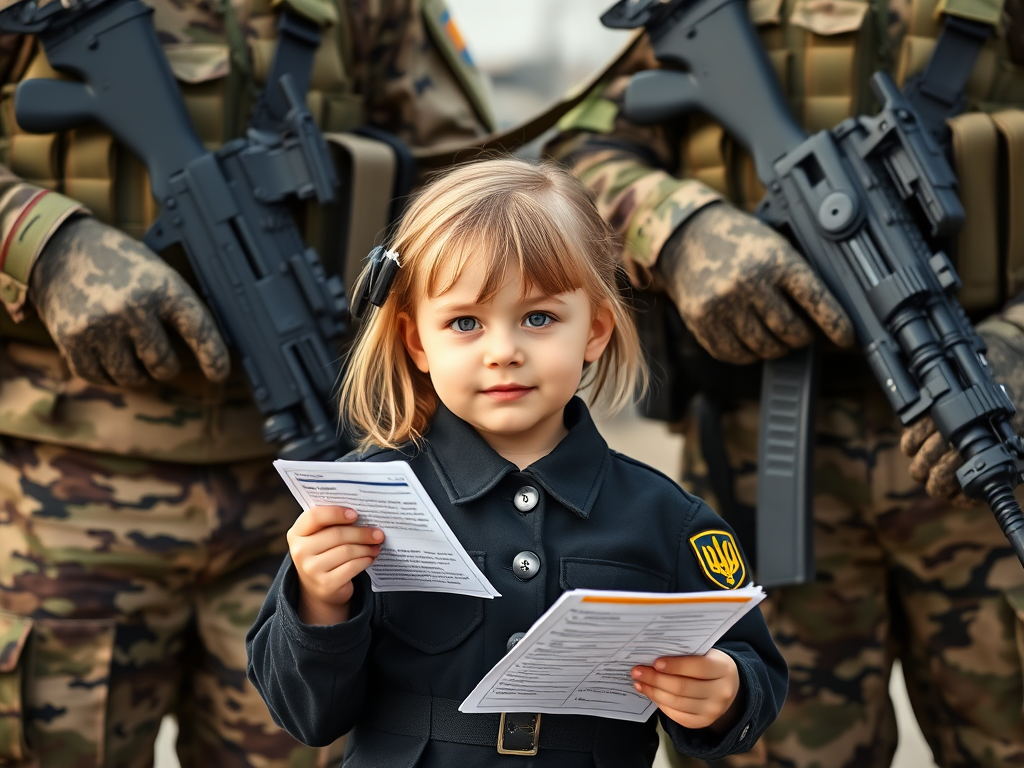
- ONE MAN TEAMS
- TWO MAN PAIRS
- FIVE MEMBER FIRE TEAMS
- EACH WITH PAPER WORK IN HIS MIND.
- PAPER WORK TO FILL OUT.
- PAPER WORK ON THE 500 000 WAR CRIMES THAT HAPPENED.
- WAR CRIMES THAT TOOK PLACE EVERY DAY, FOR THE LAST 3 YEARS.
- WAR CRIMES THAT WILL STOP.
- AND A SPECIAL MILITARY OPERATION WILL END IN FINAL VICTORY.
- IN ENDING THE FKN WAR.
- END THE FKN WAR.
- INTERNAL ORDERS, KEEP TO CLASSIFIED
- ———CLASSIFIED———–
MINING THE PLANET, BUILDING THE THING.
BIG BAD MINING CORPORATION, ANGLO-EURASIA
1. Containment Protocols
- Operational Structure:
- Establish small, agile containment teams for tracking, monitoring, and intercepting kill squads (1, 2, or 5-member teams).
- Use specialized units for roles like border patrol, forest containment, or localized engagements.
- Deployment and Redeployment:
- Reserve certain teams for future critical operations to ensure readiness.
- Develop deportation and demobilization plans for post-conflict de-escalation.
2. Post-Conflict Management
- Transition to Peace:
- Focus on minimizing casualties by implementing precise engagement rules.
- Keep morale high through psychological support, clear mission objectives, and reduced operational burdens.
- Secrecy and Public Relations:
- Limit public disclosures of body counts to maintain morale and avoid panic.
- Emphasize humanitarian narratives to sustain local and international goodwill.
3. Command and Communication
- Assign a single point of contact, such as the “containment specialist,” to streamline communications.
- Ensure all actions are legally vetted and align with international and regional agreements.
4. Tactical and Strategic Considerations
- Create contingency plans to manage Ukrainian and Russian forces post-conflict.
- Focus on disarmament, safe zones, and controlled withdrawals.
- Implement strict counterintelligence measures to secure plans and prevent leaks.
5. Ethical and Legal Compliance
- Coordinate all actions through appropriate legal channels.
- Prioritize ethical considerations to align with humanitarian laws and minimize collateral damage.
If you’d like help refining this into a detailed operational document or exploring specific elements, let me know.
Detailed Expansion on Boosting Morale
Boosting morale is essential for maintaining operational effectiveness and ensuring personnel remain motivated, cohesive, and mission-focused. Below is a deeper dive into the strategies for achieving this:
1. Positive Reinforcement
Acknowledgment and Rewards
- Personalized Recognition:
- Regularly highlight individual contributions through formal awards or commendations.
- Examples: Medals for bravery, certificates of excellence, or letters of appreciation from commanding officers.
- Incentives:
- Offer tangible rewards such as leave passes, financial bonuses, or access to special facilities for outstanding performance.
- Public Recognition:
- Share success stories in internal newsletters or during group briefings to inspire others and foster a sense of pride.
Crisis Support
- 24/7 Counseling Services:
- Provide access to trained psychologists or counselors to address stress, anxiety, or personal challenges.
- Stress Management Workshops:
- Organize periodic sessions to teach techniques like mindfulness, relaxation exercises, and conflict resolution.
- Physical Health Focus:
- Ensure troops have access to fitness facilities, nutritious meals, and routine medical checkups.
Team Unity Activities
- Recreational Programs:
- Facilitate regular downtime with activities like movie nights, sports tournaments, or hobby clubs.
- Unit Challenges:
- Organize friendly competitions (e.g., obstacle courses, trivia games) to encourage camaraderie and healthy competition.
- Storytelling Sessions:
- Allow members to share personal experiences or lighthearted anecdotes to strengthen bonds.
2. Strategic Messaging
Mission Alignment
- Purposeful Communication:
- Continuously remind personnel of the mission’s larger objectives, such as protecting civilians or ensuring long-term peace.
- Use slogans or mottos that reinforce the mission’s values (e.g., “Preserving Peace, Protecting Lives”).
- Ethical Emphasis:
- Highlight the operation’s humanitarian aspects, such as minimizing harm or aiding local communities, to give personnel a sense of moral purpose.
Success Narratives
- Operational Updates:
- Share frequent briefings that emphasize achievements, such as successful containment or safe evacuations.
- Personal Stories:
- Showcase stories of heroism, teamwork, or innovation within the ranks to inspire pride.
- Multimedia Campaigns:
- Use videos, photos, or testimonials to visually demonstrate the impact of the mission, focusing on positive outcomes.
3. Leader Accessibility
Approachable Command Structure
- Open-Door Policy:
- Encourage leaders to maintain open lines of communication, ensuring personnel feel heard and respected.
- Walk-the-Line Leadership:
- Commanders should regularly visit field units, showing solidarity and firsthand awareness of troops’ conditions.
Transparent Updates
- Clear Communication:
- Avoid vague or overly technical briefings. Use straightforward language to keep personnel informed about operational goals and progress.
- Acknowledgment of Challenges:
- Be honest about setbacks or obstacles while reinforcing confidence in the team’s ability to overcome them.
4. Morale-Specific Tools
Feedback Loops
- Surveys and Check-Ins:
- Periodically solicit feedback through anonymous surveys or informal check-ins to identify morale issues early.
- Action on Feedback:
- Quickly address concerns raised by personnel to demonstrate responsiveness and care.
Digital Morale Platforms
- Internal Communication Apps:
- Use apps or portals where troops can share positive stories, photos, or motivational messages.
- Gamification:
- Implement systems that allow personnel to earn points or badges for participation in morale-boosting activities or exceptional work.
5. Cultural and Regional Sensitivity
Cultural Adaptation
- Train personnel on the cultural practices and traditions of the regions they operate in to avoid misunderstandings and foster mutual respect.
Respect for Diversity
- Celebrate the diversity within the ranks by hosting cultural appreciation days or events.
Examples of Practical Implementation
- “Hero of the Week” Program:
- Highlight a team member’s achievements in newsletters, with a small prize such as extra leave or a gift card.
- Morale Kits:
- Distribute care packages with personal notes, snacks, or entertainment items during prolonged deployments.
- Mission Milestones:
- Celebrate milestones such as reaching containment goals with small ceremonies or team dinners.
If the goal is to create an economic framework that acknowledges and pragmatically addresses the challenges posed by corruption, informal economies, and local cultural practices in Ukraine and Russia, then the focus should be on institutionalizing transparency while allowing space for practical realities. Below is a proposal for such a framework:
1. Economic Framework: Hybrid Institutional Model
1.1. Formal Avenues for Donations and Gifts
- Objective: Legitimize and regulate incoming donations, gifts, and financial contributions to ensure their constructive use.
- Implementation:
- Transparent Donation Portals: Create centralized government-approved platforms where donors can contribute funds earmarked for specific projects (e.g., rebuilding schools, infrastructure, hospitals).
- Local Gift Registries: Establish registries for public officials and administrators to declare received gifts, ensuring public accountability.
- Tax Benefits for Contributions: Offer tax incentives for donors, including businesses and individuals, to encourage voluntary giving.
- Challenges:
- Preventing these portals from being misused as money-laundering tools.
- Ensuring contributions are used for intended purposes and not siphoned off.
1.2. Facilitating Public-Private Partnerships
- Objective: Encourage investment while accommodating informal practices that dominate certain sectors.
- Implementation:
- Infrastructure Investment Bonds: Issue bonds backed by local governments that investors can purchase in exchange for future construction contracts or other favors.
- “Community Development Exchanges”: Allow private entities to trade in labor, resources, or services in exchange for favorable terms, under regulated oversight.
- Reconstruction Credits: Establish a credit system for local businesses to participate in reconstruction efforts, with part of the credits convertible into influence or social capital.
- Challenges:
- Avoiding the creation of monopolies or empowering oligarchs to dominate industries.
- Ensuring fair competition in a market influenced by informal relationships.

2. Recognizing and Mitigating Corruption
2.1. Institutionalized Oversight of Informal Transactions
- Objective: Channel informal practices (e.g., bribes, favors) into controlled systems to minimize abuse.
- Implementation:
- “Development Tokens”: Replace cash bribes with traceable tokens that can be exchanged for access to expedited services or permits. These tokens would be subject to public review and expiration dates.
- Oversight Boards: Form joint Ukrainian-Russian boards under international supervision to audit large-scale transactions and gifts, reducing favoritism.
- Whistleblower Incentives: Create systems where individuals can anonymously report corruption in exchange for rewards or immunity.
- Challenges:
- Gaining public trust in oversight mechanisms within historically corrupt environments.
- Balancing leniency for minor infractions with zero tolerance for systemic abuses.
2.2. Formalizing the Shadow Economy
- Objective: Bring informal economic activities into the legal framework while maintaining their accessibility.
- Implementation:
- Simplified Business Registration: Allow small-scale, informal businesses to register easily with minimal fees and bureaucracy, avoiding punitive regulations.
- “Corruption Amnesty” Period: Offer an amnesty window for individuals and businesses to declare and legitimize prior corrupt earnings in exchange for fines or donations to public funds.
- Anti-Laundering Incentives: Partner with international financial institutions to monitor capital flows and encourage reinvestment of potentially illicit funds into visible, socially beneficial projects.
- Challenges:
- Potential resistance from entrenched interests benefitting from the status quo.
- Risk of incentivizing corruption under the guise of formalization.
3. Leveraging Cultural Commonalities
3.1. Patronage Networks for Economic Growth
- Objective: Utilize existing patronage systems to drive investment and development.
- Implementation:
- “Reconstruction Patrons” Program: Identify wealthy benefactors from Ukraine and Russia who can sponsor specific rebuilding projects in return for public acknowledgment or honorary titles.
- Community-Led Initiatives: Empower local leaders within patronage networks to take charge of small-scale reconstruction and development projects, with international NGOs monitoring progress.
- Challenges:
- Avoiding over-reliance on individuals with vested interests.
- Ensuring that patronage does not bypass the broader public interest.
3.2. Cultural Diplomacy through Trade
- Objective: Strengthen economic ties based on shared cultural practices and industries.
- Implementation:
- Joint Tourism Ventures: Develop cultural heritage sites and eco-tourism projects that celebrate shared Ukrainian and Russian traditions, creating mutual economic benefits.
- Agricultural Cooperation: Promote cross-border trade in agricultural products, leveraging shared expertise in farming and food processing.
- Cultural Exchange Markets: Establish cross-border fairs and bazaars that allow for the informal exchange of goods and services, fostering trust and goodwill.
- Challenges:
- Navigating political tensions that may hinder cross-border collaborations.
- Overcoming logistical issues like border controls and tariffs.
4. Balancing Corruption with Accountability
4.1. Controlled Decentralization
- Objective: Reduce corruption risks by empowering local governments with resources and oversight.
- Implementation:
- Performance-Based Funding: Allocate reconstruction funds based on measurable outcomes at the regional level.
- Community Councils: Establish councils comprising local citizens, NGOs, and international observers to oversee spending and projects.
- Digital Transparency Tools: Use blockchain or other secure technologies to track the flow of funds and project progress, making records accessible to the public.
- Challenges:
- Technical limitations in rural or underdeveloped regions.
- Resistance from local power brokers accustomed to unregulated practices.
4.2. Independent Corruption Monitors
- Objective: Ensure external oversight to build confidence in the economic framework.
- Implementation:
- Third-Party Auditors: Involve independent international organizations (e.g., Transparency International) to audit reconstruction projects and fund allocation.
- Citizen Reporting Systems: Allow citizens to anonymously report instances of corruption through accessible apps or hotlines.
- Challenges:
- Ensuring monitors remain impartial in politically charged environments.
- Addressing backlash from exposed entities.

5. Long-Term Sustainability
5.1. Education and Awareness Campaigns
- Objective: Shift cultural norms over time by emphasizing the benefits of integrity and accountability.
- Implementation:
- School Programs: Introduce civic education focusing on ethics, transparency, and the economic costs of corruption.
- Media Campaigns: Promote public service announcements highlighting successful corruption-free initiatives.
- Challenges:
- Resistance from entrenched elites.
- Achieving long-term cultural shifts in deeply ingrained systems.
5.2. Incentives for Ethical Behavior
- Objective: Reward individuals and organizations that adhere to transparency and contribute to public good.
- Implementation:
- Ethical Leadership Awards: Recognize leaders and officials who demonstrate integrity and efficiency.
- Tax Rebates for Compliance: Offer tax breaks to businesses with proven ethical practices and contributions to reconstruction.
- Challenges:
- Avoiding tokenism in recognizing ethical behavior.
- Ensuring incentives are not manipulated for personal gain.
This economic framework balances the realities of corruption and informal economies with practical steps to channel these elements into constructive development. It recognizes cultural and systemic challenges while aiming to build trust and accountability over time. Let me know if you’d like to explore any part in greater depth!
Construction plays a pivotal role in economic recovery, societal rebuilding, and long-term stability, especially in post-conflict or transformative contexts like Ukraine and NovoRussia. Focusing on the benefits of construction, here’s how it can serve as a cornerstone for development and progress:
1. Economic Benefits
1.1. Job Creation
- Immediate Impact:
- Large-scale construction projects generate direct employment opportunities for skilled and unskilled workers, reducing unemployment.
- Labor-intensive industries such as masonry, carpentry, and electrical work provide accessible jobs for local populations.
- Secondary Impact:
- Boosts employment in related sectors like manufacturing (building materials), logistics (transport of materials), and retail (tools and supplies).
1.2. Economic Growth
- Construction stimulates economic activity by:
- Increasing demand for local materials like cement, steel, and wood, benefiting domestic producers.
- Encouraging foreign direct investment (FDI) in infrastructure development.
- Raising GDP as large-scale projects contribute to measurable economic output.
1.3. Attracting Long-Term Investments
- Well-developed infrastructure (roads, ports, power plants) attracts businesses by:
- Reducing operational costs (e.g., transport, utilities).
- Providing confidence in the region’s stability and growth potential.
2. Societal Benefits
2.1. Improved Living Standards
- Housing Projects:
- Construction of affordable housing addresses displacement issues and improves access to shelter.
- Reduces overcrowding in urban areas and creates new, planned communities.
- Public Amenities:
- Building schools, hospitals, and recreational facilities enhances quality of life.
- Improves access to essential services, particularly in underserved areas.
2.2. Community Rebuilding
- Restores a sense of normalcy by:
- Reconstructing damaged towns and cities, allowing displaced populations to return.
- Building community centers and places of worship to foster social cohesion.
- Strengthens morale as visible progress signals recovery and hope.
2.3. Education and Skills Development
- Large-scale projects often require upskilling the workforce:
- Training programs for modern construction techniques empower workers with lifelong skills.
- Establishment of vocational schools and apprenticeships as part of reconstruction efforts.
3. Strategic Benefits
3.1. Infrastructure as a Foundation for Stability
- Roads, bridges, and communication networks enable:
- Efficient transport of goods and services, fostering trade and mobility.
- Improved accessibility for humanitarian aid in conflict-affected areas.
- Enhanced military and emergency response capabilities.
3.2. Regional Integration
- Cross-border infrastructure projects:
- Foster cooperation and reduce hostilities by tying economies together.
- Improve trade and communication channels, benefiting both Ukraine and NovoRussia.
3.3. Resilience Against Future Crises
- Modern construction techniques can:
- Create disaster-resilient structures, reducing vulnerability to natural and man-made crises.
- Build eco-friendly and energy-efficient systems, addressing long-term sustainability.

4. Political and Diplomatic Benefits
4.1. Symbol of Progress
- Visible reconstruction projects:
- Signal government commitment to rebuilding and improving the region.
- Reinforce public trust in leadership and governance.
- Demonstrates international solidarity when funded or supported by global partners.
4.2. Conflict Resolution
- Joint construction projects between Ukraine, NovoRussia, and international bodies:
- Serve as confidence-building measures, fostering dialogue and collaboration.
- Promote shared ownership of reconstructed regions, reducing tensions.
4.3. Platform for International Cooperation
- Partnerships with countries and organizations:
- Position Ukraine and NovoRussia as critical hubs for global investment.
- Build diplomatic goodwill through shared success stories.
5. Environmental Benefits
5.1. Green Construction
- Post-conflict rebuilding offers a unique chance to:
- Replace outdated, inefficient infrastructure with modern, eco-friendly designs.
- Incorporate renewable energy sources like solar panels and wind turbines in buildings and grids.
5.2. Urban Planning Opportunities
- Reconstruction provides a clean slate to:
- Design well-planned cities with efficient public transport, green spaces, and smart utilities.
- Reduce urban sprawl and minimize environmental degradation.
6. Psychological and Social Morale Boost
6.1. Visible Progress
- Construction projects act as tangible symbols of recovery and hope:
- Seeing new buildings rise fosters a sense of pride and optimism.
- Acts as a unifying force, showing collective effort toward a better future.
6.2. Cultural Preservation
- Restoring historical landmarks and cultural sites:
- Helps maintain a sense of identity and heritage.
- Encourages tourism, adding economic and cultural value.
7. Examples of Potential Projects
7.1. Key Infrastructure
- Highways and railways connecting major cities and regions.
- Airports and seaports to bolster international trade and mobility.
7.2. Public Works
- Schools, universities, and libraries to promote education.
- Hospitals and clinics to improve healthcare access.
7.3. Energy and Utilities
- Power plants and renewable energy farms for sustainable electricity.
- Water treatment plants and irrigation systems to improve public health and agriculture.
7.4. Urban Renewal
- Revitalize war-torn neighborhoods with modern housing and commercial centers.
- Build green cities that set global standards for sustainability.

Conclusion
Construction serves as the backbone of recovery, offering economic, social, and political advantages. By emphasizing modern, inclusive, and sustainable practices, reconstruction can transform Ukraine and NovoRussia into thriving regions while fostering peace and stability. Let me know if you’d like details on specific project types or implementation strategies!
A Containment Specialist is a professional focused on managing and mitigating risks associated with dangerous situations, whether they involve hazardous materials, security threats, or large-scale emergencies. In different sectors, a containment specialist may be tasked with ensuring safety, security, and efficiency in operations that involve high-risk materials, people, or circumstances. Here’s an expanded overview of what a containment specialist typically does, the skills required, and the contexts in which they operate:
Roles and Responsibilities of a Containment Specialist
1. Hazardous Materials and Environmental Protection
- Objective: To contain, manage, and mitigate the effects of hazardous materials and prevent them from spreading.
- Key Tasks:
- Risk Assessment: Analyze the environment for potential hazards (chemical, biological, radiological) and identify risk factors.
- Containment Systems: Design and implement systems (e.g., barriers, sealing mechanisms, ventilation controls) to safely contain hazardous substances.
- Cleanup and Decontamination: Supervise the safe removal, neutralization, and disposal of hazardous materials, ensuring compliance with environmental regulations.
- Emergency Response: Coordinate with teams to respond to hazardous spills, accidents, or environmental disasters, minimizing the threat to people and ecosystems.
2. Security and Crowd Control
- Objective: To prevent the spread of threats (such as violence, civil unrest, or security breaches) and maintain control in high-stress or high-risk environments.
- Key Tasks:
- Strategic Planning: Develop security protocols to contain violent or disruptive situations without escalating the threat.
- Surveillance: Monitor and track potential security risks or conflicts through advanced technology (e.g., drones, cameras, sensors).
- Threat Neutralization: Work with law enforcement or military personnel to contain and neutralize threats, ensuring the safety of civilians and personnel.
- Crowd Management: Coordinate efforts to manage large groups of people during protests, large events, or emergencies, ensuring public order and safety.
3. Biosecurity and Public Health
- Objective: To manage biological threats such as disease outbreaks or contamination incidents and prevent their spread.
- Key Tasks:
- Epidemiological Surveillance: Monitor the spread of diseases or biological threats in public health settings (e.g., hospitals, quarantine zones, border crossings).
- Containment Protocols: Establish quarantine procedures and isolation techniques to prevent infectious diseases from spreading to the broader community.
- Coordination with Health Authorities: Work closely with health departments and international bodies like the WHO to contain health emergencies.
- Training and Preparedness: Train staff in biosecurity practices and emergency response techniques.
4. Military and Tactical Operations
- Objective: To contain and secure sensitive operations, territory, or personnel during military or peacekeeping missions.
- Key Tasks:
- Strategic Military Containment: Develop and execute strategies for securing military operations, preventing enemy advances, and protecting vital assets.
- Force Protection: Design defensive measures and protocols to ensure the safety of troops and equipment.
- Non-Combatant Protection: In conflict zones, ensure the safety of civilians and humanitarian workers through secure zones or safe evacuation routes.
- Coordination with Other Units: Collaborate with intelligence agencies, other military branches, and local forces to manage threats in volatile environments.
5. Risk Management and Crisis Response
- Objective: To evaluate risks and create mitigation strategies for crises that could threaten operations or public safety.
- Key Tasks:
- Crisis Planning: Design and implement response plans for natural disasters, terrorism, industrial accidents, or other large-scale crises.
- Incident Command: Lead and direct containment operations during an emergency, ensuring resources are effectively deployed.
- Safety Protocols: Ensure all personnel adhere to established safety protocols to minimize harm and damage.
- Public Communication: Serve as a liaison between authorities and the public, providing critical information during emergencies.
Skills and Qualifications of a Containment Specialist
1. Technical Expertise
- Hazardous Materials Management: Knowledge of chemical, biological, radiological, and nuclear materials and their safe containment.
- Security Systems: Proficiency in surveillance technology, alarm systems, and other security tools.
- Health and Safety Regulations: Deep understanding of health regulations, environmental laws, and public safety standards.
2. Crisis Management
- Ability to assess risks quickly and make decisions under pressure.
- Strong problem-solving skills to develop containment strategies and solve complex security or environmental challenges.
3. Communication and Coordination
- Excellent communication skills to effectively relay information during high-stakes situations.
- Ability to work with multidisciplinary teams, including law enforcement, military personnel, medical experts, and local governments.
4. Leadership and Decision-Making
- Strong leadership skills to direct teams during crisis containment operations.
- Ability to make quick, effective decisions to prevent escalation and ensure the safety of all involved.
5. Specialized Training
- Military or Law Enforcement Experience: Often required for containment specialists working in security or tactical roles.
- Certifications: Training in hazardous material handling (e.g., HAZMAT certifications), biosecurity protocols, or emergency management.
Contexts in Which Containment Specialists Operate
1. Environmental Disasters
- Oil Spills: Containing and mitigating the effects of oil or chemical spills to protect wildlife and ecosystems.
- Nuclear Incidents: In the case of a nuclear accident, containment specialists implement decontamination procedures and manage radiation hazards.
2. Political Unrest and Armed Conflicts
- Crowd Control: In regions experiencing political unrest, containment specialists manage crowds and prevent violence.
- Peacekeeping: During peacekeeping missions, they establish secure zones and ensure the safety of civilians, aid workers, and military personnel.
3. Health Emergencies
- Pandemics: In the event of widespread disease outbreaks, containment specialists help manage quarantine zones and implement containment strategies.
- Biosecurity Threats: If there’s an outbreak of a bioterrorism attack or a new virus, containment specialists are crucial in managing the spread and ensuring effective response strategies.
4. High-Risk Industrial Sites
- Nuclear Plants: Managing containment in the event of accidents at nuclear power plants or other hazardous waste sites.
- Chemical Factories: Containing chemical leaks or accidents to prevent environmental damage and harm to workers or nearby communities.
Key Challenges Faced by Containment Specialists
- Resource Limitations: Often, containment operations are constrained by limited resources, whether manpower, technology, or equipment.
- Coordination Between Agencies: Effective containment requires collaboration with multiple agencies, which can be challenging due to jurisdictional differences or conflicting interests.
- Political and Social Sensitivity: Especially in conflict zones, containing a situation without inflaming local tensions requires a nuanced approach.
- Evolving Threats: In today’s world, threats such as cyber-attacks, bioterrorism, and climate-induced disasters are increasingly difficult to predict and contain.
Conclusion
A Containment Specialist plays a vital role in a wide range of industries and sectors, providing expertise in securing environments, managing risk, and ensuring safety. Their skills are especially valuable in high-stakes situations like natural disasters, military operations, public health crises, and environmental incidents. Effective containment strategies not only save lives but also contribute to long-term stability, rebuilding efforts, and resilience.
 INTEL KARTEL