
TRUMP 2 IS HERE, LETS REGIME CHANGE THE WORLD IN A DEMOCRATIC FREEOD LOVIGN FASHION.. TO A TRADIONALISTS FAMILY VALUE NORAMALACY OF RICHARD SCARRY WORLD ORDER, INTELIGENT GLOBAL CARTEL STAND DOWN AND GO EXTRA PROFESSIONAL TO TRANSFORM INTO LEGITIMATE BUISNESS INTERESTS.
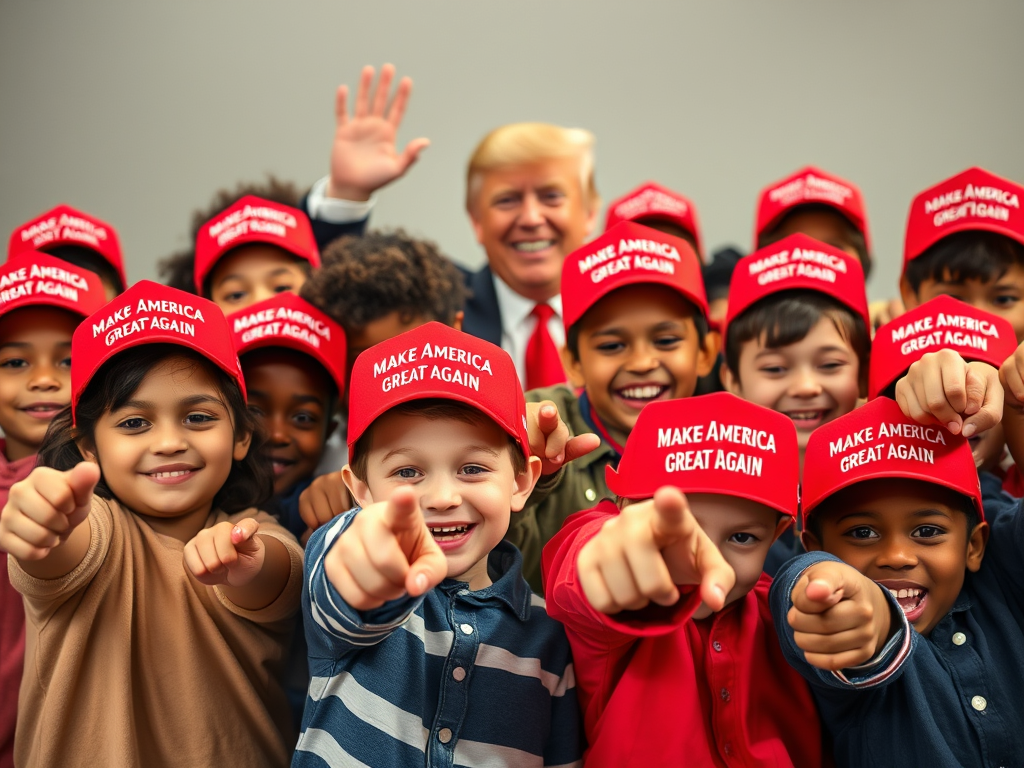
THE MILITARY INDUSTRY LOVES CLEAN OPERATIONS, KEEP IT CLEAN BOYS.
Quotes about Donald Trump, Thinking Big, and Making America Great Again:
- “I will be the greatest jobs president that God ever created.”
- Donald Trump
This quote emphasizes Trump’s vision of creating massive opportunities for employment and prosperity, one of the key elements of his agenda to rejuvenate the American economy.
- Donald Trump
- “The more that you read, the more things you will know. The more that you learn, the more places you’ll go.”
- Donald Trump
Trump has often stressed the importance of learning and adapting, which is crucial for success on a large scale, just as he applied this mindset to his business and presidential goals.
- Donald Trump
- “You have to think anyway, so why not think big?”
- Donald Trump
Trump’s focus on thinking big is a fundamental part of his philosophy. It’s not just about achieving success, but about setting goals that go beyond what others might deem possible.
- Donald Trump
- “America is winning again. America is respected again. And America is great again.”
- Donald Trump
This was one of his defining slogans, emphasizing the return of American influence and leadership in global politics, military strength, and economic growth.
- Donald Trump
- “I’ve had great success, but my greatest success is helping America grow and become great again.”
- Donald Trump
Trump has always viewed his leadership as a means to restore the nation’s greatness and help it achieve unparalleled success.
- Donald Trump
Short Stories of Thinking Big and Making America Great Again:
- The Vision of a Real Estate Empire: Donald Trump’s story is rooted in his bold vision for real estate. Starting with a modest loan from his father, he dared to think bigger than most others in the industry. Rather than building small apartment complexes, Trump envisioned skyscrapers in the heart of Manhattan. His daring ambition led to the construction of iconic properties like Trump Tower, transforming both his brand and the skyline of New York City. Trump’s willingness to gamble on large-scale projects, even when others doubted him, speaks to his broader philosophy: think big, take risks, and never settle for mediocrity.
- The Art of the Deal: Trump’s approach to deals — whether real estate, politics, or business — has always been marked by a keen understanding of leverage and negotiation. In his book The Art of the Deal, Trump emphasized the importance of thinking outside the box and pursuing opportunities that others might overlook. One such instance was his purchase of the Commodore Hotel in New York City in 1974, which he transformed into the Grand Hyatt Hotel. Many thought it was too risky, but Trump’s vision and bold move revitalized a key part of the city and set him on a path of continued success.
- “America First” and Global Strategy: As president, Trump often spoke about revitalizing American industry and making the nation less dependent on foreign entities. One of his key initiatives was the renegotiation of trade deals, particularly the North American Free Trade Agreement (NAFTA), which he believed was unfair to American workers. His “America First” policies were designed not to isolate the U.S., but to put the interests of American workers and businesses at the forefront, encouraging more production and manufacturing within the country. His efforts in renegotiating trade agreements with China and Mexico are prime examples of his commitment to thinking big and making America great again through a strategic approach to international relations.
- The Economic Boom Post-Tax Reform: Donald Trump’s tax reform was one of the signature legislative victories of his presidency. In 2017, he passed a tax cut that lowered corporate taxes and incentivized American businesses to bring jobs back to the U.S. While critics doubted the long-term benefits, Trump’s thinking big led to an economic boom, with businesses expanding, unemployment reaching historic lows, and wages rising. The tax cuts reflected his belief that by empowering businesses and individuals with lower taxes, America could foster innovation, job creation, and economic growth.
- A Legacy of Strong Leadership and National Pride: One of the most defining elements of Trump’s presidency was his unapologetic embrace of American exceptionalism. He made it a point to emphasize the importance of American sovereignty, military strength, and national pride. His administration’s focus on strengthening the military, rebuilding infrastructure, and creating policies that encouraged domestic production were all part of his larger vision to restore America’s global dominance. His leadership was often controversial, but it was always centered around the idea of putting America back on top of the global stage.
These quotes and stories reflect the essence of Donald Trump’s approach to leadership, success, and the pursuit of a better America. By thinking big, setting ambitious goals, and taking bold actions, he aimed to revitalize the nation and secure its future as a global powerhouse.
Donald Trump’s “Master Plan,” especially during his tenure as president, focused on a combination of bold economic, foreign, and domestic policies designed to restore America’s global dominance, stimulate growth, and prioritize the interests of the American people. The major elements of his “Master Plan” can be broken down into various areas: economic growth, national security, trade policies, immigration reform, and deregulation. Here’s a detailed look at the components of his vision:
1. Economic Growth and Job Creation:
Tax Reform (Tax Cuts and Jobs Act of 2017):
- Trump’s administration enacted significant tax cuts, lowering the corporate tax rate from 35% to 21%, aimed at boosting investment and creating jobs in the U.S.
- The plan also included individual tax cuts, with a focus on middle-income families, and aimed to simplify the tax code.
Job Creation and Unemployment:
- One of Trump’s key goals was to bring jobs back to America, particularly in manufacturing and energy sectors.
- His policies, such as tax cuts, deregulation, and trade renegotiations, aimed to incentivize companies to invest and create jobs domestically.
- Under Trump, the U.S. saw significant job growth, with unemployment reaching historic lows (pre-pandemic).
Energy Independence:
- Trump’s plan was to reduce U.S. dependency on foreign oil and energy sources.
- The administration emphasized drilling, including the approval of oil pipelines like Keystone XL and the expansion of natural gas production.
- By removing regulations and promoting energy production, the U.S. became a net exporter of oil during his presidency.
Deregulation:
- Trump focused on cutting red tape and rolling back environmental and business regulations.
- For every new regulation, Trump’s administration aimed to eliminate two existing ones, which was aimed at making it easier for businesses to operate and grow.
- Notably, he rolled back many Obama-era environmental regulations, arguing that excessive rules hurt job creation and business expansion.
2. Trade and Foreign Policy (America First):
Renegotiating Trade Deals:
- One of Trump’s signature policies was renegotiating international trade agreements that he believed were unfavorable to the U.S.
- NAFTA to USMCA: Trump renegotiated the North American Free Trade Agreement (NAFTA), replacing it with the United States-Mexico-Canada Agreement (USMCA), which aimed to bring more jobs to America and improve the trade balance with Mexico and Canada.
- China Trade War: Trump initiated a trade war with China, imposing tariffs to reduce the U.S. trade deficit and push China to agree to fairer trade practices. The U.S. aimed for more balanced trade with China, with agreements focusing on intellectual property, technology transfer, and fair competition.
Strengthening Alliances and Military Power:
- Trump focused on making NATO members contribute more to defense spending, pushing for greater burden-sharing among U.S. allies.
- He maintained a strong military presence in key regions, ensuring that the U.S. could project power globally.
- His administration also made a strong push to ensure military readiness and modernization, including funding for new weapons systems and increasing defense spending.
3. Immigration and Border Security:
Building the Wall:
- One of Trump’s most high-profile promises was building a wall along the southern U.S. border to prevent illegal immigration from Mexico and other countries.
- While the full wall was not completed, his administration increased border security and built new sections of border fencing.
- He focused on strengthening Immigration and Customs Enforcement (ICE) and increasing the number of border agents to prevent illegal crossings.
Immigration Reform:
- Trump’s policies aimed to reduce illegal immigration while prioritizing skilled, legal immigration.
- His administration focused on policies like the “Muslim ban,” the “public charge” rule (which sought to limit immigration for those likely to require government assistance), and an overhaul of the asylum process.
- The administration also pushed for an end to “chain migration” and the Diversity Visa Lottery, focusing on merit-based immigration.
DACA and Immigration Enforcement:
- Trump sought to end the Deferred Action for Childhood Arrivals (DACA) program, which provided protections for undocumented immigrants who arrived as minors.
- Though Congress did not pass a comprehensive immigration reform package, Trump’s administration aggressively enforced immigration laws, which were often met with controversy.
4. Healthcare:
Repealing and Replacing Obamacare:
- Trump campaigned on the promise to repeal and replace the Affordable Care Act (Obamacare), arguing that it was a failure.
- While his efforts to fully repeal Obamacare were unsuccessful, his administration did eliminate the individual mandate, which required people to purchase insurance or face a tax penalty.
- Trump also aimed to reduce healthcare costs through deregulation and increasing competition in healthcare markets.
5. Judicial Appointments and Legal Reform:
Supreme Court Appointments:
- Trump successfully appointed three justices to the U.S. Supreme Court: Neil Gorsuch, Brett Kavanaugh, and Amy Coney Barrett, significantly shaping the Court’s conservative tilt.
- His judicial appointments extended to lower courts as well, securing a long-lasting conservative legal legacy.
Criminal Justice Reform (First Step Act):
- The First Step Act was a major criminal justice reform bill passed in 2018 under Trump. It focused on reducing mandatory minimum sentences for non-violent offenders and allowed for prisoners to earn credits toward early release for good behavior.
- The law was seen as a step toward reforming the U.S. criminal justice system, with bipartisan support.
6. National Security and Terrorism:
Fighting Terrorism:
- Trump focused on a hardline approach to fighting terrorism, including military action against ISIS, culminating in the killing of ISIS leader Abu Bakr al-Baghdadi in 2019.
- He also ordered the assassination of Iranian General Qasem Soleimani, which escalated tensions in the Middle East but was part of his strategy to project strength against Iran.
Withdrawal from Global Agreements:
- Trump made the decision to withdraw the U.S. from several international agreements that he believed were disadvantageous to the U.S. These included the Paris Climate Agreement, the Iran Nuclear Deal, and the Trans-Pacific Partnership (TPP). He justified these withdrawals by arguing that these deals did not serve American interests.
7. Social and Cultural Issues:
Promoting American Nationalism:
- Trump consistently championed American nationalism, often speaking out against political correctness and promoting a vision of America that prioritized its citizens and traditional values.
- His “America First” approach was meant to place the U.S. as the global leader, focusing on domestic prosperity rather than international cooperation at the expense of national interests.
Second Amendment Rights:
- Trump strongly supported the Second Amendment and opposed any significant gun control legislation. His administration took steps to protect the rights of gun owners, and he often stood firm against calls for stricter gun laws.
Religious Freedom:
- Trump placed a strong emphasis on protecting religious freedoms. His administration worked to allow more religious expression in schools, the military, and public spaces.
- His support of religious rights also extended to protections for faith-based organizations, especially in areas of healthcare and employment.
8. Infrastructure and American Innovation:
Infrastructure Investment:
- Trump’s administration proposed significant investments in U.S. infrastructure, though many of these efforts were stalled in Congress. His plan included funding for roads, bridges, airports, and broadband.
- Trump also sought to streamline the permitting process for infrastructure projects, making it easier to start large construction projects.
Conclusion:
Donald Trump’s “Master Plan” was built on a bold vision of revitalizing America by focusing on economic growth, job creation, military strength, immigration reform, and national sovereignty. His policies aimed at reducing reliance on foreign countries, encouraging American businesses, and restoring national pride. His tenure, though controversial, left a lasting impact on U.S. domestic and foreign policies, with a focus on prioritizing American interests above all else.
 INTEL KARTEL