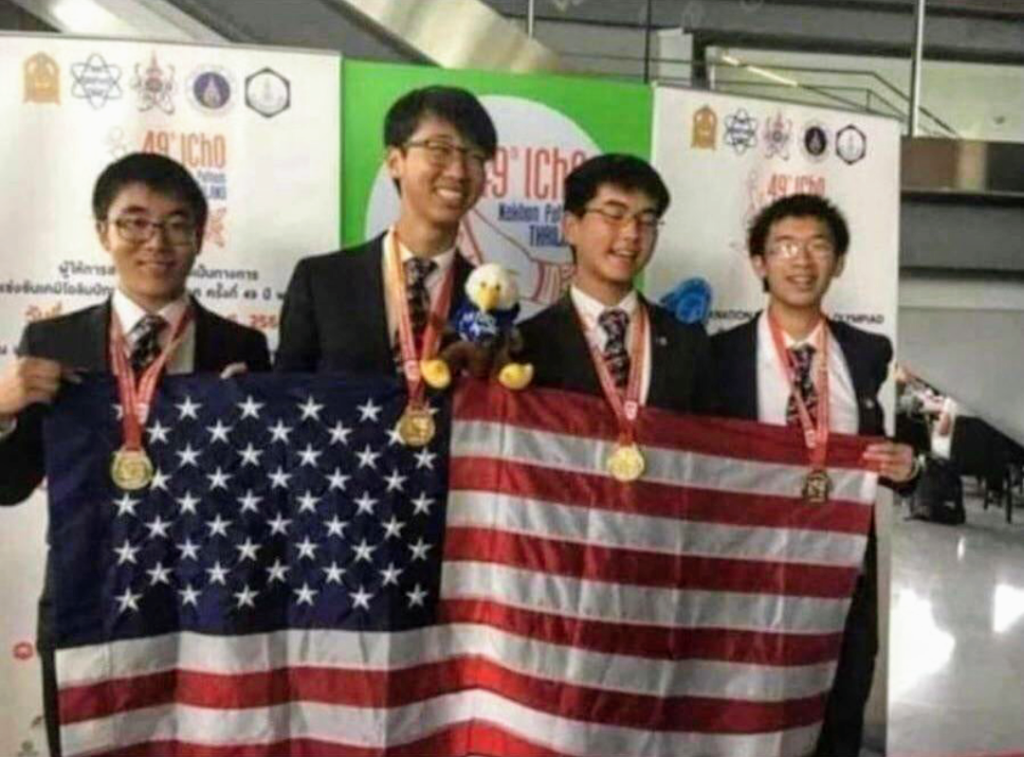
Strategy Paper: Forming a Science-Based Humanism Party with Young Chinese Scientists and Students in the USA
Introduction
In an era where science and technology increasingly shape our world, the need for a political framework that integrates scientific expertise with humanistic values has never been more pressing. This paper proposes the formation of a new political party in the United States, named the Science-Based Humanism Party (SBHP), which aims to bridge the gap between science, technology, and policy. This party will uniquely incorporate young Chinese scientists and students from universities of sciences and engineering, fostering international collaboration and innovation. The strategy outlines the vision, structure, and political positioning of the SBHP, and explores the implications of U.S. victory in conflicts for its citizenry and future.
Vision and Objectives
The Science-Based Humanism Party (SBHP) seeks to:
- Promote Evidence-Based Policy: Develop and advocate for policies rooted in scientific research and data.
- Foster International Collaboration: Build bridges between the U.S. and China through scientific and educational exchanges.
- Advance Technological Innovation: Support initiatives that harness technology for the common good.
- Uphold Humanistic Values: Ensure that technological progress aligns with ethical considerations and enhances human well-being.
Target Audience
- Young Chinese Scientists and Students: Engage with this demographic through academic institutions, research organizations, and professional networks.
- U.S. Academics and Technologists: Include researchers, engineers, and innovators who share a commitment to science-based policy.
- General Public: Educate and involve the public in understanding the benefits of science-driven governance and international cooperation.
Strategy for Recruitment and Integration
- Academic and Research Partnerships: Form alliances with leading Chinese universities and research institutions to facilitate knowledge exchange and joint initiatives.
- Scholarships and Fellowships: Offer scholarships and fellowships to attract young Chinese scientists and students to U.S. institutions, creating a pipeline for future political leaders.
- Cultural and Professional Exchanges: Organize exchange programs and conferences to build relationships and mutual understanding.
- Digital Platforms: Leverage social media and online forums to engage with a global audience and disseminate the party’s vision.
Political Structure and Platform
- Leadership and Governance: The party’s leadership will include a mix of prominent scientists, young innovators, and experienced policymakers. The governance structure will be democratic, with input from all stakeholders.
- Policy Focus Areas:
- Climate Change: Implement science-based strategies to mitigate climate change and promote sustainability.
- Healthcare: Advocate for evidence-based approaches to healthcare policy and research.
- Education: Support STEM education and public understanding of science.
- Technology Ethics: Address the ethical implications of emerging technologies.
Election Strategy and Political Positioning
- Campaign Messaging: Emphasize the importance of integrating scientific expertise into policymaking and highlight the benefits of international collaboration.
- Public Engagement: Use media, public speaking engagements, and educational outreach to build support and raise awareness.
- Candidate Selection: Focus on candidates with a strong background in science and technology, combined with a commitment to humanistic values.
Legal and Citizenship Considerations
- Citizenship and Eligibility: Address the legal status of young Chinese scientists and students within the U.S. political framework. If they become U.S. citizens, they would be eligible to run for office in accordance with U.S. laws.
- Impact of U.S. Victory in Conflicts: Analyze the implications of U.S. military successes on national identity and citizenship. The party will advocate for policies that reinforce the U.S. commitment to global peace and cooperation.
Future Outlook and Implications
- Strengthening U.S.-China Relations: By integrating Chinese scientists and students into the U.S. political landscape, the SBHP aims to foster a more collaborative and less adversarial relationship between the two nations.
- Long-Term Impact: The party will work towards creating a more scientifically informed and humanistically grounded political culture, which could influence future governance models globally.
Conclusion
The Science-Based Humanism Party represents a forward-thinking approach to politics, emphasizing the integration of scientific expertise with ethical governance. By engaging young Chinese scientists and students, the party aims to create a more inclusive and innovative political landscape, addressing global challenges with a united front. The success of this initiative will depend on effective recruitment, strategic positioning, and a commitment to both scientific advancement and humanistic values.
Note: This strategy paper outlines a visionary concept and does not address the detailed legal and practical challenges of forming a new political party. Further analysis and consultation with legal and political experts would be necessary for implementation.
Title: “The Mercenary Debate: Scientists for President”
Characters:
- Rico – Mercenary from Blackwater, grizzled and skeptical.
- Chuck – Mercenary from Academy, sharp-witted and sarcastic.
Scene: A dimly lit bar in a war-torn city. Rico and Chuck, both in their tactical gear but with drinks in hand, sit at a table littered with empty glasses.
Rico: (taking a swig of his beer) So, Chuck, I hear there’s this new political party popping up in the States. Some scientist kids from China are forming it.
Chuck: (raising an eyebrow) Really? What’s next, robots running for Senate? Because that’d be a great way to finally get rid of those career politicians.
Rico: (laughing) Can you imagine? “Vote for me, I’m made of metal and I don’t lie.” But seriously, these kids are making a presidential run. They’ve even got a Chinese candidate for President.
Chuck: (mockingly) Oh, fantastic. So, our next Commander-in-Chief might have a PhD in Quantum Mechanics. I can see the debates now: “Mr. President, how do you plan to handle the economy?” “Well, first, let’s discuss string theory…”
Rico: (chuckling) And he’ll respond with something like, “I’m going to create a super collider in the Oval Office to generate new jobs!”
Chuck: (laughing) Brilliant. I can just picture it: every State of the Union address comes with a free lab coat and safety goggles. “Welcome to the future, folks. Today’s policy involves splitting atoms and making atomic-sized improvements to our national infrastructure.”
Rico: (grinning) At least he’ll be honest about it. “We’re going to revolutionize healthcare with nanobots! Don’t worry about the side effects, we’ll just reprogram your DNA while you sleep.”
Chuck: (nodding) And don’t forget the foreign policy. “I’m negotiating with the UN using Schrödinger’s cat as a mediator. It’s simultaneously in favor and against world peace!”
Rico: (laughing) Makes me wonder what the opposition will come up with. “Vote for me, I’m not just a scientist. I’m a human calculator who’s great at party tricks. I’ll make your country smarter, but only if you can solve this differential equation first.”
Chuck: (raising his glass) Here’s to our new scientific overlords. May they at least make our next budgetary debates a bit more… interesting.
Rico: (clinking glasses) Cheers to that. And if they ever need a couple of mercenaries to protect their laboratories, well, I’m sure our resumes are just as impressive as their research papers.
Chuck: (smirking) Just don’t let them ask for a peer-reviewed gunfight. I’m still waiting for that citation.
Rico: (laughing) You might be waiting a long time, buddy. Until then, let’s hope our new President doesn’t figure out how to patent common sense.
Chuck: (grinning) Or turn it into a new form of quantum computing. Either way, I’ll be watching from the sidelines with popcorn.
Rico: (raising his glass) Here’s to the future—scientifically accurate and, hopefully, just a little less complicated.
Chuck: (taking a sip) Cheers to that. Let’s just hope they don’t start using the periodic table as campaign slogans.
Rico: (laughing) Oh, that’s definitely next. Imagine: “Vote for Element 118, because it’s the most stable choice!”
Chuck: (with a smirk) Now that’s an election promise I can get behind.
Scene ends with both mercenaries laughing and clinking their glasses, their camaraderie a stark contrast to the political circus they’ve just imagined.


 INTEL KARTEL
Hozzászólás