Fentanyl use, particularly illicit fentanyl, has become a significant public health crisis in many countries, especially in the United States. While data on fentanyl use by specific age demographics like Millennials and Generation Z is available, it’s important to note that fentanyl is not typically used recreationally by choice; instead, many people encounter fentanyl unintentionally when it is mixed with other substances like heroin, cocaine, or counterfeit prescription pills.
Here’s an overview of fentanyl use in Millennials and Generation Z:
Millennials (1981-1996)
- Fentanyl exposure: Millennials have been significantly impacted by the opioid crisis. Many opioid users who initially started with prescription painkillers or heroin have unknowingly consumed fentanyl.
- Overdose statistics: Millennials are one of the age groups most affected by fentanyl-related overdoses. In some regions, the 25-34 age group (a large portion of Millennials) has the highest overdose death rate linked to fentanyl.
- Illicit use: Although fentanyl is primarily encountered in combination with other drugs, some individuals seek out fentanyl for its extremely potent effects, despite the high risk of overdose.
Generation Z (1997-2012)
- Fentanyl exposure: Gen Z, especially those in their late teens and early twenties, have seen increasing exposure to fentanyl in recreational drugs, particularly in counterfeit pills sold as prescription medications like Xanax or oxycodone.
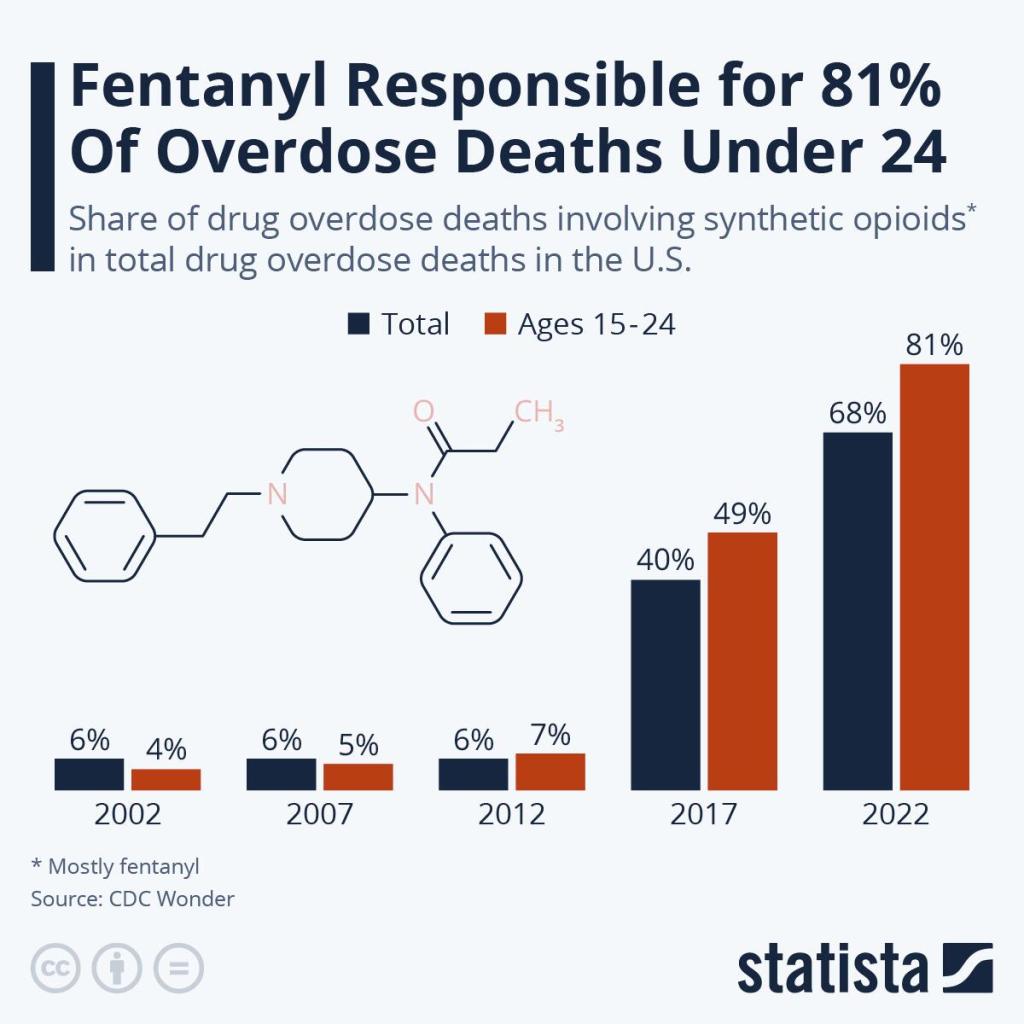
- Overdose risks: Fentanyl-related overdoses are becoming increasingly common among younger users. In fact, fentanyl is now a leading cause of overdose deaths among people aged 15-24.
- Trends: Younger people may be less likely to intentionally seek out fentanyl, but due to its widespread presence in the drug supply, many Gen Z users are unknowingly exposed, often through pills or powders.
Key Concerns:
- Unintentional fentanyl use is a major issue for both Millennials and Gen Z due to its presence in the illicit drug market.
- Overdose deaths have skyrocketed in recent years across both generations, driven by fentanyl contamination in various drugs.
Fentanyl’s extreme potency (50-100 times stronger than morphine) makes even small amounts deadly, which is why its spread in street drugs is so dangerous for both of these generations.
The fallout due to fentanyl, particularly illicit fentanyl, has been devastating, touching multiple areas of public health, society, and the economy. The scale of the crisis is massive, and the effects are being felt across multiple demographics and social groups. Here’s an overview of the full impact:
1. Public Health Crisis
- Overdose Deaths: Fentanyl is the leading cause of overdose deaths in the U.S., contributing to over 100,000 drug overdose deaths annually in recent years. Synthetic opioids like fentanyl account for the vast majority of these deaths. Fentanyl’s potency makes even small doses lethal, especially when users unknowingly consume it in combination with other drugs.
- From 2020 to 2023, fentanyl overdose deaths have surged dramatically, and it is now the primary driver of the opioid epidemic. The CDC reported that around 70% of opioid overdose deaths in 2021 involved fentanyl.
- Young People at Risk: Both Millennials and Gen Z have seen a massive increase in fentanyl-related fatalities, especially those in the 15-34 age group. Fentanyl contamination in recreational drugs like cocaine, heroin, methamphetamine, and counterfeit prescription pills is a significant driver of these deaths.
- Public Health Strain: The rising number of overdose cases has overwhelmed healthcare systems, emergency responders, and public health services, leading to massive resource allocation to address the crisis.
2. Social Impact
- Families and Communities: The opioid crisis has devastated families across all socioeconomic groups, particularly in rural and working-class communities. Fentanyl’s rapid spread has increased the number of children entering foster care due to parental substance abuse and deaths.
- Trauma: Families of overdose victims are left to cope with the emotional toll and grief. Communities hit hardest by fentanyl suffer from a cycle of trauma, often leading to increased mental health disorders, such as depression and PTSD.
- Impact on Youth: Generation Z, in particular, has been increasingly vulnerable to counterfeit pills laced with fentanyl. Social media platforms and peer-to-peer networks have become common avenues for drug sales, putting youth at higher risk.
3. Criminal Justice System
- Drug Trafficking and Distribution: Illicit fentanyl is often produced in clandestine labs, primarily in Mexico and China, and trafficked into the U.S. and other countries. Law enforcement has been working to curb this trafficking, but its potency (even a small shipment can produce thousands of lethal doses) makes enforcement challenging.
- Increase in Arrests: There has been a significant increase in fentanyl-related arrests, with law enforcement agencies cracking down on traffickers and distributors. However, arresting low-level users or dealers has had limited success in reducing the overall crisis.
- Overburdened Prisons: Many individuals incarcerated for drug offenses are dealing with addiction, and prisons have become overwhelmed with the opioid-addicted population. Rehabilitation efforts within the criminal justice system have lagged behind the scale of the crisis.
4. Economic Fallout
- Lost Productivity: The loss of life and disability associated with fentanyl use has had a severe impact on the workforce, particularly among Millennials who represent a large portion of the working population. The opioid epidemic has been estimated to cost the U.S. economy over $1 trillion annually, factoring in lost productivity, healthcare costs, and criminal justice expenses.
- Healthcare Costs: The financial burden on the healthcare system has been immense, including costs for emergency medical services, addiction treatment, and long-term care for individuals impacted by opioid use disorder. Overdoses, hospitalizations, and treatment services add billions of dollars in economic costs.
- Employer Costs: Employers have also been affected, with absenteeism, job loss, and decreased productivity linked to employees suffering from opioid addiction, including fentanyl use. This creates an additional economic toll on businesses.
5. Mental Health Epidemic
- Substance Abuse Disorder: Fentanyl has exacerbated the opioid addiction crisis, leading to a significant increase in individuals suffering from substance use disorders. The highly addictive nature of fentanyl leads to rapid physical and psychological dependence.
- Mental Health Strain: The increase in drug use, overdoses, and trauma has also worsened mental health issues across generations. Anxiety, depression, and other mental health challenges are now commonplace in communities heavily affected by the fentanyl crisis.
6. Policy and Government Response
- Public Health Initiatives: Governments have responded with harm reduction strategies, such as the distribution of naloxone (Narcan), a life-saving drug that can reverse opioid overdoses, as well as public awareness campaigns. However, more comprehensive solutions, including mental health and addiction services, are still underfunded and underdeveloped.
- Legalization of Supervised Consumption Sites: Some cities and states have proposed or adopted policies allowing supervised consumption sites, where individuals can use drugs under medical supervision to prevent overdoses. These sites aim to reduce deaths but remain controversial.
- Reform in Prescriptions: There has been a tightening of opioid prescription practices to reduce access to fentanyl and other opioids in medical settings. However, much of the fentanyl found in overdose cases is illicitly manufactured, complicating this effort.
- International Cooperation: Governments have attempted to work with countries like Mexico and China to limit the production and trafficking of illicit fentanyl, but challenges remain in curbing the supply chain.
7. Education and Awareness
- Awareness Campaigns: There has been an increase in education efforts, especially targeting younger generations, to raise awareness about the dangers of fentanyl-laced drugs. Public service announcements, school programs, and media campaigns are trying to alert people about the risks of unknowingly ingesting fentanyl.
- Stigma Reduction: Efforts to reduce the stigma surrounding addiction and increase access to treatment programs have become a key component of addressing the crisis.
8. Harm Reduction
- Naloxone (Narcan) Distribution: Naloxone has become widely available and can reverse the effects of fentanyl overdoses. Many communities have expanded naloxone distribution to first responders, schools, and even general public areas to combat the rise in overdoses.
- Fentanyl Test Strips: Some harm reduction initiatives have promoted the use of fentanyl test strips, allowing drug users to test for the presence of fentanyl in substances before consuming them. These strips can save lives, though their availability varies by location.
Summary
The fentanyl crisis has left a deep and far-reaching impact across various segments of society, contributing to:
- An overwhelming number of overdose deaths,
- Devastated communities and families,
- Strain on healthcare and public safety systems,
- Economic losses and reduced productivity,
- And increased focus on harm reduction and policy reform.
Addressing this crisis requires a multifaceted approach, combining public health initiatives, education, harm reduction strategies, law enforcement efforts, and global cooperation to tackle both the supply and demand for illicit fentanyl.


 INTEL KARTEL
Hozzászólás