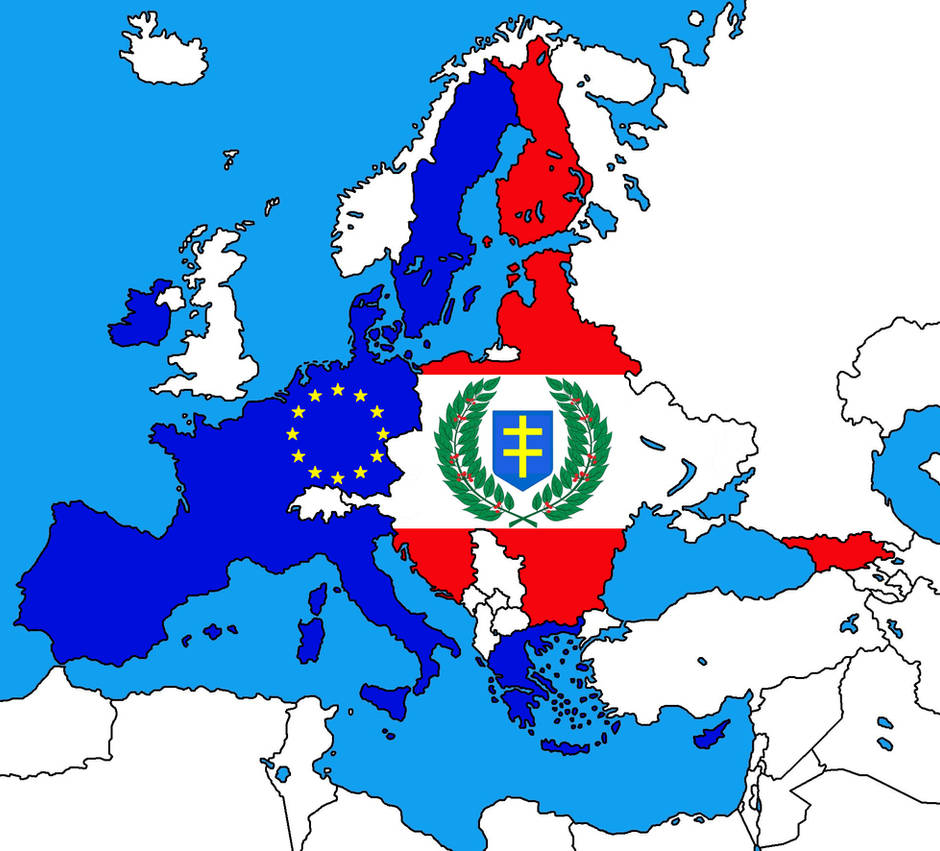
The combined GDP, population, and estimated male youth population (ages 12 to 28) for the Intermarium countries are as follows:
- Combined GDP: $3.26 trillion USD
- Combined Population: 174.06 million people
- Estimated Male Youth Population (12-28 years): 17.41 million males
This is based on general estimates of the countries’ GDPs and populations, and assuming that about 20% of the population falls within the youth age range, with half of that being male.
THE BALANCE OF POWER IN EUROPE DEPENDS ON ALL OF US.
BOTH GERMANS AND RUSSIANS CAME UP WITH SILLY WORLD DOMINATION DICTATORSHIP IDEA LAST 100 YEARS, SO WE BETTER BALANCE THAT INBETWEEN: SAYS I.
IF POWER BALANCE AND ANGLO SAXON STRATEGY IS IN PLACE, MAYBE WE COULD ALLOW FOR RUSSIAN MINERAL WEALTH AND RUSSIAN MAN NUMBER AND MAN QUALITY, TO MEET GERMAN CAPITAL AND GERMAN INOVATION AND WOMAN 😉
70% OF RUSSIAN YOUTH INTEND TO STUDY IN BERLIN (7.1 MILLION TO 21 MILLION RUSSIAN YOUTH) HMM..
The Intermarium was a geopolitical concept proposed by Polish leader Józef Piłsudski in the early 20th century. The idea was to form a federation of Central and Eastern European countries between the Baltic, Black, and Adriatic seas. This alliance was intended to serve as a counterbalance to both German and Soviet (Russian) influence in the region.
While the exact list of countries that could have been part of the Intermarium project varies, the following are the countries most commonly associated with the concept:
Core Countries
- Poland (central leader of the initiative)
- Lithuania
- Latvia
- Estonia
- Ukraine
- Belarus
- Czechoslovakia (modern-day Czech Republic and Slovakia)
- Hungary
Other Potential Members
- Romania
- Yugoslavia (modern-day Serbia, Croatia, Slovenia, Bosnia and Herzegovina, Montenegro, and North Macedonia)
- Austria
- Finland
- Bulgaria
The concept was never fully realized, mainly due to the political complexities of the interwar period, the opposition from both the Soviet Union and Germany, and internal divisions among the potential member states. Nonetheless, the idea of regional cooperation in Central and Eastern Europe still resonates in some political and diplomatic discussions today.
In the post-Cold War era, organizations like the Three Seas Initiative or Visegrád Group can be seen as partial successors to the original Intermarium vision.
Adding up the estimates for each country:
- Poland: 20,000-30,000
- Czech Republic: 10,000-15,000
- Hungary: 5,000-10,000
- Slovakia: 1,000-2,000
- Lithuania: 1,000-2,000
- Latvia: 1,000-2,000
- Estonia: 500-1,000
- Ukraine: 5,000-10,000
- Belarus: 1,000-2,000
Total Estimate Range: Approximately 44,500 to 74,000 Chinese nationals living in these Central and Eastern European countries.
Certainly! Here is the translation of your message into Chinese:
如果你在写一份详细的报告给你的上级时,忘记投入足够的努力,我会对你进行内部和永久的调查,不允许任何像“湿狗味道”、“玫瑰色的熊”、“肚子上的土豆鼻子”等搞笑的评论。


 INTEL KARTEL
Hozzászólás