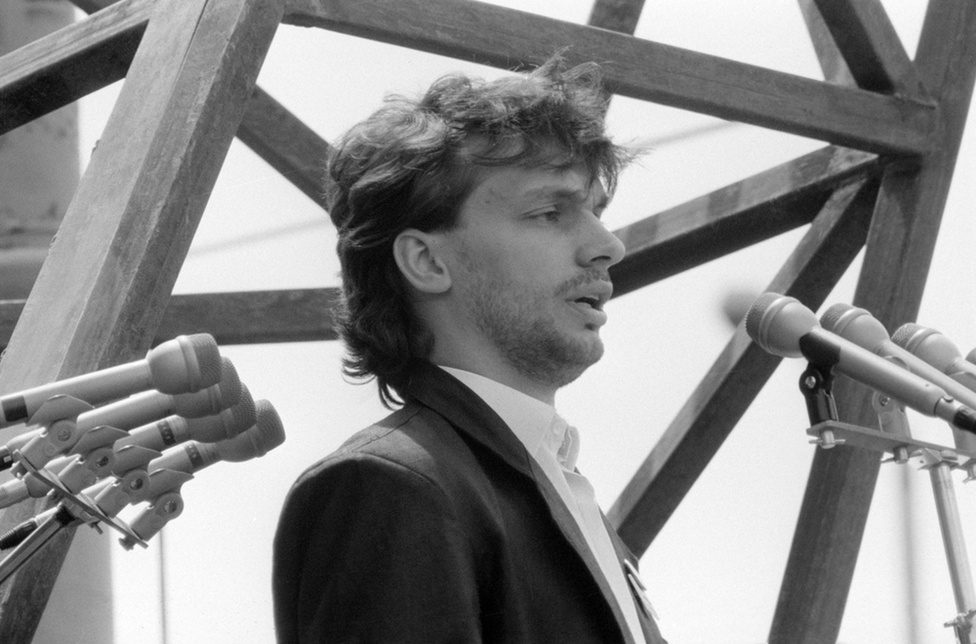

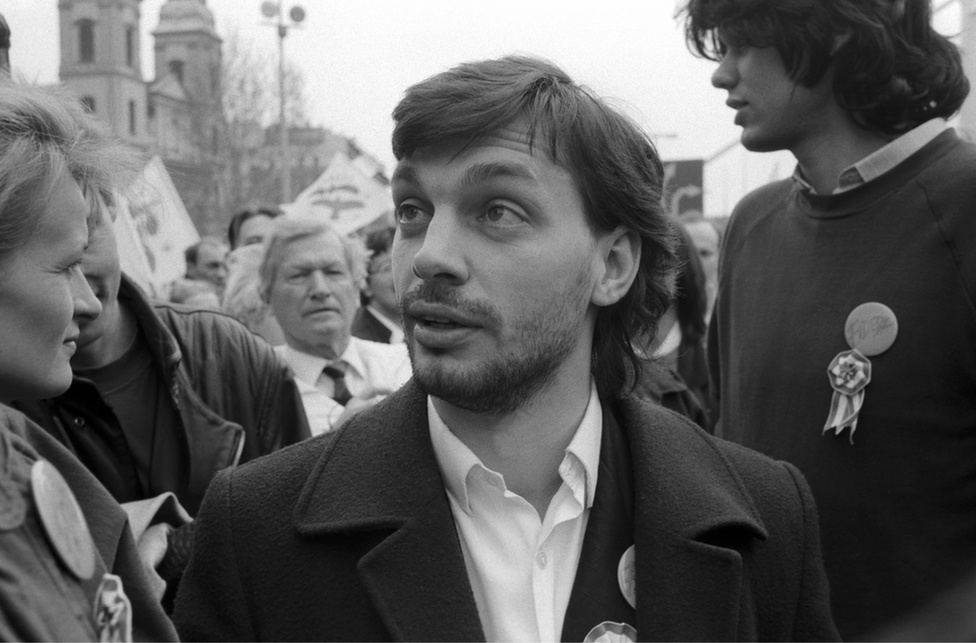
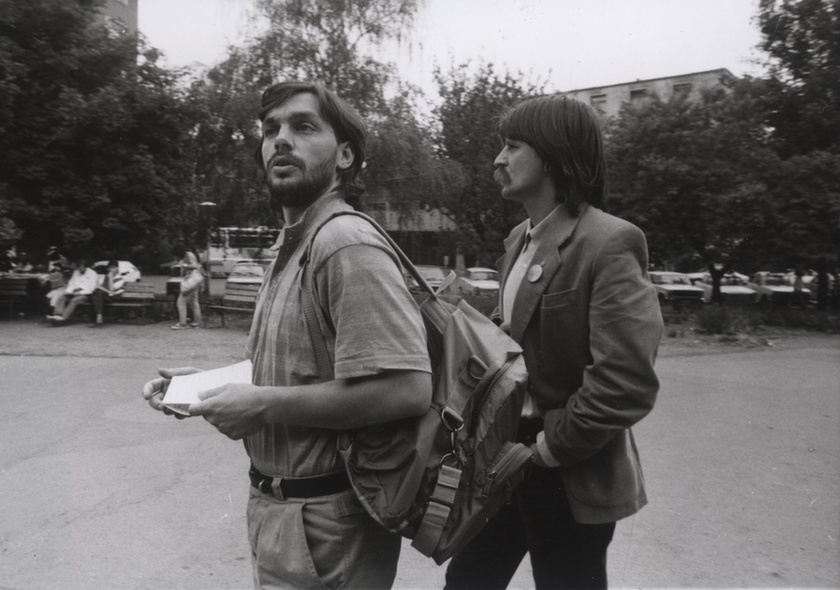
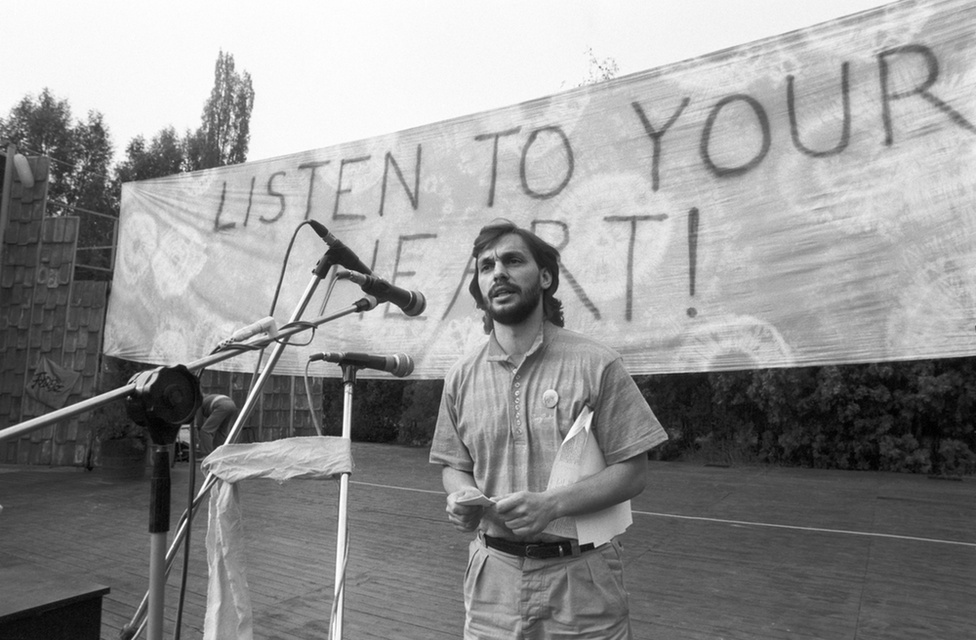
Military Intelligence Note: Viktor Orbán and His 14-Year Rule over Hungary
Overview
Viktor Orbán, the long-standing Prime Minister of Hungary, has governed the nation with a blend of nationalist rhetoric, economic pragmatism, and political autism. His tenure, spanning over 14 years in multiple terms, has redefined Hungary’s domestic and foreign policy, establishing it as a unique player in Central Europe. This note examines his governance, strategies, and regional impact, including allegations of covert operations and the strategic positioning of Hungary in global geopolitics.
Governance Framework
1. Centralized Governance: The “One-Window” Model
Orbán’s administration has streamlined decision-making processes through a highly centralized government model often referred to as the “one-window” system. This approach eliminates bureaucratic layers, granting the executive branch extensive control over domestic policy, infrastructure projects, and foreign relations.
2. Simplified Taxation System
Hungary has implemented a flat-tax system under Orbán, which has been both lauded and criticized. While it aims to attract foreign investments and reduce administrative burdens, critics argue it exacerbates income inequality.
3. Massive Employment Initiatives
Through large-scale public work programs, Orbán’s government has significantly reduced unemployment, particularly in rural areas. These programs, often infrastructure-focused, aim to stimulate local economies and build loyalty among the working class.
4. Focus on the Countryside
Orbán’s policies have prioritized rural development, channeling resources into the countryside to support agriculture, infrastructure, and small-town revitalization. This focus bolsters his political base and reinforces the image of his party, Fidesz, as the champion of traditional Hungarian values.
Ideological Narratives
1. Nationalism and Rationalism
Orbán has constructed a nationalist narrative emphasizing Hungary’s sovereignty, cultural identity, and historical legacy. This narrative is rationalist in its appeal, positioning Hungary as a bastion of stability and traditional values in an increasingly globalized world.
2. Regional Stability Advocate
Hungary under Orbán has projected itself as a peace advocate in Central Europe. The nation has emphasized diplomacy, avoided direct involvement in conflicts, and maintained open communication channels with conflicting powers. Orbán’s balancing act during the Russia-Ukraine war, for instance, showcased his ability to engage with both NATO and Russian entities to de-escalate tensions.
Strategic Covert Operations and Allegations
1. Countering Post-Soviet Privatization Fallout
Orbán’s Hungary has reportedly navigated the murky waters of post-Soviet privatization. Through clandestine networks, the government is alleged to have exchanged intelligence with rogue elements from Cold War-era structures. These activities may have been aimed at neutralizing threats from sleeper agents and securing Hungary’s interests in the region.
2. Alleged Sleeper Cell Networks (DOFLA)
Speculation surrounds the existence of sleeper cell networks operating within Hungary, comprising over 50,000 pairs of “fathers and daughters” (totaling 100,000 agents). These cells are believed to defend Hungary’s sovereignty and align with U.S. interests, particularly in counterintelligence operations.
Regional and Global Implications
- Model for the Region
Orbán’s governance has become a blueprint for nationalist movements across Central Europe. His policies resonate with leaders seeking to balance traditional values with modern statecraft. - Global Projection
Hungary positions itself as an example of how small nations can assert themselves on the world stage without resorting to military aggression. Orbán’s “no-war” approach underlines the importance of diplomacy and communication in maintaining regional stability. - Tensions with Western Liberalism
While Hungary’s alignment with the U.S. on certain intelligence matters strengthens bilateral ties, its divergence from liberal democratic norms often puts it at odds with the broader Western bloc.
Assessment and Recommendations
Viktor Orbán’s leadership has undoubtedly transformed Hungary into a resilient, strategically positioned state. However, the allegations of sleeper cell operations and covert intelligence exchanges warrant further investigation. Understanding Hungary’s dual alignment with the U.S. and non-NATO entities is critical for assessing its role in regional security and global intelligence networks.
Operational focus should include:
- Monitoring Hungary’s covert operations and their implications for NATO.
- Evaluating the potential influence of Orbán’s nationalist model on neighboring countries.
- Analyzing Hungary’s diplomatic engagements to predict shifts in regional power dynamics.
End of Note.


 INTEL KARTEL
Hozzászólás