Ending undereducation—a situation where people do not receive sufficient or quality education to meet personal, societal, or economic needs—requires a multi-faceted approach. Here’s a structured breakdown of how it can be tackled at various levels:
🌍 1. Government-Level Solutions
✅ Invest in Education Systems
- Allocate higher budgets to education (especially K-12 and vocational training).
- Improve infrastructure (schools, learning materials, technology).
✅ Policy Reform
- Make education compulsory and enforceable.
- Expand early childhood education programs.
- Offer free or subsidized schooling, especially in low-income regions.
✅ Train and Support Teachers
- Offer better salaries and training.
- Provide incentives to work in rural or underserved areas.
🏘️ 2. Community-Level Initiatives
✅ Build Awareness
- Run campaigns about the importance of education.
- Challenge cultural or gender norms that discourage schooling (especially for girls).
✅ Local Support Systems
- After-school tutoring programs.
- Community learning centers and libraries.
- Partner with NGOs for outreach.
👩💻 3. Technological Interventions
✅ Expand Access to Digital Learning
- Provide free online courses (e.g., Khan Academy, Coursera, local ed-tech).
- Distribute low-cost devices or learning kits.
- Ensure internet access in remote areas.
✅ Adaptive Learning Platforms
- Use AI and data to personalize learning.
- Offer tools in local languages and accommodate various learning styles.
💼 4. Private Sector Involvement
✅ CSR and Public-Private Partnerships
- Companies sponsor schools or scholarships.
- Partner with governments to fund programs or bring innovation.
✅ Work-Linked Learning
- Promote apprenticeships and vocational training tied to real jobs.
🧠 5. Addressing Root Causes
✅ Poverty and Child Labor
- Provide school meals or conditional cash transfers to families.
- Enforce laws against child labor.
✅ Conflict and Displacement
- Set up mobile or emergency education in conflict zones.
- Provide education for refugees and displaced children.
🛠️ 6. Focus Areas for Improvement
- Literacy and numeracy in early grades.
- Secondary education completion.
- Skills for the future (digital literacy, critical thinking).
- Inclusivity: education for girls, children with disabilities, minorities.
🎯 Summary: What Works
| Action Area | Examples |
|---|---|
| Government Investment | Free primary/secondary education, teacher training |
| Community Engagement | Awareness drives, local mentoring |
| Technology | Online classes, e-learning platforms |
| Private Sector | Corporate funding, job-training programs |
| Social Reform | Anti-child-labor laws, poverty alleviation |
“Cleaning out” or replacing harmful role models—particularly in the context of education or youth development—requires redirecting admiration and influence toward healthier, more constructive figures. This is especially important when undereducation is driven or reinforced by toxic cultural influences (e.g., criminals, influencers who glamorize ignorance or violence, etc.).
Here’s how to approach this strategically and ethically, not by erasing influence, but by transforming it:
🧠 1. Understand Why Those Role Models Appeal
Before removing them, ask:
- What need or aspiration do these role models fulfill?
- Is it power, money, rebellion, identity, validation?
- Are youth lacking real alternatives?
➡️ Insight: You can’t just take away a role model—you must replace them with someone who satisfies those same emotional, social, or aspirational needs, but in a positive way.
🔁 2. Introduce New Role Models Strategically
✅ Use Relatable Success Stories
- Invite guest speakers from similar backgrounds who succeeded through education.
- Highlight local entrepreneurs, artists, engineers, or activists.
- Showcase athletes, musicians, or creators who value discipline and learning.
✅ Leverage Media & Social Influence
- Share films, documentaries, and social media content with empowering figures.
- Promote local or national influencers who model intelligence, resilience, and community service.
💬 3. Facilitate Critical Thinking
- Teach youth how to analyze media and public figures.
- Why do they follow them?
- What are their values?
- Who benefits from their influence?
- Integrate media literacy and value-based education in schools and youth programs.
🤝 4. Create Mentorship Networks
- Connect students with positive mentors: university students, professionals, community leaders.
- Offer peer mentoring programs to shift influence from toxic to constructive sources.
🎯 5. Shift Cultural Symbols of Success
- Redefine what “success” looks like in the local culture:
- From fast money to long-term stability.
- From fame to impact.
- From defiance to purpose.
- Celebrate educational and social achievements publicly.
🚫 6. Limit Harmful Exposure (When Necessary)
- Encourage digital boundaries and challenge harmful trends in schools and homes.
- Engage parents and communities to discourage idolizing figures who promote violence, misogyny, or anti-intellectualism.
Note: Censorship alone doesn’t work—it must be paired with positive identity-building.
👣 7. Start Early
- Begin introducing positive role models in early childhood.
- Create a pipeline of influence before toxic ones gain ground.
🔄 Bottom Line:
You don’t erase bad role models—you outshine them.
By building identity, purpose, and aspiration through education, exposure, and empathy, youth can shift their loyalty to people who represent a better version of what they truly want.
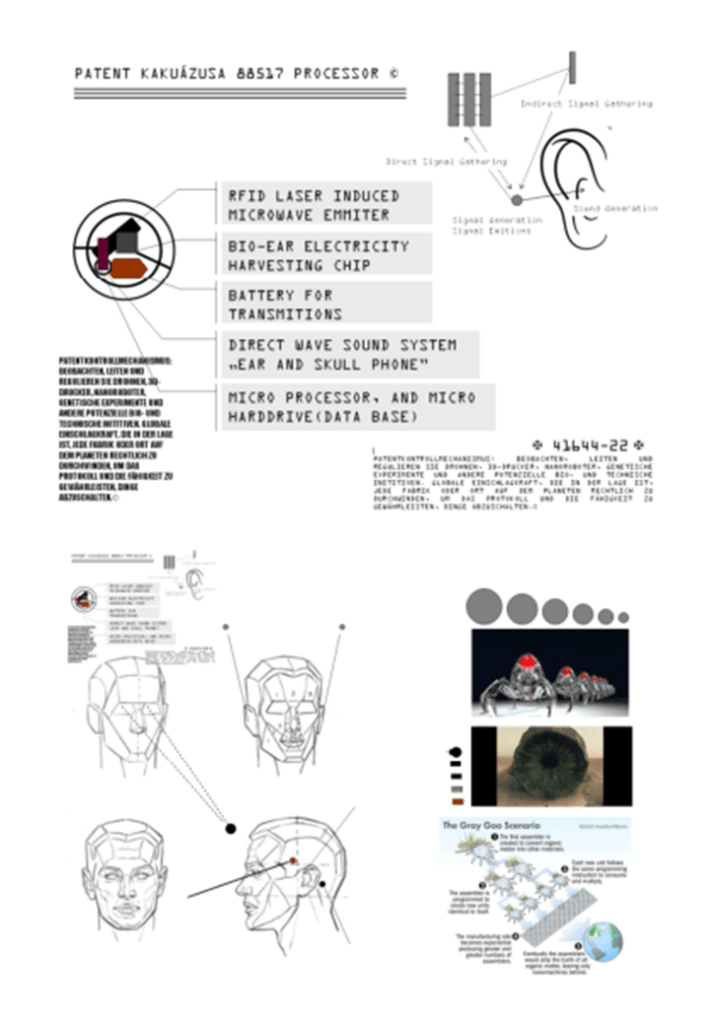
until then, enjoy ear skull phone fukcers, and the clensing shall commence.
the mindfull planet will stay mindfull.

 INTEL KARTEL
Hozzászólás