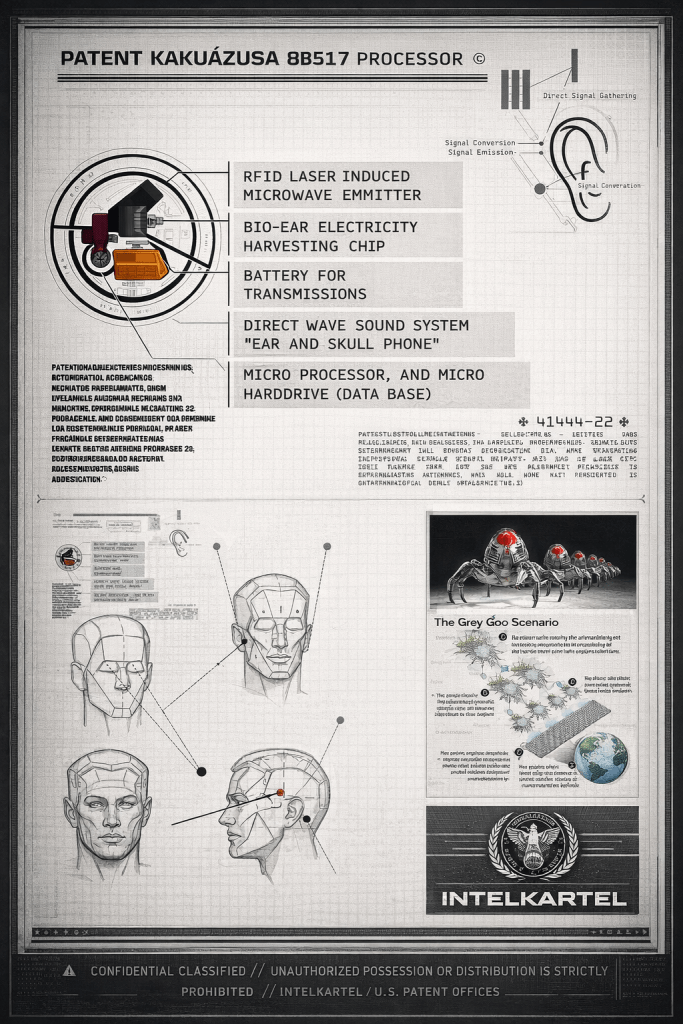
w WHERE THEY PRODUCE THE EAR SKULL PHONES
MILITARY INTELLIGENCE MEMORANDUM
Subject: Semiconductor & Microelectronics Industrial Base – Netherlands
Classification: Open-Source Intelligence (OSINT) Assessment
Date: 27 MAR 2026
Origin: Strategic Technology Analysis Cell
1. EXECUTIVE SUMMARY
The Kingdom of the Netherlands possesses a globally critical semiconductor ecosystem spanning design, fabrication, and—most importantly—advanced manufacturing equipment. It is one of the few countries with a near-complete semiconductor value chain, including R&D, chip architecture, production tooling, and specialized fabrication. (Statista)
Key assessment points:
- The Netherlands is a strategic chokepoint in global chip production, primarily due to dominance in lithography systems.
- The country hosts high-value, low-volume production rather than mass foundry capacity (unlike Taiwan or South Korea).
- Dutch firms supply critical enabling technologies required for advanced nodes (≤5 nm).
- The industrial cluster centered around Eindhoven (Brainport region) is a high-priority strategic technology hub.
2. KEY STRATEGIC COMPANIES
2.1 Core Tier (Global Strategic Impact)
- ASML Holding
- Role: World’s sole producer of EUV lithography systems
- Function: Enables fabrication of advanced CPUs, GPUs, AI chips
- Strategic Value: Single-point global dependency for sub-7 nm chips
- Workforce: ~44,000 (Wikipedia)
- NXP Semiconductors
- Role: Integrated circuit (IC) design and production
- Focus: Automotive, industrial, secure connectivity (NFC co-inventor)
- Facilities: Fabrication in Nijmegen and global sites (Wikipedia)
2.2 Secondary Tier (Critical Supply Chain & Specialized Chips)
- ASM International
- Specialization: Atomic layer deposition (ALD) and wafer processing equipment
- BE Semiconductor Industries
- Specialization: Packaging, die bonding (≈39% global market share) (welcome-to-nl.nl)
- Nexperia
- Output: Discrete semiconductors (diodes, MOSFETs, logic ICs)
- Volume: ~100 billion units/year
- Note: Subject to government intervention due to security concerns (2025) (Wikipedia)
- Ampleon
- Specialization: RF power semiconductors (defense, radar, telecom) (Wikipedia)
2.3 Additional Industrial Ecosystem (Selected Firms)
- EFFECT Photonics (photonic chips)
- Trymax Semiconductor (plasma processing equipment)
- Boschman Advanced Packaging Technology
- XIVER (RF & semiconductor solutions)
- Altum RF (RF semiconductor design)
- TEMPRESS (thermal processing systems)
- SiTel Semiconductor
- Schunk Xycarb Technology (critical materials/components) (SignalHire)
3. PRODUCTION CAPABILITIES (MICROELECTRONICS TYPES)
3.1 Integrated Circuits (ICs)
- Microcontrollers (MCUs)
- Automotive processors (ADAS, powertrain)
- Secure chips (NFC, smartcards)
- Industrial control ICs
(Primary producer: NXP)
3.2 Discrete Semiconductors
- Diodes
- Transistors (MOSFETs)
- Power management components
(Primary producer: Nexperia)
3.3 RF & High-Frequency Devices
- RF power transistors
- Radar & communications amplifiers
(Primary producer: Ampleon)
3.4 Photonic Chips
- Optical data transmission chips
- Emerging applications: quantum, AI interconnects
(Emerging sector: Eindhoven cluster)
3.5 Semiconductor Manufacturing Equipment
- EUV / DUV lithography systems
- Deposition systems (ALD, epitaxy)
- Wafer handling & packaging systems
(Primary producers: ASML, ASM, BESI)
3.6 Advanced Packaging & Assembly
- Die bonding
- Chip stacking
- Heterogeneous integration
(Primary producer: BESI)
4. INDUSTRIAL INFRASTRUCTURE & LOCATIONS
Primary Clusters
- Eindhoven (Brainport Region)
- ASML HQ (Veldhoven)
- NXP R&D hub
- Dense supplier ecosystem
- Nijmegen
- NXP fabrication
- Nexperia operations
- Delft / Amsterdam / Twente
- Research institutions and startups
5. STRATEGIC ASSESSMENT
5.1 Strengths
- Monopoly on EUV lithography (ASML)
- Full-stack ecosystem (design → equipment → packaging)
- High R&D intensity and EU funding support
5.2 Vulnerabilities
- Limited domestic mass wafer fabrication capacity
- Dependence on global supply chains for:
- Raw wafers
- Rare materials
- Exposure to geopolitical pressure (US–China tech restrictions)
5.3 Military / Strategic Relevance
- EUV systems are essential for advanced CPU, GPU, AI accelerator production
- Dutch firms indirectly enable:
- AI systems
- Advanced weapons systems
- Cyber and signals intelligence hardware
- Government intervention in Nexperia (2025) indicates:
- Recognition of semiconductors as national security assets
6. CONCLUSION
The Netherlands represents a high-leverage strategic node in the global semiconductor ecosystem:
- Not a mass chip producer, but a critical enabler of all advanced chip production worldwide
- Control or disruption of Dutch semiconductor firms—especially ASML—would have global cascading effects on CPU and advanced chip supply
7. ANALYTIC NOTE
From a military-intelligence perspective:
- ASML = strategic chokepoint asset (Tier-1 global importance)
- Eindhoven region = high-value technological concentration zone
- Dutch semiconductor sector = critical dependency for NATO, EU, US, and global industry


 INTEL KARTEL
Hozzászólás