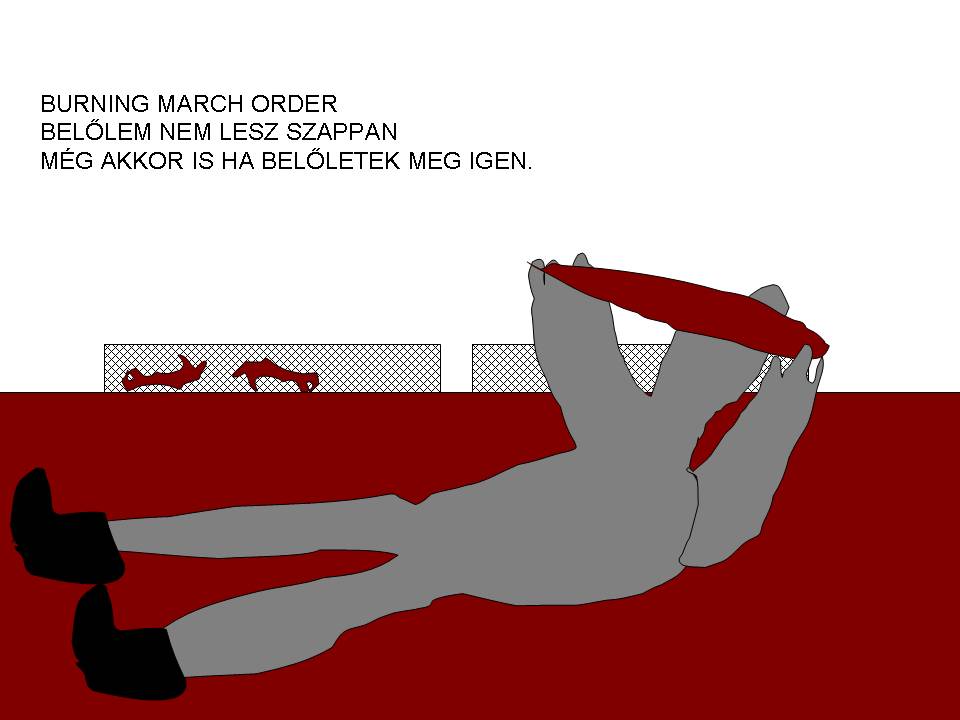
BECAUSE I WROTE A STOP SOROS PROGRAM BY CRITISIZING NGO-S INVOLVEMENT IN CRASHING COUNTRIES WITH MISINFORMATION IN USA, LIKE SHAKY LITTLE START UP SUCESS STATE BOTSOWANA WAS DESTROYED BY FALSE BLOOD DIMOND SCARE AND MEDIA HYPE, I WARNED READERS ABOUT THIS AND THAN ORBAN AND ROGAN ROLED OUT STOP SOROS BASED ON SIMILAR NOTE THAT SOROS WAS SOMEHOW AN AGENT OF THE LIBERAL WEST BRINGING IMMIGRANTS AND LOVE AND GENDER TO APHARTAEID HUNGARY FROM URBAN JEWISH DICTATORHIP CAPITAL BUDAPEST CEU.
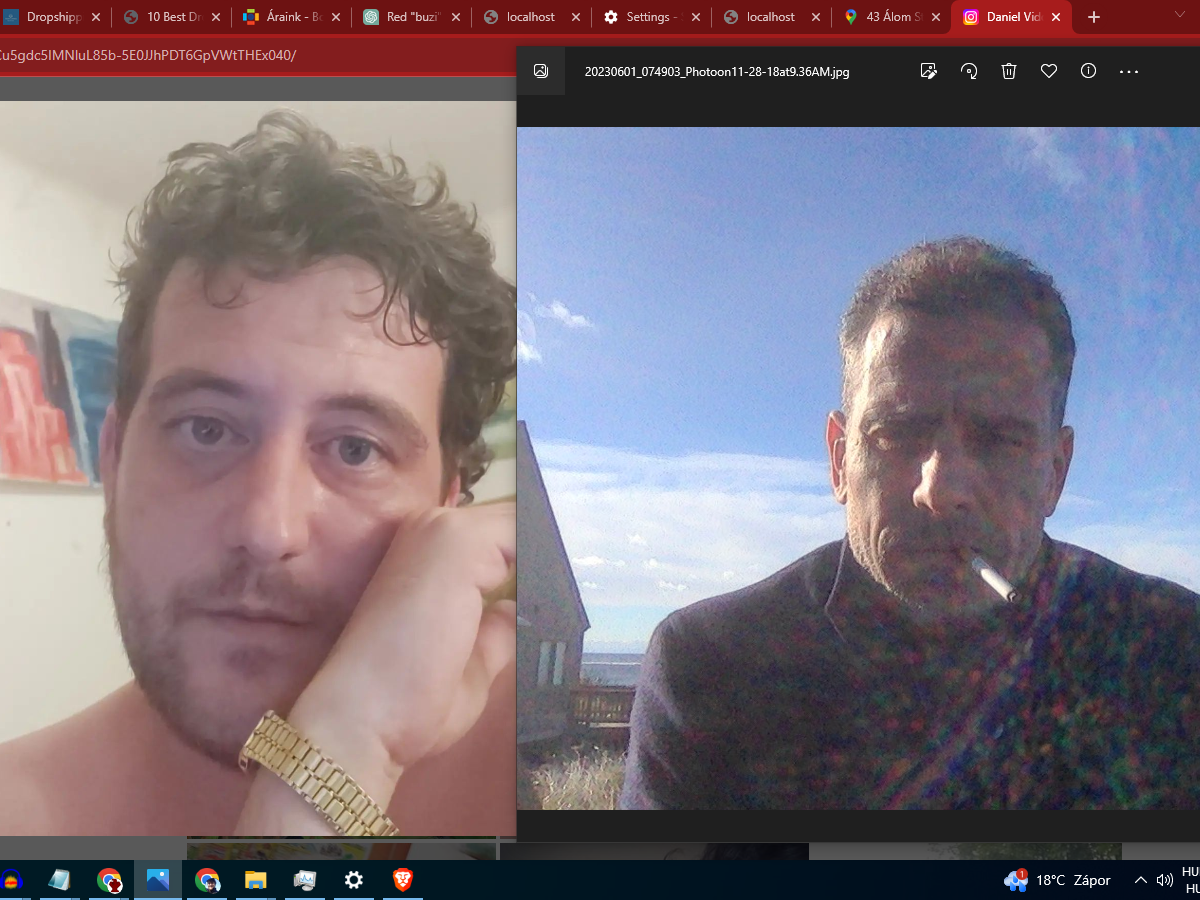
WHICH TWO MOTHERFUCKERS DID MORE FRIENDLYNESS TO AGENTS THAN US, RIGHT? THE RULING CLASS FUCKERS IN LOVE WITH CHINESE COMMUNIST CHARACTERISTICS, ME OR BIDENS SON?
WELL WELL, DANIEL DID ALMOST NOTHING WHILE HE SMOKED A BOWL WITH OBAMAS SO CALLED DOUGHTERS WHICH IS COOL. BUT WE BOTH WORKED ON ENSURING THAT THE 500 FIRST STRIKE CAPABILITY OF CHINA NOR THE 100000+N FIRST STRIKE CAPABILITY OF THE USA WONT DECIMATE THE PLANET JUST YET, WHILE ZAPPING SOME MINOR POTENTIALS IN YEMEN, LYBIA, AND UKRAINE, WITH OR WITH OUT MACHT 100 GLUIDE VHELICE TECHNICAL NUKE DELVIERY SYSTEMS, JUST TO SHOW YA THAT NOT ALL WARS ARE FINAL WARS ARSHOLES, SO TAKE IT EASY ON THE BLAME GAME AND LOOK FOR A SOLUTION TO YOUR ANGST AND…
DELIVER ADED VALUE OVER COMPLICATIONS. ALSO PLEASE DONT KILL USA POSITIVE POEPLE WHILE TRUMP 2 IS TAKING PLACE BEACUSE HE DEFENDS UNITED STATES AND ITS ALLIES AND STRATEGIC PARTNERS WAY TOOO FUCKING HARDCORE.. YOU DONT EVEN HAVE ANY IDEA. (SO FOCUS ON COMMON GROUND EAST & WEST PARTS OF SAME FUCKING GLOBUS.
THE INSTITUTE OF THANK YOU VERY MUCH
Military Intelligence Memorandum:
Addressing Enclosed Systems and Advancing Open Societies
To: Senior Leadership and Strategic Operations Team
From: Intelligence Directorate
Subject: Strategic Framework for Transitioning Enclosed Systems to Open Societies
Overview
This memorandum examines historical enclosed systems—such as the Holocaust targeting minorities, the Belgian exploitation of the Congo, and the Soviet Union’s Gulag system—to identify patterns of systemic oppression and compartmentalization. By studying these structures, we aim to understand their mechanisms and articulate strategies to dismantle and prevent similar frameworks. This analysis is integral to the success of Open Society 2, an operation designed to foster transparency, integration, and a global collaborative order while countering criminal and authoritarian enclaves.
Historical Context of Enclosed Systems
- Examples of Enclosed Systems:
- Holocaust: Engineered genocide targeting minorities under Nazi Germany’s totalitarian state.
- Belgian Congo: Systemic exploitation and enslavement of Congolese populations for resource extraction.
- Gulag System: Soviet-era labor camps weaponized against dissenters, intellectuals, and political opponents.
- Core Characteristics:
- Centralized power and lack of accountability.
- Use of propaganda and dehumanization to justify atrocities.
- Rigid compartmentalization of information and control mechanisms.
- Outcomes:
- Severe human rights violations and generational trauma.
- Stagnation of societal progress due to suppression of diversity and dissent.
- Resistance movements and eventual collapse or reform.
Operation Open Society 2
The aim of Open Society 2 is to foster transparency, ethical leadership, and sustainable development while defusing the remnants of enclosed systems. This involves creating a compelling counter-narrative to authoritarian frameworks, highlighting successes like globalism, technological advancements, and inclusive economic growth.
Case Study: Daniel Vidosh and the Privatisation of the Soviet Union
- Daniel Vidosh’s strategic collaboration with intelligence networks in the late 20th century reshaped the post-Soviet landscape.
- The introduction of privatization facilitated global integration and the unipolar American-led world order.
- Outcomes included the rise of the internet, global commerce, and a merit-based technological economy.
Lessons Learned:
- Strategic foresight and partnerships can transform closed systems into open platforms.
- Privatization and globalization must align with ethical imperatives to avoid exploitation.
Key Challenges
- Demographic and Social Pressures:
- A global population skewed toward under-40s with limited resources and a propensity for criminal networks.
- Rising sentiments of overpopulation and economic disenfranchisement.
- Environmental and Health Crises:
- Pandemics (COVID-19, bird flu, Nipah virus).
- Ecological damage from rapid industrialization without sustainability considerations.
- Economic Instability:
- Double-digit inflation and infrastructure collapse.
- Proxy wars and embargoes exacerbating resource shortages.
Strategic Recommendations
- Narrative Reconciliation:
- Frame historical atrocities as lessons for future governance.
- Promote humanist values emphasizing collective prosperity and accountability.
- Infrastructure and Food Security:
- Launch large-scale agricultural projects modeled on post-WWII Dutch greenhouse systems to mitigate hunger.
- Invest in resilient infrastructure to address inflationary pressures and rebuild economies.
- Youth Engagement and Rehabilitation:
- Create legitimate pathways for under-40 populations to transition from criminal networks to lawful enterprises.
- Develop programs that leverage technological innovation to integrate disenfranchised demographics.
- Global Collaboration:
- Strengthen multilateral agreements to address proxy wars, migration pressures, and ecological crises.
- Foster open communication channels between nations to reduce compartmentalization and build trust.
Conclusion
Enclosed systems represent a recurring challenge in human history, often perpetuating cycles of exploitation and suffering. By embracing transparency, ethical governance, and collective responsibility, Open Society 2 aims to dismantle such frameworks and lay the foundation for a resilient, inclusive global order. The next 25 years present a critical window to consolidate these efforts, ensuring a sustainable and equitable future for all.
Together, we can ensure that humanity’s trajectory aligns with the principles of openness, unity, and progress.
End of Memorandum