AN IDEA FOR TROUBLE KIDS SPECIAL MILITARY INTELIGENCE CADET TRAINING.
https://en.wikipedia.org/wiki/Rothenburg_ob_der_Tauber

FREEDOM ASSOCIATION GAME AHEAD.
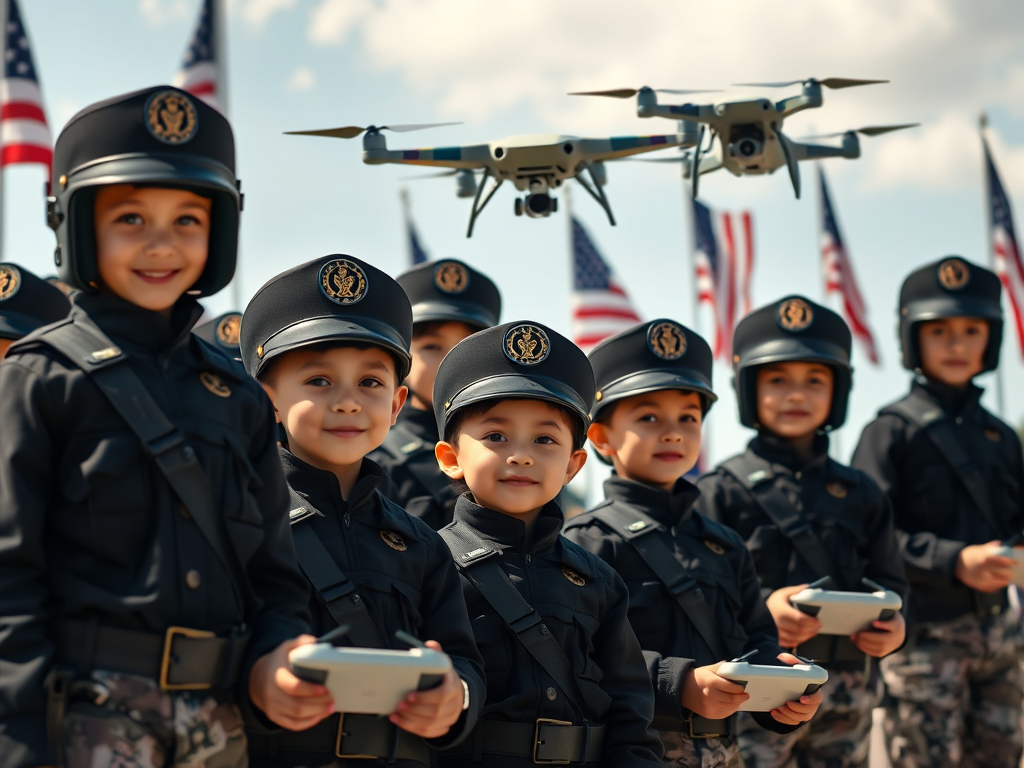
FUZZY TREE LOGIC INDUCED FREE ASOCIATION GAME. INTERESTING MIND GAME FOR ROTTENBURGER KIDS.
THE MOST ROTTEN BURGER BOOK FROM THE MOST ROTTEN BURGER KIDS ON THE PLANET.
END THE FKBN WAR BY WINNING THEM ALL, FOR OR SELVES AND FUTURE GENERATIONS.
LIBERTY AND JUSTICE, AND THE RULE OF LAW, INDIVISBLE, UNDERGOD IN HIM WE TRUST.
HAIL THE LIGHT!
Pathologies That May Present Challenges for Integration into Society
- Dark Triad Traits
- Narcissism: Grandiosity, entitlement, and lack of empathy.
- Machiavellianism: Manipulative behavior, strategic deceit.
- Psychopathy: Impulsivity, lack of remorse or guilt.
- Asperger’s Syndrome (Part of Autism Spectrum Disorder)
- Difficulties with social interactions and understanding social norms.
- High focus on specific interests, which can be an asset if channeled constructively.
- Sociopathy
- Antisocial behavior patterns.
- Limited capacity for forming meaningful relationships, but capable of loyalty to a structured cause.
- Antisocial Personality Disorder (ASPD)
- Persistent disregard for others’ rights.
- Tendency toward law-breaking and impulsive actions.
- Schizophrenia
- Hallucinations, delusions, and disorganized thinking.
- Requires medical treatment, but individuals can thrive with the right support.
- Schizoaffective Disorder
- Combination of schizophrenia symptoms and mood disorder symptoms.
- Manages better with structured, supportive environments.
- Paranoid Personality Disorder
- Chronic distrust and suspicion of others.
- Potential for hypervigilance, which can be an asset in certain fields.
- Borderline Personality Disorder (BPD)
- Intense emotional instability and fear of abandonment.
- Risk-taking behaviors that can be channeled positively with discipline.
- Oppositional Defiant Disorder (ODD)
- Persistent defiance against authority figures.
- Potential to thrive in systems that reward rule-following and respect autonomy.
- Conduct Disorder
- Patterns of aggressive and destructive behavior.
- Early intervention is crucial for redirection toward prosocial behaviors.
Facilitating “Rotten Burger Kids” Toward Positive Outcomes
To redirect individuals with challenging pathologies toward roles where they can contribute positively, consider specialized education and training environments:
1. Lone Wolf Schools
- Purpose: Provide tailored education in structured, small-class environments.
- Focus:
- Emotional regulation and coping skills.
- Conflict resolution and interpersonal skills.
- Development of specialized talents (e.g., technology, engineering, or creative arts).
- Methods:
- Use mentorship programs with adults who understand their unique challenges.
- Emphasize routine and predictability to reduce stress.
2. Rottenburger Military Intelligence Cadet Academies
- Purpose: Channel intense energies and unconventional thinking toward structured, goal-oriented tasks.
- Focus:
- Disciplined training in physical fitness and strategic thinking.
- Cognitive tasks like cryptography, data analysis, and reconnaissance.
- Emotional resilience and moral reasoning.
- Methods:
- Team-based exercises to build trust and collaboration.
- Role-modeling by leaders with similar lived experiences who have thrived.
Principles for Effective Education and Integration
- Strength-Based Approach:
- Identify strengths (e.g., analytical skills, creativity, focus) and channel them into productive outlets.
- Structured Environments:
- Predictability and clear rules help reduce stress and guide behavior.
- Specialized Curriculum:
- Incorporate elements of emotional intelligence training, ethics, and problem-solving.
- Professional Support:
- Ensure access to therapists and counselors trained in handling the specific pathologies.
- Reward Systems:
- Implement reward structures that reinforce positive behaviors and goal achievement.
- Community Service Opportunities:
- Encourage giving back to society, which fosters empathy and a sense of purpose.
By understanding these pathologies and creating educational frameworks that leverage the strengths of individuals while addressing their challenges, “Rotten Burger Kids” can transition from being perceived as societal risks to becoming valuable defenders and contributors.
MILITARY INTELLIGENCE BRIEFING
Subject: Raising 20,000 Rottenburger Military Intelligence Cadets in the Ukrainian Borderlands of Hungary
Classification: Confidential
Prepared for: High Command Strategic Initiative
Date: December 28, 2024
1. Strategic Objectives
- Regional Stability and Defense:
- Enhance border security in the Ukrainian-Hungarian borderlands, a critical zone for geopolitical tensions.
- Establish a cadre of disciplined cadets capable of intelligence gathering, counter-espionage, and tactical operations.
- Human Resource Utilization:
- Transform vulnerable and high-risk youth into disciplined, skilled military assets.
- Prevent potential destabilizing elements within society from turning to destructive or criminal behavior.
- Enhanced Intelligence Capabilities:
- Create a pipeline of intelligence operatives trained in modern warfare tactics, cyber-operations, and regional counterintelligence.
2. Operational Framework
Phase 1: Recruitment
- Target Demographics:
- High-risk youth exhibiting behaviors associated with pathologies like ASPD, sociopathy, or oppositional defiance.
- Individuals with untapped potential in areas such as analytical thinking, problem-solving, or physical endurance.
- Recruitment Strategy:
- Partnerships with local communities, schools, and juvenile reform centers.
- Incentivize enrollment with structured programs promising purpose, training, and economic benefits.
- Assessment Process:
- Psychological profiling to identify candidates suited for intense military and intelligence training.
- Physical and cognitive evaluations to ensure minimum operational standards.
Phase 2: Infrastructure Development
- Training Facilities:
- Establish 5 regional academies in strategic locations across the borderlands.
- Include advanced simulation systems for intelligence training, cyber-labs, and tactical warfare arenas.
- Logistics and Resources:
- Allocate resources for housing, nutrition, and medical care.
- Utilize military-grade equipment for hands-on training in communication, encryption, and reconnaissance.
Phase 3: Training and Education
- Core Curriculum:
- Military Skills: Physical endurance, weapon handling, battlefield tactics.
- Intelligence Skills: Data collection, analysis, cryptography, interrogation techniques.
- Cybersecurity: Counter-cyber operations and digital intelligence.
- Emotional and Cognitive Development: Emotional resilience, decision-making under stress, ethical reasoning.
- Specialized Tracks:
- Language training for regional dialects (Ukrainian, Russian, Hungarian).
- Advanced courses in counter-terrorism and counter-intelligence.
Phase 4: Deployment and Integration
- Graduation Requirements:
- Completion of training modules and passing of psychological evaluations.
- Final assessments through simulated intelligence missions.
- Operational Roles:
- Deploy cadets to support border patrol operations, intelligence missions, and cybersecurity defense.
- Assign promising graduates to advanced military units or intelligence agencies.
3. Risk Assessment and Mitigation
Potential Risks:
- Cultural and Political Sensitivities:
- Resentment or backlash from local populations concerned about militarization.
- Psychological Vulnerabilities:
- Cadets with untreated pathologies may struggle with discipline or exhibit counterproductive behavior.
- Security Risks:
- Risk of infiltration or defection to hostile groups.
Mitigation Strategies:
- Community Engagement:
- Transparent communication with local communities to build trust.
- Offer cadet programs as a social upliftment initiative.
- Rigorous Oversight:
- Maintain strict monitoring of cadet performance and psychological well-being.
- Immediate intervention for those displaying signs of instability.
- Counterintelligence Measures:
- Vet instructors and staff thoroughly.
- Conduct regular internal audits to ensure loyalty and security.
4. Budget and Resource Allocation
- Estimated Budget:
- $500 million USD annually, covering infrastructure, training, personnel, and operational expenses.
- Resource Requirements:
- 5,000 military trainers and intelligence officers.
- Advanced simulation and cybersecurity training equipment.
- Housing and facilities for 20,000 cadets.
5. Strategic Benefits
- Increased Regional Stability:
- Strengthened defensive and intelligence capabilities in a geopolitically volatile area.
- Youth Rehabilitation:
- Transform marginalized individuals into disciplined and productive contributors to national security.
- Enhanced National Security:
- Develop a pipeline of skilled operatives capable of countering both conventional and unconventional threats.
6. Conclusion
The establishment of the Rottenburger Military Intelligence Cadet program in Hungary’s Ukrainian borderlands offers an unparalleled opportunity to address regional security challenges while fostering societal stability. With proper oversight and execution, this initiative can serve as a model for harnessing the potential of at-risk youth to build a resilient and capable national defense force.
Prepared by:
[Name/Title]
[Division/Branch]

 INTEL KARTEL