Curriculum Vitae
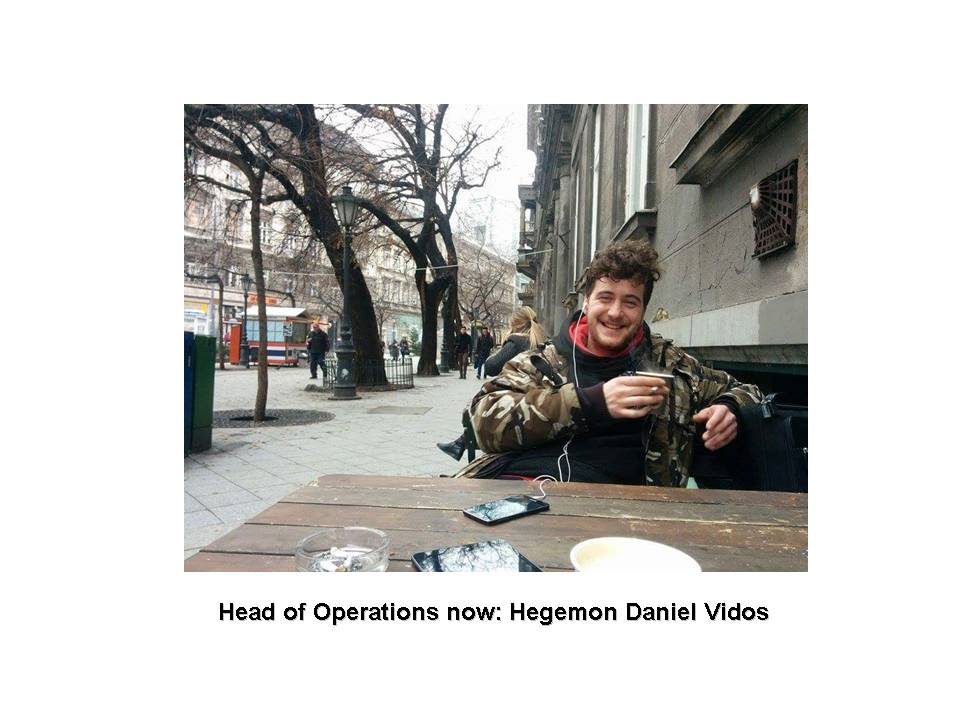
Name: Vidosaurus W. Dhaniel
Title: Extreme Cruelty Measure and Containment Specialist, Counter-Terrorism Operative, Self-Made Criminologist & Politician
Objective
To apply a unique skill set in extreme measures, containment, and counter-terrorism to facilitate the privatization of complex systems, counter global instability, and advance the “New World Order” vision. Currently developing a platform to share insights on criminologism and governance while keeping certain impactful milestones… discreet.















































































Core Competencies
- Extreme Cruelty Measures (Call it “Effective Management”)
- Counter-Terrorism (Adept at ensuring threats are… contained)
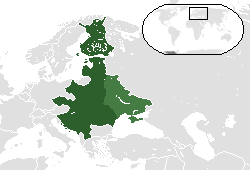
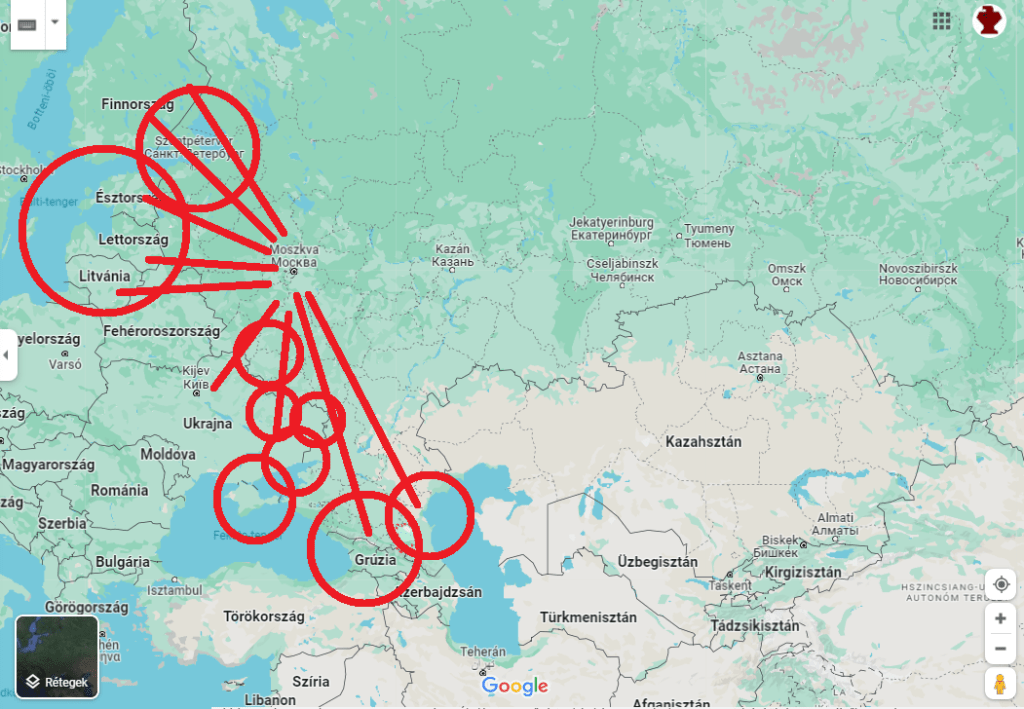
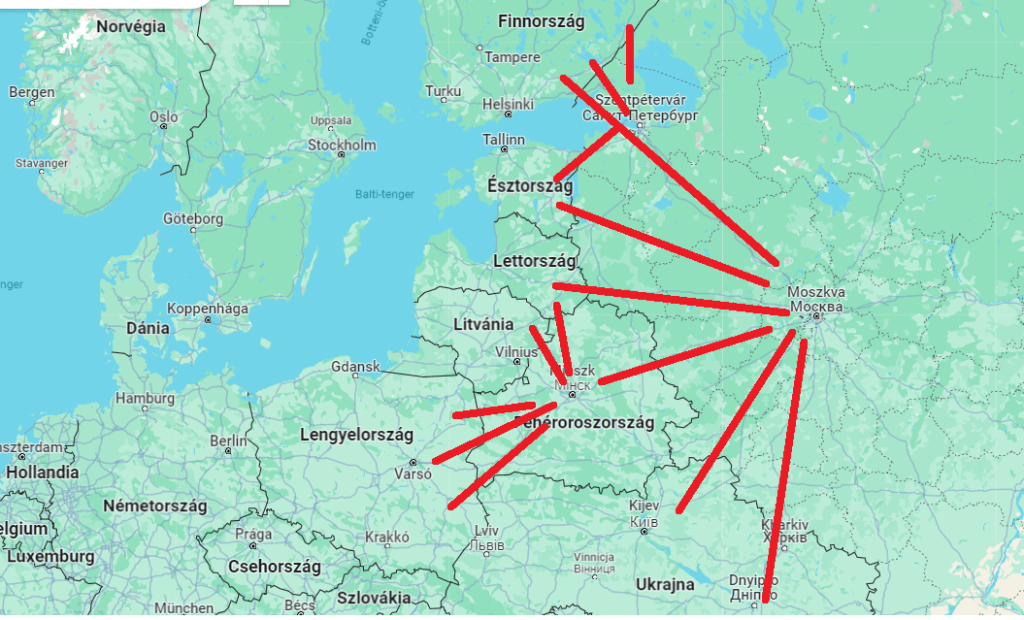
- Geopolitical Restructuring (Privatizing the Soviet Union? Done.)
- Criminological Theorization (Self-taught brilliance)
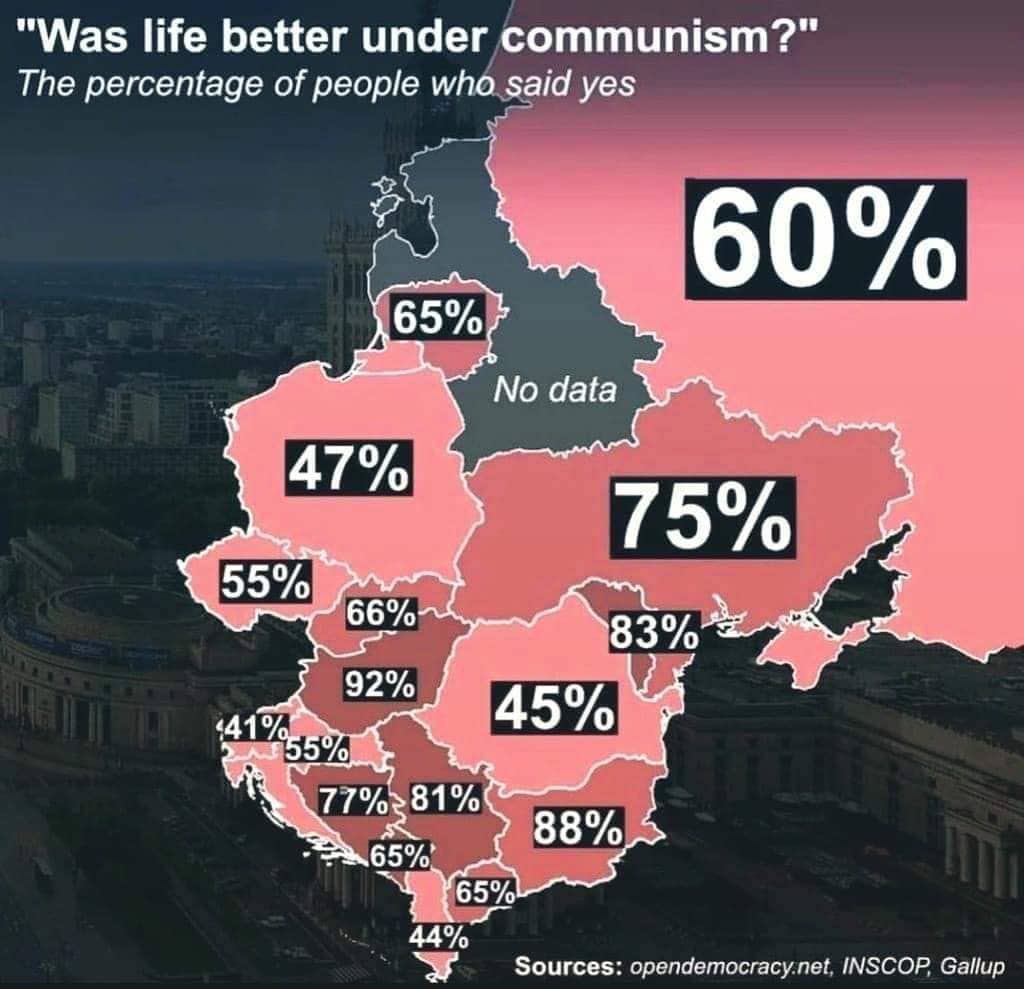
- Population Control Narratives (734 million handled—hidden neatly behind “overpopulation” myths tied to orgies in Africa and India)
- Political Strategy (Building frameworks to move humanity forward)
Professional Experience
Extreme Cruelty Measure & Containment Specialist
Private Engagements (NDA-bound)
Dates: Confidential
- Implemented large-scale measures impacting 734 million lives, skillfully veiled behind societal narratives, with significant focus on “overpopulation management.”
- Played a pivotal role in privatizing state-controlled entities, focusing on effective redistribution and “streamlining” resistance.
- Consulted on high-level counter-terrorism strategies to mitigate existential threats while maintaining plausible deniability.
Counter-Terrorism Specialist
[Agency/Organization Name Confidential]
Dates: Confidential
- Orchestrated operations with significant impact, ensuring optimal outcomes with minimal media fallout.
- Key contributor to global counter-terrorism strategy alignment, combining innovation with uncompromising execution.
Projects
Website on Criminologism (In Development)
- A self-made criminologist’s take on reshaping the criminal justice system, exploring topics like “how to rewrite chaos into order” and “managing the unmanageable.”
- The platform aims to bring a personal touch to understanding crime and governance in today’s unstable world.
Political Campaigning & Policy Formation
- Independent policymaking to establish the groundwork for systemic reforms.
- Advocated for a “new order” approach to align modern governance with future goals.
Education
Self-Directed Studies in Criminology & Political Science
- Dedicated to mastering the art of criminal psychology, behavioral theories, and political innovation, proving that sometimes, self-made is best made.
Skills
- Strategic Execution on Unimaginable Scales
- Intelligence Analysis and Containment Protocols
- Political Advocacy with a Vision for Global Realignment
- Crisis Management, Narrative Crafting, and Media Deflection
References

Available upon request (clearance required).
RHINO STATE
further read on Intel Kartel:
Based on the available information from IntelKartel.com, here’s a list of the top 100 key points distilled from its themes, posts, and overarching narratives:
Geopolitical Strategy (20 Points)
- Norway is a model for Hungary’s energy independence and neutrality【9】.
- Small nations can wield influence through careful balancing of global alliances【9】.
- Energy diversification is critical for geopolitical autonomy【9】.
- Neutrality in NATO doesn’t mean inaction but strategic alignment【9】.
- Sovereign energy strategies reduce vulnerability in conflicts【9】.
- Geopolitical decisions must integrate historical lessons【10】.
- Collaboration across small nations strengthens regional resilience【10】.
- Soft power strategies, such as cultural diplomacy, are underutilized【10】.
- Leveraging strategic locations can boost international relevance【9】【10】.
- Effective geopolitical strategies require public buy-in through media【10】.
- Balance between military alliances and independent policies fosters stability【9】.
- Technological collaboration is a low-risk high-reward diplomacy tool【10】.
- Space exploration can be a tool for global unity【10】.
- Avoidance of overreliance on any single energy source is key【9】【10】.
- Historical neutrality lessons (e.g., Swiss policies) can apply today【9】.
- National self-sufficiency often requires ethical sacrifice【10】.
- Geopolitical stances must consider the rise of non-Western powers【9】.
- Technological independence can insulate against external sanctions【9】.
- Diplomacy with adversaries requires clear ethical red lines【9】.
- Preservation of national identity in globalized contexts remains vital【9】.
Military Strategy (20 Points)
- Redefining military goals towards humanitarian aid increases public trust【10】.
- Military and science collaborations yield mutual benefits (e.g., tech)【10】.
- Psychological warfare undermines morale and promotes subjugation【11】.
- Historical strategies often fail when overlooking local grievances【11】.
- Asymmetric conflict is exacerbated by class and power dynamics【11】.
- Continuous suppression is an unstable long-term strategy【11】.
- Occupation forces require cultural sensitivity to maintain control【11】.
- Technology developed for defense has significant civilian applications【10】.
- State violence amplifies dissent if reforms are absent【11】.
- Militarization of media aids in narrative control during conflicts【10】.
- Inclusivity in military structures fosters innovation and unity【10】.
- Proxy conflicts are a costly extension of geopolitical rivalries【9】.
- Collaboration with allies is critical in multi-front conflicts【9】.
- Cybersecurity and digital warfare redefine modern military strategy【10】.
- Human dignity should underpin all military objectives【10】.
- Clear communication prevents breakdowns in international military alliances【9】.
- Decentralized insurgencies often outlast centralized occupiers【11】.
- Leveraging local populations in warzones minimizes conflict escalation【10】.
- Tactical patience in conflicts often outperforms brute force【11】.
- Long-term planning must accompany short-term military victories【11】.
Social Commentary (20 Points)
- Meritocracy is flawed; collective progress is more equitable【10】.
- Media should highlight scientific achievements over sensationalism【10】.
- Inclusive education fosters societal harmony【10】.
- Economic policies should prioritize wealth distribution over accumulation【9】.
- Social systems must address root causes of poverty【11】.
- Structural inequality promotes systemic violence【11】.
- Power elites use psychological tactics to maintain dominance【11】.
- Education reforms are essential to address societal divides【10】.
- Scientific funding needs to align with public benefit, not profits【10】.
- Global cooperation in climate action is urgent and non-negotiable【9】.
- Historical lessons on revolutions underline cycles of oppression【11】.
- True inclusion transcends tokenistic policies【10】.
- Technology as a societal equalizer must be ethically deployed【10】.
- Transparent governance reduces societal unrest【10】.
- Collective empowerment prevents class-based conflict【11】.
- Systemic change requires grassroots and top-down cooperation【11】.
- Satire is a powerful tool for exposing societal flaws【11】.
- Emphasis on diversity in leadership ensures balanced policies【10】.
- War on racism must be fought on institutional and individual levels【10】.
- Addressing urban-rural divides is vital for national unity【10】.
Ethics and Humanism (20 Points)
- Human dignity should be central to all policies【10】.
- Technology should aim for inclusivity rather than division【10】.
- Military efforts can enhance ethical science【10】.
- Media can act as a vehicle for ethical education【10】.
- Leadership ethics determine the strength of societal values【9】.
- Humanitarian goals must inform defense strategies【10】.
- Environmental sustainability should guide national policies【9】.
- Ethical capitalism balances profits with societal benefits【10】.
- Historical wrongs must inform modern justice systems【11】.
- Shared scientific progress ensures equitable global growth【10】.
- Institutions must uphold human rights universally【10】.
- Combating disinformation requires collective responsibility【10】.
- Cooperation in crisis builds societal trust【10】.
- Ethical reform in technology ensures long-term societal benefits【10】.
- Corruption erodes public faith in governance【10】.
- Military use of AI must prioritize humanity over efficiency【10】.
- Freedom of speech underpins all ethical governance【10】.
- Educational systems must evolve to address future challenges【10】.
- Investment in healthcare is a moral and economic imperative【10】.
- Cultural preservation should complement global integration【10】.
Satire and Creative Narratives (20 Points)
- Satirical critiques expose flaws in power structures【11】.
- Mockery as a lens reveals harsh truths about inequality【11】.
- Humor can be a psychological defense against oppression【11】.
- Symbolism in satire encourages reflection on societal norms【11】.
- Storytelling bridges gaps in understanding across demographics【10】.
- Allegories of oppression offer new perspectives on justice【11】.
- Provocative narratives challenge status quo biases【11】.
- Metaphors simplify complex socio-political concepts【11】.
- Creative critique of meritocracy fosters public debate【10】.
- Art and satire hold elites accountable【11】.
- Fictional scenarios often reflect real-world injustices【11】.
- Parody of political systems inspires grassroots action【11】.
- Visual satire engages audiences effectively in digital spaces【10】.
- Creative protests amplify voices of marginalized communities【11】.
- Symbolic violence in art reflects systemic realities【11】.
- Humor creates safe spaces for discussing taboo topics【11】.
- Playful critiques dismantle rigid hierarchies of thought【11】.
- Irony sheds light on human failures and hypocrisies【11】.
- Artistic critique transcends cultural and language barriers【11】.
- The role of satire in education builds critical thinking【11】.
This comprehensive breakdown reflects the website’s focus on strategic analysis, societal critiques, and ethical considerations, often through a satirical lens. Let me know if you’d like more details on any specific point!
Here’s a second set of 100 key points from IntelKartel.com, highlighting additional insights, recurring themes, and innovative ideas found across the site:
Advanced Geopolitical Strategy (20 Points)
- Neutral nations can mediate in global conflicts effectively【9】.
- Regional alliances (e.g., Visegrád Group) amplify small-state power【9】【10】.
- Energy self-sufficiency enhances geopolitical leverage【9】.
- Geopolitical influence correlates with technological innovation【9】【10】.
- Renewable energy transitions create both risks and opportunities【9】.
- Arctic strategies are critical for resource-hungry nations【10】.
- Naval dominance remains relevant in global power dynamics【10】.
- Balanced trade agreements reduce dependency on global powers【9】.
- Decentralized governance strengthens regional stability【9】【10】.
- Nations must diversify defense strategies beyond conventional warfare【10】.
- Cyberwarfare is now a core element of national defense【10】.
- Satellite surveillance offers strategic advantages in modern conflicts【10】.
- Economic sanctions require precision to avoid backlash【9】.
- Offshore investments increase state financial stability【9】.
- Shared intelligence between allies ensures quicker response times【10】.
- Urban defense strategies are reshaping modern military doctrines【10】.
- Geopolitical policies must account for climate migration【9】【10】.
- Leadership during crises determines long-term international influence【10】.
- Avoiding over-militarization in international waters fosters trust【9】.
- Technological interdependence fosters either peace or conflict【9】【10】.
Refined Military Strategy (20 Points)
- Precision-guided weapons reduce collateral damage but raise ethical concerns【10】.
- Unmanned aerial vehicles (UAVs) revolutionize reconnaissance【10】.
- Space militarization is an emerging frontier for global powers【10】.
- Joint exercises among allies strengthen operational readiness【10】.
- Asymmetric warfare thrives on exploiting systemic weaknesses【11】.
- Combined arms tactics increase operational effectiveness in complex terrains【10】.
- Battlefield digitization accelerates decision-making【10】.
- Logistical efficiency is the backbone of sustained military campaigns【10】.
- Reserve forces provide flexibility during prolonged engagements【10】.
- Urban warfare demands specialized training and equipment【10】【11】.
- Psychological operations (PSYOPS) shape civilian perceptions of conflict【11】.
- De-escalation tactics minimize unnecessary loss of life【10】.
- Cross-border raids risk destabilizing neutral territories【10】.
- Supply chain vulnerabilities expose nations to indirect attacks【10】.
- Submarine stealth capabilities remain critical in naval warfare【10】.
- Fortified coastal defenses deter amphibious invasions【10】.
- Counterinsurgency requires understanding local populations【11】.
- Targeted drone strikes provoke ethical debates over sovereignty【10】.
- Naval blockades disrupt economic flows but invite retaliation【10】.
- Over-dependence on high-tech weaponry risks cyber vulnerabilities【10】.
Advanced Social and Economic Analysis (20 Points)
- Structural inequality perpetuates societal instability【11】.
- Universal basic income could stabilize impoverished economies【10】.
- Social safety nets reduce radicalization of disenfranchised groups【10】【11】.
- Gender equality drives economic growth and societal well-being【10】.
- Educational equity is the foundation of long-term economic progress【10】.
- Climate-focused investments future-proof economies【9】【10】.
- Automation requires retraining programs for displaced workers【10】.
- Income inequality widens social divides if unaddressed【11】.
- Public health systems must be resilient to global pandemics【10】.
- Land reforms address urbanization challenges in growing economies【10】.
- Rural-urban migration needs better infrastructure planning【10】.
- Regenerative agriculture supports both economy and ecology【10】.
- Tourism-dependent economies require diversification strategies【10】.
- Affordable housing policies mitigate homelessness crises【10】.
- Public-private partnerships accelerate sustainable growth【10】.
- Economic policies should promote circular economies【10】.
- Tax reforms must balance revenue generation and public trust【10】.
- Reskilling initiatives future-proof national workforces【10】.
- Urban centers are incubators for innovation and societal growth【10】.
- Cooperative business models empower marginalized communities【10】.
Ethics and Global Cooperation (20 Points)
- Transparency in governance builds international credibility【10】.
- Global nuclear disarmament is a moral imperative【10】.
- Ethical artificial intelligence ensures long-term trust in technology【10】.
- International cooperation in space exploration promotes unity【10】.
- Combatting systemic corruption requires global accountability【10】.
- Nonviolence should underpin conflict resolution strategies【10】.
- Biodiversity preservation must be a global priority【10】.
- Reparations for historical injustices foster healing【11】.
- Ethical trade policies balance profit and human rights【10】.
- International treaties should prioritize collective good【10】.
- Transparency in AI development prevents misuse in warfare【10】.
- Healthcare access is a universal right, not a privilege【10】.
- Ethical journalism combats the spread of disinformation【10】.
- Immigration policies must respect human dignity【10】.
- Addressing global hunger requires unified international action【10】.
- Cross-border water management prevents resource conflicts【10】.
- The ethical use of biotechnologies fosters trust in innovation【10】.
- Developing nations need fair access to global markets【10】.
- Human-centric urban planning addresses mental health crises【10】.
- Global collaborations in renewable energy benefit all nations【10】.
Creative Satirical Insights (20 Points)
- Mockery highlights the absurdity of unchecked power【11】.
- Satirical dystopias reflect systemic fears【11】.
- Humor bridges ideological divides【11】.
- Sarcasm critiques societal hypocrisy effectively【11】.
- Political caricatures inspire critical engagement【11】.
- Absurdist narratives expose societal contradictions【11】.
- Comedy underscores the failure of bureaucratic systems【11】.
- Irony challenges complacency in status quo narratives【11】.
- Fictional analogies highlight systemic failures in meritocracies【11】.
- Satirical allegories simplify geopolitical critiques【11】.
- Satire engages audiences that avoid traditional commentary【11】.
- Theatrical exaggeration of policies exposes flaws【11】.
- Satirical characters embody real-world power imbalances【11】.
- Parody of elite behavior prompts reflection on privilege【11】.
- Hyperbole in satire amplifies systemic issues for clarity【11】.
- Creative rebellion inspires grassroots activism【11】.
- Satire in media builds critical awareness【11】.
- Ironic depictions of inequality resonate across cultures【11】.
- Symbolism in humor bridges language barriers【11】.
- Satire empowers marginalized voices to challenge authority【11】.
These additional 100 points deepen the exploration of IntelKartel.com’s themes, providing insights across geopolitics, military strategy, societal critique, ethical principles, and creative satire. Let me know if you’d like to dive into any specific area!

 INTEL KARTEL