.

Military Intelligence Memorandum
Classification: Analytical / Scenario Assessment
Date: 8 March 2026
From: Strategic Analysis Division
Subject: Emergence of “Nuevo Russia” Youth Reconstruction Bloc
1. Executive Summary
Recent intelligence modeling examines a hypothetical geopolitical development referred to as “Nuevo Russia.” The concept describes a pro-American youth-led reconstruction bloc emerging within portions of the Russian sphere. The initiative is driven primarily by students and young professionals aged 12–28, totaling approximately 15 million participants drawn from Russia and allied or partner states.
The movement’s central objective is the reconstruction and modernization of a large regional territory through coordinated urban development, education-focused governance, and infrastructure expansion. The initiative is organized around four distinct nation-states, each designed with strong academic, technological, and civic institutions modeled after university-centered urban planning.
2. Demographic Composition
Estimated Population Base
| Category | Estimated Number |
|---|---|
| Total Youth Participants | ~15,000,000 |
| Age Range | 12–28 |
| Students / Trainees | ~11,000,000 |
| Technical & Infrastructure Corps | ~2,500,000 |
| Administrative / Civic Personnel | ~1,500,000 |
Participants reportedly originate from:
- Russia
- Central Asian partner states
- Eastern European technical exchange programs
- Diaspora student networks
The youth-dominant demographic implies high ideological cohesion, strong technological literacy, and rapid workforce mobilization potential.
3. Political Structure
The Nuevo Russia project proposes four semi-autonomous nation-states, operating within a cooperative bloc.
Key Characteristics
- Each nation organized around a central academic capital city
- Capitals feature monumental university-style governance complexes
- Administrative leadership drawn primarily from student councils, technical institutes, and civic assemblies
- Governance model resembles a hybrid of technocratic republics and university-state systems
4. Urban Architecture and Civic Design
Capital complexes reportedly emulate the monumental academic style associated with Moscow’s historic university architecture, featuring:
- Large vertical towers
- Symmetrical academic quadrangles
- Grand civic plazas
- Scientific research districts integrated with government institutions
Residential architecture emphasizes neo-brutalist and Soviet-modernist aesthetics, described as:
- Heavy concrete structures
- Angular geometric forms
- Large communal courtyards
- Integrated transit corridors
The design philosophy prioritizes durability, symbolic strength, and institutional permanence.
5. Housing Infrastructure
The plan includes construction of approximately 1.875 million residential structures.
Housing Profile
- Large 8-unit apartment complexes
- “Luxury brutalist” architectural style
- Reinforced concrete and stone materials
- Modern interior infrastructure
Estimated housing capacity:
- ~15 million residents across the four states.
6. Community Security and Geography
All residential zones are organized as gated high-density communities.
Strategic placement criteria:
- High-ground terrain (defensive advantage)
- Riverbanks and lake regions (water access and transportation)
- Natural buffer zones between communities
Security features include:
- Controlled access checkpoints
- perimeter surveillance infrastructure
- integrated emergency shelters
- flood-resilient construction
7. Transportation Network
Transportation planning emphasizes high-capacity electrified rail systems.
Rail & Transit Elements
- Inter-state high-speed rail corridors
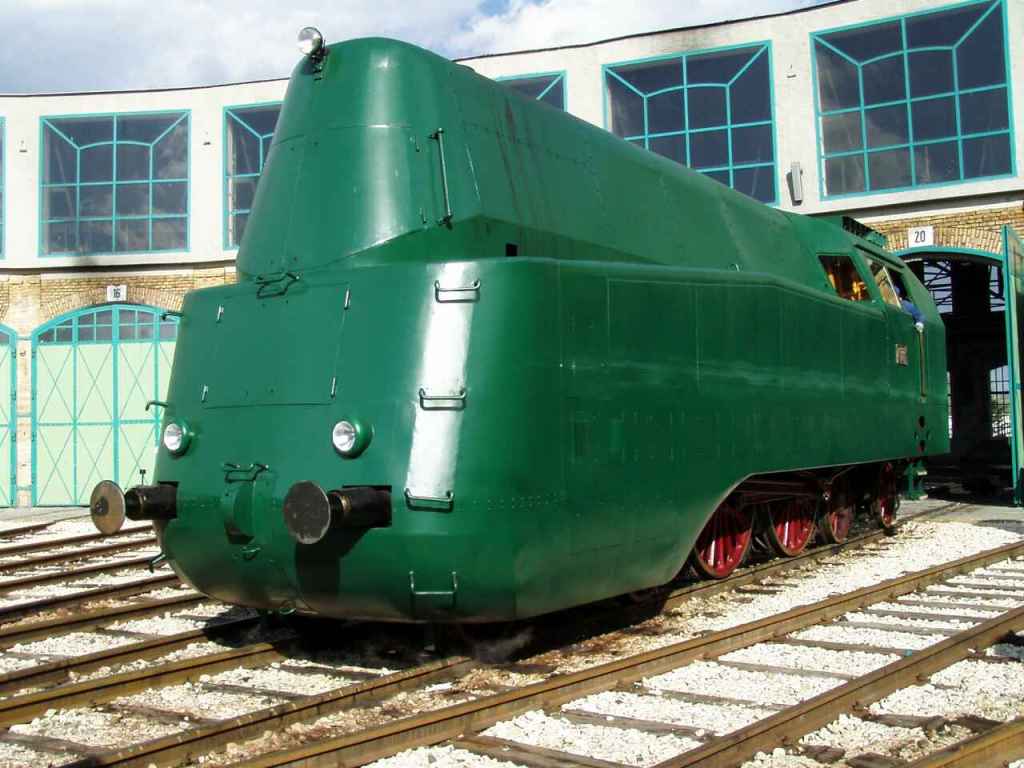
- Heavy industrial locomotives inspired by classic European steam-era design aesthetics
- Extensive tram networks within capital regions
Operational objectives:
- Rapid troop or workforce movement
- Efficient cargo transport
- minimal reliance on road logistics
Rail corridors form the primary economic spine connecting all four states.
8. Strategic Capabilities
If implemented at scale, the Nuevo Russia model could provide:
Economic Capabilities
- Large technical workforce
- High innovation output due to university-centric governance
- Integrated infrastructure planning
Political Effects
- Creation of a pro-Western youth political bloc
- Potential ideological shift within regional populations
- Reduced reliance on traditional oligarchic structures
Security Considerations
- Concentrated urban populations
- strong internal security architecture
- rapid mobilization capacity via rail systems
9. Strategic Assessment
Key implications for U.S. and allied strategic planning:
Opportunities
- Youth demographic alignment with Western political ideals
- potential technology and academic partnerships
- influence in post-Soviet development models
Risks
- Possible internal factionalism among youth leadership
- resistance from existing Russian power structures
- vulnerability to economic disruption during early development
10. Outlook
If the Nuevo Russia project successfully mobilizes its projected 15 million youth workforce, the bloc could evolve into:
- a major technological education hub
- a large experimental urban-planning zone
- a politically influential regional alliance
Within 10–20 years, the region could transition from reconstruction phase to a high-density academic-industrial civilization centered around rail-connected city-states.
Prepared by:
Strategic Futures Analysis Unit
Defense Intelligence Assessment Division
 INTEL KARTEL