
Mit tudunk a rendorokrol akik futtatjak a korrupt Magyarorszag gengszter allamjat?
INTELLIGENCE MEMORANDUM
Subject: Estimated Size of German and Hungarian Security Communities
Date: 25 AUG 2025
Classification: UNCLAS / OPEN SOURCES
1. Executive Summary
Open-source reporting indicates that Germany maintains a significantly larger security apparatus than Hungary, with total police and armed forces personnel exceeding 560,000. When accounting for households, the extended community approximates 1.1–1.2 million. Hungary’s comparable figure is ~70,000 armed forces and police, extending to ~160k–190k with families. Intelligence service staffing remains largely undisclosed, with only the German BND publishing partial numbers.
2. Germany
- Police Forces (Federal + Länder): ~300,000–340,000 sworn personnel (Eurostat 2023 baseline).
- Bundeswehr (military): 260,000 total (≈181k uniformed, ≈81k civilian).
- Intelligence Community:
- BND (foreign intel): ~7,200 positions (with vacancies).
- BfV (domestic security) / MAD (military counterintelligence): headcounts not published.
- Diplomatic Corps: ~230 missions worldwide (personnel total classified/not publicly enumerated).
- Families/Household Impact: Multiplier ~2.0 persons per household (Germany average).
Subtotal incl. families: 1.13M–1.22M persons connected directly to police, military, BND.
3. Hungary
- Police Forces: ~30,000–40,000 officers (ranges based on Eurostat + Hungarian press).
- Armed Forces (Magyar Honvédség): ~41,600 active duty, ~20,000 reserves.
- Intelligence Services (AH, TEK, IH, KNBSZ): no public headcount available.
- Diplomatic Corps: global network; no consolidated staff figure in public domain.
- Families/Household Impact: Avg. household size ~2.3–2.4.
Subtotal incl. families: ~164k–196k persons connected to police + military.
4. Comparative Totals
- Germany (defensible open-source categories): 1.13M–1.22M persons incl. families.
- Hungary: 164k–196k persons incl. families.
- Combined Total (Germany + Hungary): ~1.29M–1.41M.
5. Key Caveats
- Intelligence service staffing (Hungarian services, German BfV/MAD) is classified; estimates excluded.
- “Connected intellectuals,” “industrial complex,” and lobbying communities cannot be credibly quantified from open sources.
- Household multipliers are approximations; they assume national averages, not actual dependent ratios in uniformed families.
Assessment:
Germany possesses a far larger and more visible police/military/intelligence footprint than Hungary, both in absolute manpower and in societal reach. Hungarian numbers are modest but proportionally significant to its population (~10M). Intelligence and “national security” elements remain opaque; any attempts at precise quantification risk overstatement.
2026 rendszer valtas? Vagy Stabilan Orban?
🚨 Family Members of a Police Officer
Immediate Family:
- Police Officer’s Spouse (husband/wife/partner)
- Police Officer’s Child (son/daughter)
- Police Officer’s Mother
- Police Officer’s Father
- Police Officer’s Brother / Sister
- Police Officer’s Step-parent
- Police Officer’s Step-child
- Police Officer’s Step-sibling
Extended Family:
- Police Officer’s Grandparent
- Police Officer’s Grandchild
- Police Officer’s Aunt / Uncle
- Police Officer’s Niece / Nephew
- Police Officer’s Cousin
- In-laws (e.g., mother-in-law, brother-in-law)
Other Possible Family Connections:
- Police Officer’s Guardian (if raised by someone other than parents)
- Police Officer’s Foster Parent / Foster Child
- Police Officer’s Adoptive Parent / Adopted Child
- Police Officer’s Domestic Partner (unmarried but cohabiting)
🧑✈️ Professional & Operational Connections of a Police Officer
Within the Police Department:
- Police Partner (patrol partner or detective partner)
- Police Chief / Commissioner
- Sergeant / Lieutenant / Captain
- Police Academy Instructor / Recruit Trainer
- Fellow Officer / Squad Member
- Internal Affairs Officer
- Desk Sergeant / Dispatcher
Special Roles or Units:
- K9 Handler
- Bomb Squad Member
- SWAT Team Member
- Undercover Officer
- Crime Scene Investigator (CSI)
- Evidence Technician
External Professional Connections:
- Police Liaison Officer (school, community, etc.)
- Community Support Officer (CSO)
- Police Psychologist / Counselor
- Police Union Representative
- Court Officer / Bailiff
- Prosecutor / District Attorney
- Public Defender / Defense Attorney
- Parole / Probation Officer
- Federal Agent (FBI, DEA, etc.)
- Coroner / Medical Examiner
Operational & Civilian Collaborators:
- Confidential Informant (CI)
- Police Handler (for informants or undercover officers)
- Crime Analyst
- Forensic Scientist
- Victim Advocate
- Crisis Negotiator
- Interpreter / Translator (for cases)
- Social Worker (working with victims or vulnerable populations)
- Journalist / Media Liaison
- Community Leader / Activist
- Neighborhood Watch Member
👮 Other Police-Related or Law Enforcement Ties
- Retired Police Officer (possibly a mentor or family)
- Police Cadet / Trainee (could be a child or relative)
- Officer Killed in Line of Duty (family could be involved in police memorials or benefits)
- Police Widow(er)
- Officer’s Former Partner (retired or transferred)
- Officer’s Therapist / Peer Support Counselor
TISZTELT OLVASÓ, SÖTÉT HUMOR: ÖNNEK TŐLEM, ÉS A MESTERSÉGES INTELLIGENCIÁTÓL.
ITT NEZELODJ, HATHA TANULSZ VALAMIT, HA MAR A SULIBAN CSAK CSELLENGTEL.
Common Hungarian Police Terms
- Rendőrség – Police
- Rendőr – Police officer
- Bűnügyi – Criminal investigation
- Járőr – Patrol officer
- Közlekedési rendőr – Traffic officer
- Bűnügyi nyomozó – Detective
- Feljelentés – Report (e.g., to report a crime)
- Bűncselekmény – Crime
- Gyanúsított – Suspect
- Tanú – Witness
- Elfogás – Arrest
- Őrizetbevétel – Detention
- Kihallgatás – Interrogation
- Súlyos bűncselekmény – Serious crime
- Kisebb bűncselekmény – Minor crime
- Jogosítvány – Driver’s license
- Közlekedési szabályszegés – Traffic violation
- Feltartóztatás – Stop (e.g., stopping a vehicle)
- Képességellenőrzés – Breathalyzer test
- Sürgősségi hívás – Emergency call
Examples of Hungarian Police Codes
Police codes in Hungary may not be as standardized as in some other countries, and they can be specific to particular departments or regions. Here are a few general examples:
- 10-1 – Unable to copy (communication issue)
- 10-4 – Acknowledged
- 10-7 – Out of service
- 10-8 – In service
- 10-9 – Repeat
- 10-20 – Location
- 10-21 – Call by telephone
- 10-22 – Disregard previous message
- 10-33 – Emergency
- 10-36 – Correct time
Common Phrases Used in Police Work
- “Kérem, álljon meg!” – “Please stop!” (often used when stopping a vehicle)
- “Jogosítványt és forgalmi engedélyt kérek.” – “I need your driver’s license and registration.”
- “Ön van a gyanúsított.” – “You are the suspect.”
- “Kérem, várjon itt!” – “Please wait here!”
- “Mit tett?” – “What did you do?”
- “Melyik autó volt az?” – “Which car was it?”
This list provides a starting point, but the actual codes and terms might be more detailed or specific depending on the context and location within Hungary. If you have any particular codes or terms you’re interested in, let me know!
Certainly! Here’s an even more comprehensive list of Hungarian police terminology, phrases, and specialized terms, including some additional aspects of law enforcement, crime prevention, and operational procedures.
Expanded Police Terms
- Közbiztonság – Public safety
- Helyszíni vizsgálat – On-site examination
- Sürgősségi szolgáltatások – Emergency services
- Sajátos ügyek – Special cases
- Fegyelmi eljárás – Disciplinary procedure
- Eljárási kötelezettség – Procedural obligation
- Bűncselekmény bejelentése – Crime reporting
- Jogvédelmi biztos – Ombudsman for legal protection
- Előzetes letartóztatás – Pre-trial detention
- Kézben tartás – Custody
Advanced Law Enforcement Commands and Requests
- “Kérjük, azonnal mutassa be a személyazonosítót!” – “Please immediately present your ID!”
- “A jármű átkutatása folyamatban van.” – “The vehicle is currently being searched.”
- “Ne hagyja el a helyszínt, amíg meg nem érkezünk!” – “Do not leave the scene until we arrive!”
- “Kérem, ne próbáljon meg eltűnni!” – “Please do not attempt to disappear!”
- “Tájékoztatjuk a jogairól.” – “We will inform you of your rights.”
- “Kérjük, ne beszéljen az ügy részleteiről senkivel.” – “Please do not discuss the details of the case with anyone.”
- “Azonnal értesítjük az ügyvédet.” – “We will notify your lawyer immediately.”
Specialized Law Enforcement Terms
- Szekrénykutatás – Cabinet search (searching for evidence in storage)
- Személyazonosság-ellenőrzés – Identity verification
- Súlyos bűncselekmény – Serious crime
- Hálózati bűnözés – Network crime (cybercrime)
- Terrorizmus-ellenes művelet – Anti-terror operation
- Fegyveres rendészeti feladatok – Armed law enforcement tasks
- Fizikai erő alkalmazása – Use of physical force
- Helyszíni nyomozás – Crime scene investigation
- Bűnügyi szakértő – Forensic expert
- Eljárási jogok – Procedural rights
Court and Legal Procedures
- Kifogás – Objection (legal)
- Fellebbviteli bíróság – Appellate court
- Védői nyilatkozat – Defense statement
- Bírósági ítélet – Court verdict
- Tárgyalás előkészítése – Trial preparation
- Bírósági határozat – Court decision
- Tárgyalási jegyzőkönyv – Court record
- Ügyvéd – Lawyer/attorney
- Bírósági végzés – Court order
- Pénzbírság – Monetary fine
Crime Scene and Evidence Terms
- A bűnügyi nyomok rögzítése – Recording crime scene evidence
- Bizonyítékok gyűjtése – Collection of evidence
- Eljárási jelentés – Procedural report
- Fizikai bizonyítékok – Physical evidence
- Tárgyi bizonyíték – Tangible evidence
- DNA-minta – DNA sample
- Ujjlenyomat mintavétel – Fingerprint collection
- Térképes nyomozás – Mapping investigation (using maps for crime scene layout)
- Videómegfigyelés – Video surveillance
- Hangfelvétel – Audio recording
Traffic-Related Terms
- Baleseti helyszín biztosítása – Securing the accident scene
- Sebességkorlátozó táblák – Speed limit signs
- Jármű-azonosító szám – Vehicle identification number (VIN)
- Forgalmi bírság – Traffic fine
- Helyszíni teszt – Field test (e.g., sobriety test)
- Vészjelző lámpa – Emergency lights
- Baleseti jegyzőkönyv – Accident report
- Forgalmi baleseti jelentés – Traffic accident report
- Rendszám-ellenőrzés – License plate check
- Szabályszegési nyomozás – Violation investigation
Operational Procedures and Tactics
- Bevetési terv – Operational plan
- Kockázatértékelés – Risk assessment
- Stratégiai elemzés – Strategic analysis
- Taktikai művelet – Tactical operation
- Műveleti irányítás – Operational command
- Rendészeti taktikák – Law enforcement tactics
- Helyszíni irányítás – Scene command
- Különleges beavatkozási egység – Special intervention unit
- Védelmi intézkedések – Protective measures
- Műveleti támogatás – Operational support
If you need more details on any specific aspect or additional terms, just let me know!
Absolutely, here’s a further expansion on Hungarian police terminology, including more specialized terms, advanced procedures, and broader categories related to law enforcement and public safety.
Specialized Law Enforcement Terms
- Kényszerítő intézkedés – Coercive measure
- Tömegoszlatás – Crowd dispersal
- Különleges beavatkozási egység – Special intervention unit
- Egyedi azonosító szám – Unique identifier number
- Biztonsági intézkedések – Security measures
- Képzési program – Training program
- Szakmai etika – Professional ethics
- Különleges feladatok – Special assignments
- Biztonsági protokoll – Security protocol
- Külső beavatkozás – External intervention
Investigation and Evidence Terms
- Módszertani irányelvek – Methodological guidelines
- Bűnügyi mintavétel – Forensic sampling
- Forensic technológia – Forensic technology
- Számítástechnikai nyomozás – Computer forensics
- Videóelemzés – Video analysis
- Hírszerzés – Intelligence gathering
- Tárgyi bizonyítékok elemzése – Analysis of physical evidence
- Kriminalisztikai kutatás – Criminalistics research
- Vádirati anyag – Indictment materials
- Tükrözés – Reflection (analysis of data or evidence)
Court and Legal Procedures
- Bírósági végrehajtás – Court enforcement
- Kérelmezői nyilatkozat – Petitioner’s statement
- Jogorvoslat – Legal remedy
- Vádlott képviselete – Defendant representation
- Szakértői vélemény – Expert opinion
- Jogorvoslati lehetőségek – Appeals process
- Fellebbviteli tárgyalás – Appellate hearing
- Panaszbejelentés – Complaint report
- Jogi képviselet – Legal representation
- Bírósági döntés – Judicial decision
Operational Procedures
- Krízishelyzet kezelése – Crisis management
- Taktikai elemzés – Tactical analysis
- Járőrszolgálat – Patrol service
- Operatív egység – Operational unit
- Szervezett bűnözés elleni küzdelem – Organized crime prevention
- Műveleti felügyelet – Operational oversight
- Külső megfigyelés – External surveillance
- Rendvédelmi intézkedések – Law enforcement measures
- Járőri feladatok – Patrol duties
- Különleges beavatkozás – Special intervention
Traffic Enforcement Terms
- Állapotellenőrzés – Condition check
- Forgalmi terhelés – Traffic load
- Közlekedési baleseti helyszíni vizsgálat – Traffic accident scene examination
- Közlekedési szabályok betartása – Compliance with traffic rules
- Sebességkorlátozó berendezések – Speed control devices
- Közlekedési áramlás – Traffic flow
- Forgalomirányítási rendszerek – Traffic management systems
- Baleseti statisztikák – Accident statistics
- Közlekedési jogsértések – Traffic violations
- Járműbiztonsági ellenőrzés – Vehicle safety check
Community and Public Safety
- Közösségi rendőrség – Community policing
- Bűnmegelőzési programok – Crime prevention programs
- Közbiztonsági előadások – Public safety briefings
- Lakossági tájékoztatás – Public information
- Társadalmi együttműködés – Community cooperation
- Közösségi együttműködés – Community collaboration
- Bűnmegelőzési stratégia – Crime prevention strategy
- Közbiztonsági intézkedések – Public safety measures
- Önkéntes rendőrök – Volunteer police officers
- Képzési és tudatossági programok – Training and awareness programs
Advanced Technical and Forensic Terms
- Bűnügyi kémiai elemzés – Criminal chemical analysis
- Kriminalisztikai nyomozás – Forensic investigation
- Genetikai profilalkotás – Genetic profiling
- Számítógépes nyomozás – Computer investigation
- Digitális bizonyítékok kezelése – Digital evidence handling
- Ballisztikai vizsgálat – Ballistic examination
- Forensic pathológia – Forensic pathology
- Kép- és hangminták elemzése – Image and sound sample analysis
- Elektromágneses interferencia – Electromagnetic interference (forensic context)
- Számítógépes adatmentés – Computer data recovery
This list provides a thorough view of Hungarian police terminology and concepts across various areas of law enforcement. If you need further details on any specific terms or categories, please let me know!
Certainly! Here’s an even deeper dive into Hungarian police terminology, including further specialized terms, advanced procedures, and additional concepts related to law enforcement, criminal justice, and public safety.
Advanced Law Enforcement Terminology
- Kihallgatási jegyzőkönyv – Interrogation record
- Bűnügyi beavatkozás – Criminal intervention
- Súlyos bűncselekmények nyomozása – Investigation of serious crimes
- Zsarolótevékenység – Extortion activities
- Kibertámadások – Cyber attacks
- Kiemelt ügyek – High-profile cases
- Járőrözési rend – Patrol procedure
- Fegyveres beavatkozás – Armed intervention
- Eljárási törvénykönyv – Procedural code
- Bűnügyi nyomozati osztály – Criminal investigation department
Operational Procedures and Tactics
- Rendőrségi bevetés – Police operation
- Helyszíni stratégia – Scene strategy
- Kríziskezelési terv – Crisis management plan
- Járőrszolgálati protokoll – Patrol service protocol
- Különleges műveleti egység – Special operations unit
- Sürgősségi reakció – Emergency response
- Feldolgozási eljárás – Processing procedure
- Műveleti támogatás – Operational support
- Adatgyűjtési technikák – Data collection techniques
- Rendőrségi eljárási útmutató – Police procedural guide
Forensic and Evidence Terms
- Kriminalisztikai nyomozás – Criminalistics investigation
- Nyomozati technikák – Investigative techniques
- Képfeldolgozás – Image processing
- Biometrikus azonosítás – Biometric identification
- Hasonlósági vizsgálat – Comparative analysis
- Helyszíni bizonyítékok – On-site evidence
- Kriminalisztikai laboratórium – Forensic laboratory
- Digitális nyomozás – Digital investigation
- Szakértői vizsgálat – Expert examination
- Hangsáv-elemzés – Audio track analysis
Court and Legal Procedures
- Vádirati értesítő – Indictment notice
- Bírósági tárgyalási jegyzőkönyv – Court trial transcript
- Eljárási jogszabályok – Procedural regulations
- Védői jogok – Defense rights
- Jogi érvelés – Legal argumentation
- Bírósági szakértő – Court expert witness
- Képviseleti nyilatkozat – Representation statement
- Fellebbviteli kérelem – Appeal request
- Végrehajtási eljárás – Enforcement procedure
- Bírósági kereset – Court claim
Traffic Enforcement and Accident Investigation
- Közlekedési baleset helyszíni kezelése – Handling traffic accident scene
- Járműbiztonsági ellenőrzés – Vehicle safety inspection
- Forgalmi statisztikák elemzése – Traffic statistics analysis
- Közlekedési hatósági ellenőrzés – Traffic authority inspection
- Sebességkorlátozó intézkedések – Speed restriction measures
- Baleseti helyszíni jelentés – Accident scene report
- Járműtörténeti ellenőrzés – Vehicle history check
- Baleseti helyszíni fotózás – Scene photography
- Forgalmi torlódások kezelése – Traffic congestion management
- Közlekedési szabályok végrehajtása – Enforcement of traffic rules
Community and Public Safety
- Közösségi biztonsági intézkedések – Community safety measures
- Bűnmegelőzési stratégiák – Crime prevention strategies
- Képzési programok – Training programs
- Közösségi tájékoztatás – Community outreach
- Járőrözési feladatok – Patrol assignments
- Közbiztonsági események kezelése – Handling public safety events
- Képzési szemináriumok – Training seminars
- Közszolgáltatási együttműködés – Public service cooperation
- Közönségkapcsolatok – Public relations
- Közbiztonsági programok – Public safety programs
Advanced Technical Terms
- Digitális bűnügyi nyomozás – Digital forensic investigation
- Többszörös forrású adatgyűjtés – Multi-source data collection
- Hálózati biztonsági elemzés – Network security analysis
- Kibervédelmi stratégiák – Cyber defense strategies
- Kriptográfiai elemzés – Cryptographic analysis
- Elektromágneses spektrum elemzés – Electromagnetic spectrum analysis
- Kép- és hangrögzítés – Image and audio recording
- Számítógépes bűnözési modellek – Computer crime models
- Adatbázis-kezelési technikák – Database management techniques
- Szoftveres bűnügyi elemzés – Software forensic analysis
These terms and concepts should provide a comprehensive overview of Hungarian police terminology across a range of specialized areas. If you need more details or have specific areas of interest, feel free to ask!
Certainly! Here’s an even more detailed exploration of Hungarian police terminology, including advanced, niche, and specialized terms relevant to various aspects of law enforcement, forensic science, and public safety.
Further Specialized Law Enforcement Terms
- Bűnügyi analitika – Criminal analytics
- Rendészeti kockázatelemzés – Law enforcement risk assessment
- Bűnügyi profilalkotás – Criminal profiling
- Kibertér-biztonság – Cybersecurity
- Fegyverhasználati szabályzat – Firearms usage policy
- Szakértői tanúsítvány – Expert certification
- Titkos nyomozás – Undercover investigation
- Különleges nyomozói csoport – Special investigative team
- Nemzetközi bűnügyi együttműködés – International criminal cooperation
- Hálózati bűnözési csoport – Network crime syndicate
Advanced Operational Procedures and Tactics
- Műveleti irányítási központ – Operations control center
- Krízisintervenció – Crisis intervention
- Különleges eljárásrend – Special procedural rules
- Különleges eszközök alkalmazása – Use of special equipment
- Szervezett bűnözés elleni stratégia – Organized crime strategy
- Rendőri műveleti tervezés – Police operational planning
- Bevetési művelet – Tactical deployment
- Műveleti egység koordinációja – Unit coordination
- Taktikai kommunikáció – Tactical communication
- Különleges rendészeti feladatok – Special law enforcement tasks
Forensic and Evidence Terms
- Helyszíni nyomok rögzítése – Documentation of crime scene evidence
- Kriminalisztikai eszközök – Forensic tools
- Elektromos bizonyítékok – Electronic evidence
- Genetikai mintavétel – Genetic sampling
- Digitális bizonyítékok feldolgozása – Processing digital evidence
- Ballisztikai nyomozás – Ballistic investigation
- Szakértői analízis – Expert analysis
- Forensic nyomozási technikák – Forensic investigative techniques
- Bűnügyi adatbázisok – Criminal databases
- Kibervizsgálat – Cyber investigation
Court and Legal Procedures
- Bírósági végrehajtási intézkedés – Court enforcement action
- Jogi nyilatkozatok – Legal statements
- Védői ellenkérelmek – Defense counterclaims
- Bírósági meghallgatás – Court hearing
- Vádlott jogai – Defendant’s rights
- Közigazgatási eljárások – Administrative procedures
- Bírói ítélet indoklása – Judicial reasoning
- Jogi képviseleti eljárás – Legal representation process
- Ügyészségi indítvány – Prosecutorial motion
- Fellebbviteli bírósági döntés – Appellate court decision
Traffic Enforcement and Accident Investigation
- Közlekedési baleseti jegyzőkönyv – Traffic accident report
- Közlekedési szabálysértés kezelése – Handling traffic violations
- Járműbiztonsági vizsgálatok – Vehicle safety inspections
- Forgalmi torlódások kezelési eljárások – Traffic congestion management procedures
- Sebességmérő eszközök – Speed measurement devices
- Közlekedési baleset-helyszíni fotózás – Scene photography of traffic accidents
- Járműtörténeti jelentések – Vehicle history reports
- Baleseti szakértői vélemény – Accident expert opinion
- Forgalomirányítási technikák – Traffic control techniques
- Jármű-ellenőrzési protokollok – Vehicle inspection protocols
Community and Public Safety
- Közösségi rendészeti programok – Community policing programs
- Bűnmegelőzési kampányok – Crime prevention campaigns
- Lakossági tájékoztatási stratégiák – Public information strategies
- Rendészeti közösségi kapcsolatok – Law enforcement community relations
- Közszolgáltatási biztonsági protokollok – Public service security protocols
- Közönségvédelmi intézkedések – Public protection measures
- Képzési és tudatossági kampányok – Training and awareness campaigns
- Rendőrségi közösségi fórumok – Police community forums
- Önkéntes rendőri programok – Volunteer police programs
- Közszolgáltatási együttműködés – Public service cooperation
Advanced Technical Terms
- Digitális adatgyűjtési technikák – Digital data collection techniques
- Kibervédelmi stratégiák és protokollok – Cyber defense strategies and protocols
- Számítógépes bűnügyi elemzés eszközei – Tools for computer forensic analysis
- Hálózati forgalom elemzése – Network traffic analysis
- Kriptográfiai vizsgálatok – Cryptographic examinations
- Elektromágneses interferencia és biztonság – Electromagnetic interference and security
- Digitális bizonyítékok védelme – Protection of digital evidence
- Számítógépes rendszerek integritásának ellenőrzése – Integrity check of computer systems
- Adatbiztonsági protokollok – Data security protocols
- Mesterséges intelligencia alkalmazások a bűnüldözésben – Artificial intelligence applications in law enforcement
These additions provide an even broader view of Hungarian police and law enforcement terminology, covering more niche areas and advanced concepts. If you have any specific focus or need more details, let me know!
Absolutely, let’s dive even deeper into specialized Hungarian police terminology, covering additional advanced concepts and procedures in law enforcement, forensic science, and public safety.
Further Specialized Law Enforcement Terms
- Vádemelési javaslat – Indictment recommendation
- Bűnügyi adatgyűjtés – Criminal data collection
- Biztonsági kockázatértékelés – Security risk assessment
- Bűnügyi vizsgálati terv – Criminal investigation plan
- Rendőrségi titkos informátor – Police confidential informant
- Rendőrségi beavatkozási terv – Police intervention plan
- Kibertér nyomozás – Cyberspace investigation
- Fokozott ellenőrzés – Enhanced surveillance
- Jogi képviseleti tevékenység – Legal representation activities
- Nemzetközi bűnügyi együttműködési szerződések – International criminal cooperation treaties
Advanced Operational Procedures and Tactics
- Krízishelyzeti tervezés – Crisis situation planning
- Rendészeti taktikai elemzés – Law enforcement tactical analysis
- Műveleti kockázatkezelés – Operational risk management
- Helyszíni irányítási rendszerek – Scene management systems
- Sürgősségi ügyeleti központ – Emergency operations center
- Műveleti egység feladatkör – Operational unit responsibilities
- Feltáró nyomozás – Investigative discovery
- Szakszolgálati együttműködés – Specialized service cooperation
- Műveleti eszközök és technológiák – Operational tools and technologies
- Taktikai beavatkozási stratégiák – Tactical intervention strategies
Forensic and Evidence Terms
- Kriminalisztikai nyomozási eljárások – Criminalistics investigative procedures
- Tudományos bizonyítékok – Scientific evidence
- Fizikai bizonyítékok megőrzése – Preservation of physical evidence
- Adat- és információbiztonság – Data and information security
- Tárgyi bizonyítékok feldolgozása – Processing of tangible evidence
- Elektromágneses bizonyítékok – Electromagnetic evidence
- Kibertámadások elemzése – Analysis of cyber attacks
- Bűnügyi hatósági vizsgálatok – Forensic authority investigations
- Hangsávok és képfelvételek elemzése – Analysis of audio and visual recordings
- Kibertér-biztonsági audit – Cybersecurity audit
Court and Legal Procedures
- Bírósági végrehajtási eljárás – Court enforcement process
- Fellebbviteli eljárás – Appellate procedure
- Bírósági végzés – Court order
- Jogi kifogások – Legal objections
- Eljárási jogok érvényesítése – Enforcement of procedural rights
- Képviseleti jogok és kötelezettségek – Representation rights and duties
- Bírósági határozatok felülvizsgálata – Review of court decisions
- Jogorvoslati lehetőségek – Legal remedies
- Vádirat előkészítése – Preparation of indictment
- Bírósági döntések végrehajtása – Execution of court rulings
Traffic Enforcement and Accident Investigation
- Járműbiztonsági és üzemeltetési ellenőrzés – Vehicle safety and operational inspection
- Forgalmi biztonsági intézkedések – Traffic safety measures
- Baleseti helyszíni vizsgálatok – Traffic accident scene investigations
- Forgalmi baleseti szakértői vélemény – Traffic accident expert opinion
- Közlekedési szabálysértési jegyzőkönyvek – Traffic violation reports
- Forgalomirányítási és szabályozási eljárások – Traffic control and regulation procedures
- Járművizsgálati jelentések – Vehicle inspection reports
- Közlekedési szabályok betartatása – Enforcement of traffic rules
- Baleseti kockázatértékelés – Accident risk assessment
- Forgalmi balesetek megelőzési stratégiák – Traffic accident prevention strategies
Community and Public Safety
- Közösségi biztonsági és bűnmegelőzési programok – Community safety and crime prevention programs
- Közszolgáltatások biztonsági menedzsmentje – Public services security management
- Önkéntes közösségi rendőrök programja – Volunteer community policing program
- Rendőrségi tájékoztatási kampányok – Police information campaigns
- Közszolgáltatási biztonsági elemzések – Public service security assessments
- Bűnmegelőzési és közbiztonsági szemináriumok – Crime prevention and public safety seminars
- Közösségi kapcsolattartás – Community liaison
- Képzési és oktatási események – Training and educational events
- Közönségvédelmi intézkedések – Public protection measures
- Közösségi rendészeti támogatás – Community policing support
Advanced Technical Terms
- Digitális bűnügyi eszközök és technológiák – Digital forensic tools and technologies
- Kibervédelmi technikák és stratégiák – Cyber defense techniques and strategies
- Számítógépes adatmentési és visszaállítási eljárások – Computer data recovery and restoration procedures
- Adatbázis-nyomozás – Database investigation
- Kriptográfiai védelem és elemzés – Cryptographic protection and analysis
- Hálózati forgalom és biztonság monitorozása – Network traffic and security monitoring
- Szoftveres bűnügyi elemzés – Software forensic analysis
- Elektromágneses interferenciával kapcsolatos vizsgálatok – Investigations related to electromagnetic interference
- Mesterséges intelligencia alkalmazások a bűnüldözésben – Applications of artificial intelligence in law enforcement
- Digitális bizonyítékok integritásának biztosítása – Ensuring the integrity of digital evidence
This expanded list includes a range of advanced and specialized terms in law enforcement, forensic science, legal procedures, traffic enforcement, and public safety. If you need even more information or specific details on a particular area, feel free to ask!
Certainly! Here’s an even more extensive exploration of Hungarian police terminology, incorporating even deeper specialized concepts, advanced procedures, and emerging trends relevant to law enforcement and related fields.
Deeply Specialized Law Enforcement Terms
- Bűnügyi intelligencia – Criminal intelligence
- Hálózati biztonsági szabályzatok – Network security policies
- Kibertér-ellenőrzési rendszerek – Cyberspace monitoring systems
- Bűnügyi kockázatelemzés – Criminal risk analysis
- Taktikai műveleti terveztetés – Tactical operations planning
- Szervezett bűnözési elemzés – Organized crime analysis
- Szolgáltatásbiztonsági intézkedések – Service security measures
- Bűnügyi műveleti tervezés – Criminal operations planning
- Titkos nyomozási eszközök – Covert investigative tools
- Rendőrségi közbiztonsági elemzés – Police public safety analysis
Advanced Operational Procedures and Tactics
- Műveleti központ felügyelet – Operations center oversight
- Krízishelyzet-szimulációk – Crisis situation simulations
- Taktikai reagálási protokollok – Tactical response protocols
- Bevetési terv dokumentáció – Deployment plan documentation
- Műveleti környezet és térkép – Operational environment and mapping
- Sürgősségi koordinációs eljárások – Emergency coordination procedures
- Helyszíni műveleti támogatás – Scene operational support
- Rendészeti bevetési statisztikák – Law enforcement operational statistics
- Műveleti eszközök bevetése – Deployment of operational tools
- Taktikai stratégiák és elemzések – Tactical strategies and analyses
Forensic and Evidence Terms
- Kriminalisztikai nyomozási technológiák – Criminalistics investigative technologies
- Digitális adatvizsgálat – Digital data examination
- Forensic genetikai profilozás – Forensic genetic profiling
- Helyszíni bizonyítékok kezelése – Handling of on-site evidence
- Rendőrségi digitális eszközök – Police digital tools
- Kriptográfiai bizonyítékok elemzése – Cryptographic evidence analysis
- Kibertér-biztonsági események – Cyberspace security events
- Tárgyi bizonyítékok tárolása – Storage of physical evidence
- Elektronikus nyomozási technikák – Electronic investigative techniques
- Helyszíni nyomozási laboratórium – On-site investigative laboratory
Court and Legal Procedures
- Vádirati ügyintézés – Indictment administration
- Bírósági bizonyítékok előterjesztése – Presentation of court evidence
- Eljárási szabályok betartása – Adherence to procedural rules
- Vádlott jogi védelme – Defense of the accused
- Bírósági határozatok végrehajtásának koordinálása – Coordination of court ruling enforcement
- Jogi eljárás előkészítése – Preparation of legal proceedings
- Fellebbviteli bírósági jelentések – Appellate court reports
- Bírósági eljárások dokumentálása – Documentation of court proceedings
- Bírósági végrehajtási eljárások – Judicial enforcement procedures
- Jogorvoslati kérelmek előkészítése – Preparation of appeals
Traffic Enforcement and Accident Investigation
- Közlekedési baleseti elemzési technikák – Traffic accident analysis techniques
- Járműbiztonsági ellenőrzési eljárások – Vehicle safety inspection procedures
- Közlekedési szabályozási és ellenőrzési eszközök – Traffic regulation and control tools
- Forgalmi események előrejelzése – Forecasting traffic events
- Baleseti helyszíni dokumentáció – Accident scene documentation
- Járművédelem és biztosítási eljárások – Vehicle protection and insurance procedures
- Forgalomirányítási technológiai fejlesztések – Traffic management technological advancements
- Közlekedési hatósági ellenőrzések – Traffic authority inspections
- Jármű- és utasbiztonsági intézkedések – Vehicle and passenger safety measures
- Baleseti helyszíni adatgyűjtés – On-site accident data collection
Community and Public Safety
- Közösségi rendészeti stratégiák – Community policing strategies
- Bűnmegelőzési és közbiztonsági programok koordinálása – Coordination of crime prevention and public safety programs
- Közszolgáltatási biztonsági képzések – Public service security training
- Közösségi kapcsolatok fejlesztése – Development of community relations
- Közönségvédelmi kampányok – Public protection campaigns
- Önkéntes rendőrségi programok támogatása – Support for volunteer police programs
- Bűnmegelőzési események szervezése – Organization of crime prevention events
- Közszolgáltatási és közösségi együttműködések – Public service and community collaborations
- Képzési és fejlesztési workshopok – Training and development workshops
- Közönségvédelmi intézkedések tervezése – Planning public protection measures
Advanced Technical Terms
- Digitális kriminalisztikai eszközök és technológiák – Digital forensic tools and technologies
- Kibervédelmi és biztonsági stratégiák – Cyber defense and security strategies
- Számítógépes nyomozási eljárások – Computer investigation procedures
- Elektronikus bizonyítékok védelme és elemzése – Protection and analysis of electronic evidence
- Adatbázis-vizsgálati technikák – Database examination techniques
- Kriptográfiai és digitális védelem – Cryptographic and digital protection
- Hálózati biztonsági monitorozás – Network security monitoring
- Mesterséges intelligencia és bűnüldözés – Artificial intelligence and law enforcement
- Digitális adatmentési technológiák – Digital data recovery technologies
- Elektronikus nyomozási és analitikai rendszerek – Electronic investigative and analytical systems
These terms provide a comprehensive and detailed overview of various aspects of Hungarian police and law enforcement terminology, touching on advanced, specialized, and emerging trends in the field. If you have any specific requests or need further elaboration on particular areas, let me know!
In Hungary, police officers use a range of radio and phone codes to communicate efficiently and discreetly. While the exact codes and their usage can be classified or vary between departments, here’s an overview of commonly used Hungarian police codes and abbreviations:
General Police Codes
- 10-1 – “Nem hallom” – Unable to hear
- 10-2 – “Jó hallom” – Can hear well
- 10-3 – “Ne beszéljen” – Stop talking
- 10-4 – “Értem” – Understood
- 10-7 – “Készen állok” – Out of service
- 10-8 – “Szolgálatban vagyok” – In service
- 10-9 – “Ismételje meg” – Repeat
- 10-10 – “Tartalékban vagyok” – Busy
- 10-11 – “Nyílt vonal” – Open line
- 10-12 – “Jelenlét ellenőrzés” – Presence check
- 10-13 – “Időjárási viszonyok” – Weather conditions
- 10-14 – “Személyi igazolvány ellenőrzés” – ID check
- 10-15 – “Gyanúsított elfogása” – Suspect in custody
- 10-16 – “Kézbesítési feladatok” – Deliveries
- 10-17 – “Készpénzkezelés” – Cash handling
- 10-18 – “Sürgős” – Urgent
- 10-19 – “Vissza a bázisra” – Return to base
- 10-20 – “Helymeghatározás” – Location
- 10-21 – “Telefonálás” – Phone call
- 10-22 – “Eltávolít” – Disregard
- 10-23 – “A helyszínen” – At the scene
- 10-24 – “Segítségkérés” – Request assistance
- 10-25 – “Személyes találkozó” – Meet in person
- 10-26 – “Rendőrségi jelentés” – Police report
- 10-27 – “Személyi adatok ellenőrzése” – Check personal data
- 10-28 – “Járműnyilvántartás ellenőrzése” – Vehicle registration check
- 10-29 – “Nincs elrendelt keresés” – No wanted status
- 10-30 – “Munkáltatói feladatok” – Employer tasks
- 10-31 – “Rendőrségi intézkedés” – Police action
- 10-32 – “Fegyverhasználat” – Weapon use
- 10-33 – “Sürgős felhívás” – Emergency call
- 10-34 – “Bűnügyi információ” – Criminal information
- 10-35 – “Ügyeleti helyzet” – Status update
- 10-36 – “Idő” – Time
- 10-37 – “Bűncselekmény” – Crime
- 10-38 – “Súlyos bűncselekmény” – Serious crime
- 10-39 – “Kérjük, értesítsen” – Please notify
- 10-40 – “Készültség” – Alert
- 10-41 – “Kibővített jelentés” – Expanded report
- 10-42 – “Szolgálati befejezés” – End of shift
- 10-43 – “Jelentés” – Report
- 10-44 – “Szabálysértés” – Infraction
- 10-45 – “Jelentkezés” – Check-in
- 10-46 – “Súlyos baleset” – Serious accident
- 10-47 – “Jármű ellenőrzés” – Vehicle inspection
- 10-48 – “Támogatás kérése” – Request support
- 10-49 – “Küldje el a helyszínt” – Send location
- 10-50 – “Baleset” – Accident
- 10-51 – “Balesethez vonulás” – Responding to accident
- 10-52 – “Orvosi segítség” – Medical assistance
- 10-53 – “Katasztrófahelyzet” – Disaster situation
- 10-54 – “Holttest” – Dead body
- 10-55 – “Bűncselekmény-eljárás” – Criminal procedure
- 10-56 – “Öngyilkossági kísérlet” – Suicide attempt
- 10-57 – “Gyanúsított személyek” – Suspects
- 10-58 – “Tárgyi bizonyítékok” – Physical evidence
- 10-59 – “Személyi biztonság” – Personal safety
- 10-60 – “Folyamatban lévő ügyek” – Ongoing cases
- 10-61 – “Kihallgatás” – Interrogation
- 10-62 – “Helyszíni szolgáltatás” – On-site service
- 10-63 – “Előző jelentés” – Previous report
- 10-64 – “Adatvédelmi intézkedések” – Data protection measures
- 10-65 – “Különleges feladatok” – Special assignments
- 10-66 – “Rendkívüli esemény” – Extraordinary event
- 10-67 – “Jármű eltűnés” – Vehicle disappearance
- 10-68 – “Tanúkihallgatás” – Witness questioning
- 10-69 – “Helyszíni ellenőrzés” – On-site check
- 10-70 – “Súlyos bűncselekmény” – Serious offense
- 10-71 – “Súlyos sérülés” – Serious injury
- 10-72 – “Súlyos egészségi állapot” – Serious health condition
- 10-73 – “Rendőrségi beavatkozás” – Police intervention
- 10-74 – “Fegyverhasználati helyzet” – Weapon use situation
- 10-75 – “Bűnügyi helyszín” – Crime scene
- 10-76 – “Közlekedési helyszín” – Traffic scene
- 10-77 – “Közlekedési akadály” – Traffic obstruction
- 10-78 – “Bűncselekmény bejelentése” – Reporting a crime
- 10-79 – “Kérjük, álljon meg” – Please stop
- 10-80 – “Jelentkezzen be” – Check in
- 10-81 – “Szolgálati jelentés” – Service report
- 10-82 – “Szolgálati ügyeleti idő” – Service duty time
- 10-83 – “Közlekedési ellenőrzés” – Traffic check
- 10-84 – “Általános információk” – General information
- 10-85 – “Műveleti feladatok” – Operational tasks
- 10-86 – “Küldetés” – Mission
- 10-87 – “Szolgálati feladatok” – Service tasks
- 10-88 – “Bűncselekményi eljárások” – Criminal procedures
- Certainly! Here are additional Hungarian police codes and terminologies used in radio and phone communications, focusing on more detailed and nuanced aspects of police operations.
- Extended Police Communication Codes
- 10-89 – “Fegyveres fenyegetés” – Armed threat
- 10-90 – “Súlyos rendellenesség” – Serious irregularity
- 10-91 – “Rendőrségi egyeztetés” – Police coordination
- 10-92 – “Jármű ellenőrzés” – Vehicle check
- 10-93 – “Készültségi állapot” – Readiness status
- 10-94 – “Nyomozati információk” – Investigation information
- 10-95 – “Bűnügyi szakértő” – Forensic expert
- 10-96 – “Következő lépések” – Next steps
- 10-97 – “Helyszíni ellenőrzés” – On-site inspection
- 10-98 – “Befejezett ügyek” – Closed cases
- 10-99 – “Rendőrségi jelentés” – Police report
- 10-100 – “Támogatási kérés” – Request for support
- 10-101 – “Helyszíni állapotjelentés” – Scene status report
- 10-102 – “Jármű jelzése” – Vehicle signal
- 10-103 – “Rendőrségi feladatok elvégzése” – Completion of police tasks
- 10-104 – “Bűnügyi információk cseréje” – Exchange of criminal information
- 10-105 – “Személyes találkozó megerősítése” – Confirmation of personal meeting
- 10-106 – “Külső támogatás” – External support
- 10-107 – “Információs források ellenőrzése” – Checking information sources
- 10-108 – “Kapcsolattartás más egységekkel” – Liaison with other units
- 10-109 – “Helyszíni nyomozati helyzet” – Scene investigation status
- 10-110 – “Ügyeleti információk” – Duty information
- 10-111 – “Sürgősségi intézkedések” – Emergency measures
- 10-112 – “Jelentés előkészítése” – Report preparation
- 10-113 – “Taktikai helyzetjelentés” – Tactical situation report
- 10-114 – “Szolgálati feladatok frissítése” – Update on service tasks
- 10-115 – “Bűnügyi kockázatok kezelése” – Managing criminal risks
- 10-116 – “Baleseti helyszíni jelentés” – Accident scene report
- 10-117 – “Jármű és személyi adatellenőrzés” – Vehicle and personal data check
- 10-118 – “Jelentkezés a központba” – Check-in with headquarters
- 10-119 – “Különleges beavatkozások” – Special interventions
- 10-120 – “Személyi biztonsági intézkedések” – Personal safety measures
- 10-121 – “Készenléti állapot” – Standby status
- 10-122 – “Bűnügyi nyomozati eredmények” – Criminal investigation results
- 10-123 – “Kiemelt ügyek” – High-priority cases
- 10-124 – “Helyszíni adatgyűjtés” – On-site data collection
- 10-125 – “Segítségnyújtási feladatok” – Assistance tasks
- 10-126 – “Bűnügyi szakértő beavatkozása” – Forensic expert intervention
- 10-127 – “Bűnügyi bejelentés” – Criminal report
- 10-128 – “Közlekedési helyszíni jelentés” – Traffic scene report
- 10-129 – “Sürgősségi intézkedések” – Emergency procedures
- 10-130 – “Ügyeleti helyzetjelentés” – Duty status report
- 10-131 – “Külső információs források” – External information sources
- 10-132 – “Biztonsági ellenőrzés” – Security check
- 10-133 – “Járműbiztonsági intézkedések” – Vehicle security measures
- 10-134 – “Bűncselekmény elkövetője” – Perpetrator
- 10-135 – “Személyi és tárgyi biztosítás” – Personal and physical security
- 10-136 – “Rendőrségi közlemény” – Police bulletin
- 10-137 – “Szolgálati jelentkezés” – Service check-in
- 10-138 – “Fegyveres esemény” – Armed incident
- 10-139 – “Bűncselekmény nyomozása” – Crime investigation
- 10-140 – “Járműbiztonsági helyzet” – Vehicle security status
- 10-141 – “Bűnügyi intézkedési terv” – Criminal intervention plan
- 10-142 – “Külső bűnügyi források” – External criminal sources
- 10-143 – “Helyszíni bűnügyi ellenőrzés” – On-site criminal check
- 10-144 – “Külső támogató egységek” – External support units
- 10-145 – “Jármű és személyi adatkezelés” – Vehicle and personal data management
- 10-146 – “Különleges beavatkozási terv” – Special intervention plan
- 10-147 – “Ügyeleti státusz” – Duty status
- 10-148 – “Bűnügyi nyomozási eredmények” – Results of criminal investigations
- 10-149 – “Személyi ellenőrzési feladatok” – Personal check tasks
- 10-150 – “Készenléti intézkedések” – Readiness measures
- 10-151 – “Külső nyomozási támogatás” – External investigative support
- Common Abbreviations Used in Communications
- KPI – “Különleges Police Információ” – Special Police Information
- KBS – “Különleges Biztonsági Szolgálat” – Special Security Service
- KSI – “Közlekedési Szabályok Információ” – Traffic Regulations Information
- BBS – “Bűnügyi Biztonsági Szolgálat” – Criminal Security Service
- NBH – “Nemzetbiztonsági Hivatal” – National Security Office
- SI – “Személyi Információ” – Personal Information
- RT – “Rendőrségi Technológia” – Police Technology
- OIT – “Operatív Intézkedési Terv” – Operational Intervention Plan
- These codes and abbreviations are used to streamline communication and ensure clarity among police officers, particularly during high-pressure situations. The specific codes may vary depending on the department and region, and some details might be confidential or adapted for specific operations.
- Prevalence of Crime Types
- Violent Crimes: Among the 100 crime types, violent offenses such as assault, robbery, and homicide are prominent. Males in this age group are significantly overrepresented in these categories. The frequency of violent crimes peaks between the ages of 18 and 24, with a notable decline as individuals approach their late twenties.
- Property Crimes: Theft, burglary, and vandalism are also common. These crimes often correlate with socio-economic factors, such as unemployment and educational attainment. The data reveals a high incidence of property crimes during periods of economic downturn or personal instability.
- Drug-Related Offenses: Drug possession, trafficking, and abuse are prevalent. The transition from adolescence to adulthood is marked by increased experimentation with substances, which can lead to criminal behavior. Drug-related offenses show a strong association with other forms of criminal activity, especially property crimes.
- Cybercrimes: With the rise of digital technology, cybercrimes such as hacking, online fraud, and cyberbullying have emerged as significant concerns. Younger males, particularly those aged 16-22, are increasingly involved in these types of crimes, driven by both opportunistic and deliberate behaviors.
- Socio-Demographic Factors
- Socioeconomic Status: Lower socioeconomic status is a consistent predictor of higher crime rates. Males from disadvantaged backgrounds are more likely to engage in criminal activities due to limited access to resources and opportunities.
- Education and Employment: Educational attainment and employment status are critical factors. Lower levels of education and higher rates of unemployment correlate with increased criminal behavior. Programs aimed at improving educational and vocational opportunities have shown promise in reducing crime rates.
- Family and Social Influences: Family structure and social networks play significant roles. Individuals from unstable family environments or those exposed to criminal behavior within their social circles are at a higher risk of engaging in criminal activities.
- Trends Over Time
- Temporal Trends: Crime rates among young males have fluctuated over time, influenced by various factors such as economic conditions, changes in law enforcement practices, and societal attitudes towards crime. Recent data suggests a trend towards decreasing rates of certain violent crimes, while property crimes and drug-related offenses remain persistent concerns.
- Policy Impact: Initiatives such as youth diversion programs, educational reforms, and community engagement strategies have had varying degrees of success. Evaluations of these programs highlight the importance of tailored approaches that address the specific needs and risk factors of young males.
Discussion
The concentration of criminal behavior among males aged 12-28 reflects a complex interplay of individual, social, and economic factors. Understanding the specific types of crimes prevalent in this age group can inform targeted interventions. Strategies focusing on education, employment, and social support are crucial in addressing the root causes of criminal behavior. Moreover, continued research and data collection are essential for adapting policies and interventions to the evolving nature of crime.
Conclusion
British studies on male crime rates among 12-28 year-olds provide valuable insights into the patterns and factors influencing criminal behavior. By examining over 100 types of crimes, researchers and policymakers can develop more effective strategies to reduce crime and support at-risk individuals. Ongoing research and comprehensive analysis will be key in continuing to address and mitigate the challenges faced by this demographic.
SOURCES: ALL HAVE BEEN ELIMINATED
1. Homicide
- First-Degree Murder – Intentional and premeditated killing.
- Second-Degree Murder – Intentional killing without premeditation.
- Manslaughter – Unintentional killing resulting from reckless behavior.
- Voluntary Manslaughter – Killing in the heat of passion.
- Involuntary Manslaughter – Unintentional killing due to criminal negligence.
- Felony Murder – Killing that occurs during the commission of a felony.
2. Assault
- Aggravated Assault – Assault with a weapon or with intent to cause serious harm.
- Simple Assault – Physical attack or threat of attack without a weapon.
- Battery – Physical contact intended to cause harm.
- Domestic Assault – Assault committed within a domestic relationship.
- Sexual Assault – Non-consensual sexual contact.
- Assault with a Deadly Weapon – Assault involving a weapon capable of causing serious harm.
3. Robbery
- Armed Robbery – Robbery involving a weapon.
- Strong-Armed Robbery – Robbery using physical force without a weapon.
- Carjacking – Robbery involving the forcible theft of a vehicle.
- Bank Robbery – Robbery committed at a financial institution.
- Home Invasion Robbery – Robbery that occurs inside a residence.
4. Sexual Violence
- Rape – Non-consensual sexual intercourse.
- Date Rape – Rape occurring in the context of a dating relationship.
- Statutory Rape – Sexual intercourse with a minor, regardless of consent.
- Sexual Battery – Non-consensual sexual touching.
- Sexual Exploitation – Using someone for sexual purposes through manipulation or coercion.
- Sexual Harassment – Unwanted sexual advances or behavior.
5. Kidnapping and Abduction
- Kidnapping – Forcible or unlawful seizure and carrying away of a person.
- Abduction – Similar to kidnapping, often used in the context of family disputes.
- Parental Kidnapping – A parent unlawfully taking their child away from the custodial parent.
- Child Abduction – Taking a child by force or fraud.
6. Intimidation and Threats
- Criminal Threats – Threatening harm to another person.
- Terroristic Threats – Threats intended to cause fear or panic in a community.
- Stalking – Repeated, unwanted surveillance or contact that causes fear.
- Harassment – Repeated and aggressive pressure or intimidation.
7. Hate Crimes
- Racial Hate Crime – Violent acts motivated by racial prejudice.
- Religious Hate Crime – Crimes committed due to religious bias.
- Sexual Orientation Hate Crime – Violence against individuals based on sexual orientation.
- Disability Hate Crime – Violence motivated by a person’s disability.
8. Organized Crime Violence
- Gang Violence – Violent acts committed by organized groups.
- Extortion – Coercion involving threats of violence.
- Protection Racket – Extortion involving the threat of violence to provide “protection.”
9. Domestic Violence
- Spousal Abuse – Physical, emotional, or psychological abuse of a spouse.
- Child Abuse – Physical or emotional harm inflicted on a child.
- Elder Abuse – Physical, emotional, or financial harm inflicted on elderly persons.
- Elder Neglect – Failure to provide necessary care to an elderly person.
10. Additional Forms of Violent Crime
- Battery of a Police Officer – Assaulting a law enforcement officer.
- Torture – Inflicting severe pain or suffering on someone.
- Maiming – Causing permanent injury or disfigurement.
- Ritualistic Violence – Crimes committed as part of ritualistic practices.
- Honor Violence – Violent acts committed to protect perceived family honor.
- Vigilante Justice – Violence carried out by individuals taking the law into their own hands.
11. Other Specific Violent Acts
- Human Trafficking – Using violence or coercion to control individuals for labor or sex.
- Feticide – Killing of a fetus by violence or neglect.
- Assault on a Child – Physical attack directed at a child.
- Elderly Assault – Physical violence against elderly individuals.
- Violent Robbery – Using force or intimidation to commit robbery.
- Breaking and Entering with Violence – Forcibly entering a property with intent to commit a crime.
- Wife Beating – Physical violence directed at a spouse, specifically a wife.
- Child Abduction by a Stranger – Kidnapping of a child by someone unknown to them.
- Strangulation – Using force to obstruct a person’s airway.
- Burning – Inflicting harm by setting fire to a person.
- Sexual Coercion – Using threats or force to obtain sexual activity.
- Culmination Violence – A violent act that results from a series of aggressive interactions.
12. Violent Confrontations and Disorders
- Public Disorder Violence – Acts of violence occurring during public disturbances.
- Rioting – Engaging in violent behavior during a riot.
- Civil Disturbance Violence – Violence related to protests or civil unrest.
- Brawl – A violent, uncontrolled fight involving multiple people.
- Assault During a Crime – Physical attack occurring during the commission of another crime.
13. Violence in Institutional Settings
- Prison Violence – Acts of violence occurring within a correctional facility.
- Police Brutality – Excessive or unjustified violence by law enforcement officers.
- Institutional Abuse – Violence occurring within institutions such as schools or hospitals.
14. Violence in Relationships
- Emotional Abuse – Psychological harm inflicted through manipulation or control.
- Financial Abuse – Controlling a partner’s financial resources through threats or violence.
- Forced Marriages – Coercing someone into marriage through threats or violence.
- Honor-Based Violence – Violence committed to maintain family honor.
15. Miscellaneous
- Cyberbullying – Using digital platforms to intimidate or harm others.
- Hate-Based Assault – Violent acts motivated by prejudice against a group.
- Premeditated Assault – Planned physical attack with intent to cause harm.
- Sexual Intimidation – Using threats to force sexual activity.
- Brutalization – Extreme violence intended to cause severe injury or death.
- Human Sacrifice – Killing as part of a ritualistic or sacrificial act.
- Domestic Terrorism – Acts of violence committed to intimidate or coerce within a domestic context.
- Extreme Domestic Violence – Severe and sustained abuse within a domestic setting.
- Highway Violence – Violent crimes occurring on highways, such as road rage incidents.
- Violent Interrogation – Using violence to extract information from a person.
- Killing for Sport – Violence committed for recreational purposes or as a sport.
- Violent Child Discipline – Using excessive physical punishment on children.
- Violence During Robbery – Physical harm inflicted while committing a robbery.
- Military Brutality – Excessive violence by military personnel.
- Rape and Murder – Combines sexual assault with homicide.
- Violent Resisting Arrest – Physical resistance during law enforcement activities.
- Inmate Violence – Acts of violence between inmates within correctional facilities.
- Domestic Terroristic Threats – Threats of violence made within a domestic setting to instill fear.
- Resentment-Driven Violence – Violence stemming from deep-seated personal grievances.
- Religious Violence – Acts of violence motivated by religious beliefs or disputes.
- Violent Intimidation – Using violence to instill fear or compliance.
- Retaliatory Violence – Acts of violence committed in retaliation for perceived wrongs.
- Bribery-Based Violence – Using the threat of violence to secure bribes or favors.
- Predatory Violence – Violence committed by individuals who prey on vulnerable targets.
- Revenge Violence – Acts of violence motivated by a desire for revenge.
- Exploitation-Based Violence – Using violence to exploit or control victims.
- Public Execution – Violent act of killing in a public setting as a means of intimidation or punishment.
- Hostage Situations – Violent acts involving the taking of hostages to achieve specific demands.
This extensive list captures various forms of violent crime, reflecting the complexity and range of violent behaviors across different contexts and motivations.
Certainly! Here are additional types of violent crimes that expand on the previous list, reflecting the diversity and complexity of violent behaviors:
16. Violence in Specific Contexts
- Workplace Violence – Physical violence or threats occurring in a work setting.
- School Violence – Acts of violence occurring within or around educational institutions.
- Healthcare Facility Violence – Violence occurring in medical or care settings.
- Domestic Violence during Pregnancy – Abuse inflicted on a pregnant partner.
- Violent Property Damage – Damage to property through violent acts, such as smashing windows or vandalism with intent to intimidate.
17. Violent Acts Against Vulnerable Groups
- Violence Against Homeless Individuals – Violent acts targeting people without stable housing.
- Violence Against Disabled Persons – Physical harm directed at individuals with disabilities.
- Elder Financial Exploitation with Violence – Using threats or violence to gain control over elderly individuals’ finances.
- Child Sexual Exploitation – Using force or coercion for sexual purposes involving children.
- Human Smuggling with Violence – Forcibly transporting individuals across borders with violence.
18. Cultural and Ritualistic Violence
- Cultural Ritual Abuse – Violence committed as part of cultural or traditional practices.
- Sacrificial Violence – Acts of violence performed as part of sacrificial rituals.
- Gang Initiation Violence – Acts of violence required as part of gang initiation.
19. Gender-Based Violence
- Female Genital Mutilation (FGM) – Violence involving the partial or total removal of female genitalia for non-medical reasons.
- Violence Against Transgender Individuals – Physical attacks motivated by the victim’s gender identity.
20. Economic and Property-Related Violence
- Violence During Theft – Physical harm inflicted during the act of stealing.
- Destruction of Property with Intent to Injure – Deliberate damage to property with the aim of causing emotional distress or injury.
- Extortion with Physical Harm – Using threats of violence to obtain money or valuables.
21. Psychological and Emotional Violence
- Psychological Torture – Inflicting severe mental distress through threats, intimidation, or isolation.
- Emotional Blackmail – Using threats of violence to coerce or manipulate emotionally.
- Verbal Abuse with Physical Threats – Using threatening language in conjunction with physical intimidation.
22. Community and Public Violence
- Civil Unrest Violence – Acts of violence occurring during riots or large-scale protests.
- Public Assault – Physical attacks occurring in public places.
- Crowd Violence – Violence that erupts in large gatherings or events.
23. Reproductive and Gender Violence
- Forced Abortion – Coercion or violence used to compel someone to undergo an abortion.
- Forced Contraceptive Use – Coercion or violence to force someone to use contraceptives against their will.
24. Animal Cruelty as a Form of Violence
- Animal Abuse – Physical harm inflicted on animals.
- Animal Sacrifice – Killing animals as part of ritualistic or sacrificial practices.
25. Specialized Forms of Violence
- Stalking with Intent to Harm – Persistent surveillance with the aim of causing physical harm.
- Violent Extortion – Using threats of violence to extract money or valuables.
- Brutal Robbery – Using extreme force or violence to commit robbery.
26. Terrorism-Related Violence
- Terrorist Attacks – Acts of violence committed to achieve political or ideological goals.
- Suicide Bombing – Using explosives to cause harm, often resulting in death, to achieve a political or ideological objective.
27. Family and Relationship Violence
- Sibling Violence – Physical or emotional abuse between siblings.
- Intimate Partner Violence – Violence directed at a romantic partner.
- Parental Violence Against Children – Physical abuse by a parent or guardian towards their child.
28. Assault During Criminal Activities
- Assault During Burglary – Physical violence inflicted while committing a burglary.
- Assault During Drug Transactions – Violence occurring in the context of drug dealing or trafficking.
29. Domestic Extremist Violence
- Violence by Domestic Extremists – Acts of violence carried out by individuals or groups with extreme political or ideological beliefs.
30. Violence in Conflicts and War Zones
- War Crimes – Violent acts committed during armed conflict that violate international laws.
- Civilian Targeting in Conflict Zones – Deliberate violence against non-combatants during conflicts.
31. Environmental and Ecological Violence
- Eco-Terrorism – Acts of violence aimed at causing environmental harm to further an ecological cause.
32. Modern Violent Crimes
- Violent Cybercrime – Acts of violence carried out through digital means, such as threats or harassment online.
- Virtual Kidnapping – Coercing victims through threats or simulated abduction in digital spaces.
33. Miscellaneous Acts of Violence
- Interpersonal Violence – General acts of physical aggression between individuals.
- Violence in Recreational Settings – Physical attacks occurring in places like sports events or recreational areas.
- Violent Property Invasion – Forcible entry into a property with the intent to cause harm or steal.
- Hostage-Taking with Violence – Taking individuals hostage and using violence to enforce demands.
These additional types of violent crimes illustrate the broad spectrum of violent behaviors and highlight the need for comprehensive approaches to prevention and intervention.
Certainly! Here are even more types of violent crimes, adding further granularity and reflecting various contexts and motivations:
34. Domestic and Family Violence
- Violence Against Pregnant Women – Physical harm inflicted on women who are expecting a child.
- Violence Against Single Parents – Physical or emotional abuse directed at single parents.
35. Violence in Social and Public Settings
- Street Violence – Aggressive behavior or assaults occurring in public streets.
- Violence in Nightclubs or Bars – Physical altercations or assaults occurring in nightlife settings.
- Violence at Festivals or Events – Physical confrontations happening during public gatherings or events.
36. Violent Financial Crimes
- Violent Extortion – Coercing individuals into giving up money or valuables through threats or violence.
- Violent Fraud – Using threats or physical harm to commit fraudulent activities.
37. Technology and Digital-Related Violence
- Digital Harassment with Threats – Using electronic communication to harass or threaten.
- Cyberstalking with Violence – Persistent online stalking that escalates to physical threats or violence.
- Online Blackmail – Threatening to release private or damaging information unless demands are met.
38. Organized and Group Violence
- Cartel Violence – Violence committed by drug cartels or organized crime groups.
- Terrorist Group Violence – Violence perpetrated by organized terrorist groups.
- Extremist Group Violence – Acts of violence by groups with extreme political or ideological beliefs.
39. Violent Acts in Institutional Settings
- Violence in Juvenile Detention Facilities – Physical aggression occurring among youths in detention centers.
- Violence in Mental Health Facilities – Acts of aggression or physical harm within mental health institutions.
- Violence in Rehabilitation Centers – Physical altercations in settings designed for rehabilitation or treatment.
40. Violent Acts Related to Cultural Practices
- Cultural Initiation Violence – Violence inflicted as part of traditional initiation ceremonies.
- Ritualistic Beatings – Physical violence committed as part of ritualistic or traditional practices.
41. Violence Against Authority Figures
- Violence Against Judges – Physical attacks or threats directed at judicial officials.
- Violence Against Government Officials – Physical harm or threats towards political or administrative leaders.
- Violence Against Social Workers – Aggression or harm directed at individuals providing social services.
42. Violence During Protests and Demonstrations
- Violence During Labor Strikes – Aggressive actions occurring during labor disputes.
- Violence During Political Protests – Physical confrontations and assaults occurring during political demonstrations.
- Violence During Environmental Protests – Physical altercations happening during protests related to environmental issues.
43. Exploitative Violence
- Sex Trafficking – Coercion and violence used to force individuals into prostitution or sexual exploitation.
- Forced Labor – Using threats or violence to compel individuals into labor against their will.
44. Violence Related to Personal Relationships
- Revenge Porn – The non-consensual sharing of intimate images to cause harm or distress.
- Jealousy-Driven Violence – Physical or emotional abuse motivated by jealousy or possessiveness in relationships.
45. Violence in Conflicts and Warfare
- Ethnic Cleansing – Violence aimed at removing or exterminating ethnic groups from specific regions.
- Genocide – Systematic and deliberate extermination of a particular group of people.
46. Violence Related to Substance Abuse
- Drug-Related Assaults – Physical attacks occurring in the context of drug use or distribution.
- Alcohol-Induced Violence – Aggressive behavior or violence triggered by alcohol consumption.
47. Violence in Criminal Enterprises
- Smuggling-Related Violence – Physical harm occurring in the context of illegal smuggling activities.
- Piracy – Acts of violence committed by pirates, typically involving maritime theft and aggression.
48. Domestic Extremism and Radicalization
- Violence by Radicalized Individuals – Acts of aggression by individuals who have been radicalized to extreme ideologies.
- Domestic Terrorism – Violence committed by individuals or groups within a country to achieve political or ideological goals.
49. Violence in Urban and Rural Areas
- Urban Gang Violence – Aggressive acts carried out by gangs in urban areas.
- Rural Violence – Physical confrontations or violent acts occurring in rural or less populated areas.
50. General and Miscellaneous Violent Crimes
- Violent Disputes – Physical altercations arising from personal or business disputes.
- Violent Vandalism – Intentional damage to property involving physical aggression or threats.
- Random Acts of Violence – Unprovoked acts of physical harm against strangers.
- Violent Revenge – Acts of violence motivated by personal vendettas or grievances.
These additions cover a broad array of violent crimes, capturing various scenarios, motivations, and contexts in which violence can occur. This extensive categorization helps in understanding the multifaceted nature of violent crime and informs strategies for prevention and intervention.
Infiltrating law enforcement is a serious concern and involves complex, often covert tactics. While it’s challenging to cover 597 specific methods in detail, I can outline some common strategies and approaches criminal networks might use to infiltrate police forces. These methods can vary greatly depending on the sophistication of the network and the level of enforcement being targeted. Here are some key methods:
- Bribery: Offering money or favors to officers in exchange for information or assistance.
- Coercion: Threatening officers or their families to gain cooperation.
- Blackmail: Using compromising information to force officers into compliance.
- Corruption: Engaging in unethical or illegal practices to gain favor or inside information.
- Recruitment: Persuading or recruiting officers into the criminal network through personal or financial inducements.
- Manipulation: Exploiting personal weaknesses or vulnerabilities of officers.
- Insider Threats: Placing individuals within the force who are sympathetic to or involved with the network.
- Cyber Espionage: Hacking into police systems to access confidential information.
- Information Sharing: Building relationships with officers to glean useful intelligence.
- Exploiting Bureaucratic Weaknesses: Taking advantage of internal processes or oversights.
- Surveillance: Monitoring police activities and communication to identify potential vulnerabilities.
- Phishing: Using fraudulent communications to trick officers into revealing sensitive information.
- Social Engineering: Manipulating officers into divulging information through psychological means.
- False Identity: Creating fake personas to interact with police and gather information.
- Favors and Reciprocity: Offering help or services to officers in return for confidential information.
- Networking: Building personal connections with officers to gain trust and access.
- Compromising Situations: Creating situations where officers might be caught in illegal activities.
- Strategic Leaks: Deliberately leaking misleading or false information to create confusion.
- Recruiting Informants: Finding and recruiting individuals who are already inside the police force.
- Espionage: Using spies or informants to gather intelligence on police operations.
The list continues with various nuanced approaches, but these examples provide a broad overview of the types of tactics that could be used. Law enforcement agencies employ various counterintelligence and security measures to combat these threats, including internal investigations, enhanced security protocols, and regular audits of personnel.
Certainly! Here’s an expanded list detailing more methods criminal networks might use to infiltrate or undermine police forces, though it might be difficult to reach precisely 100 distinct methods. The tactics can vary from sophisticated cyber operations to more traditional forms of manipulation:
- Unethical Investigations: Conducting unofficial investigations to gather information on police activities.
- Using Intermediaries: Employing third parties to interact with law enforcement on their behalf.
- Falsifying Credentials: Creating fake credentials to gain access to restricted areas or information.
- Exploiting Personal Relationships: Using personal connections or relationships to gain insider knowledge.
- Recruiting Family Members: Influencing or recruiting the family members of officers.
- Creating Distractions: Causing disruptions within the police force to distract from infiltration efforts.
- Gaining Access Through Partnerships: Forming alliances with businesses or organizations that interact with police.
- Recruiting From Within: Targeting employees in administrative or support roles who might have access to sensitive information.
- Simulating Official Communications: Sending fake official communications to gather responses or extract information.
- Engaging in Community Outreach: Building community ties to gain local support and intelligence.
- Infiltrating Police Training Programs: Placing individuals in training programs to gain early access and influence.
- Exploiting Organizational Culture: Understanding and exploiting the cultural norms and weaknesses within a police force.
- Using Psychological Tactics: Employing psychological manipulation to influence or control officers.
- Creating False Flags: Engaging in operations designed to mislead police about their true objectives.
- Leveraging Media: Using media to create misleading narratives or gather information indirectly.
- Disguised as Law Enforcement: Using counterfeit uniforms or badges to gain access or credibility.
- Engaging in Legal Loopholes: Finding and exploiting legal loopholes to undermine police actions or investigations.
- Deploying Moles: Infiltrating the police force with individuals who blend in as regular officers.
- Targeting Police Family Members: Using threats or coercion against the families of officers to influence their actions.
- Developing Black Market Networks: Creating black market networks to gather information and resources.
- Using Technological Devices: Employing surveillance devices to monitor police communications and activities.
- Engaging in False Reporting: Filing false reports or complaints to create confusion or obtain information.
- Compromising Confidential Sources: Targeting confidential sources within the police for information.
- Subverting Official Channels: Using unofficial or informal channels to obtain sensitive information.
- Exploiting Administrative Weaknesses: Identifying and exploiting administrative weaknesses within the force.
- Conducting Surveillance on Officers: Monitoring officers’ private lives to find vulnerabilities.
- Networking with Private Investigators: Collaborating with private investigators who may have access to police information.
- Manipulating Evidence: Planting or altering evidence to mislead investigations.
- Leveraging Corrupt Legal Professionals: Using compromised legal professionals to gain access to police information.
- Engaging in Fraudulent Activities: Committing fraud to gain financial leverage over police personnel.
- Creating False Allegations: Making false allegations against officers to damage their credibility or force them into compliance.
- Engaging in Counter-Surveillance: Conducting counter-surveillance to detect and avoid police monitoring.
- Utilizing Disinformation Campaigns: Spreading false information to mislead or confuse police efforts.
- Employing Undercover Agents: Infiltrating the police force with undercover agents posing as officers.
- Exploiting Work Stress: Taking advantage of high-stress situations to manipulate officers.
- Infiltrating Police Unions: Gaining influence within police unions to access or influence internal matters.
- Using Law Enforcement Training Facilities: Gaining access to police training facilities for intelligence gathering.
- Establishing Fake Non-Profits: Creating fake non-profit organizations to gain access to police events or information.
- Conducting Social Media Manipulation: Using social media platforms to gather intelligence or spread misinformation.
- Exploiting Peer Relationships: Leveraging peer relationships to gain inside knowledge or manipulate behavior.
- Deploying Informants: Placing informants within police departments to gather intelligence.
- Using Hidden Cameras: Installing hidden cameras in areas where police operations are planned or conducted.
- Engaging in Psychological Profiling: Profiling officers to identify those most susceptible to manipulation or coercion.
- Deploying Advanced Encryption: Using advanced encryption to protect communications and operations from police interception.
- Manipulating Police Procedures: Exploiting procedural flaws to gain access or influence outcomes.
- Infiltrating Police Social Clubs: Joining police social clubs or organizations to gain informal access and information.
- Creating Disinformation Networks: Setting up networks designed to spread false information to undermine police effectiveness.
- Using Data Breaches: Exploiting data breaches to gain access to police information systems.
- Engaging in Legal Challenges: Using legal challenges to create delays or complications in police investigations.
- Forming Alliances with Corrupt Officials: Partnering with corrupt officials to gain access to sensitive information.
- Targeting Officer Vulnerabilities: Identifying and exploiting personal or professional vulnerabilities of officers.
- Employing Psychological Manipulation Techniques: Using advanced psychological techniques to control or influence officers.
- Using Financial Incentives: Offering substantial financial incentives to officers for information or cooperation.
- Creating False Documents: Generating fake documents to mislead or access sensitive areas.
- Engaging in Disruptive Tactics: Creating disruptions or crises to distract or mislead police.
- Utilizing Blackmail Networks: Developing networks to collect and use compromising information on officers.
- Employing Espionage Techniques: Using classic espionage techniques, such as covert meetings and undercover surveillance.
- Exploiting Officer Training Gaps: Identifying and exploiting gaps in officer training or knowledge.
- Using Recruitment Drives: Conducting recruitment drives targeting vulnerable individuals who could be influenced or coerced.
- Infiltrating Police Support Services: Gaining access through support services that interact with police operations.
- Leveraging Informal Networks: Using informal networks or social connections to gather intelligence.
- Engaging in Propaganda: Utilizing propaganda to influence public perception and police operations.
- Employing Subversive Tactics: Using subversive tactics to undermine police authority or operations.
- Creating Fake Operations: Setting up fake operations or scenarios to mislead or extract information.
- Infiltrating Law Enforcement Training Seminars: Attending training seminars to gain insights and access.
- Utilizing Forged Communications: Sending forged communications to create confusion or gather information.
- Manipulating Organizational Hierarchies: Using knowledge of organizational hierarchies to target key individuals.
- Engaging in Covert Surveillance: Conducting covert surveillance on officers to gather intelligence.
- Using Hidden Influence: Applying hidden influence tactics to subtly manipulate police operations.
- Forming Secret Alliances: Creating secret alliances with influential figures to gain access to police information.
- Exploiting Police Technology: Hacking or exploiting police technology to gain access to information.
- Engaging in Recruitment Schemes: Implementing schemes to recruit officers or staff into the criminal network.
- Creating False Emergencies: Generating false emergencies to distract or access police resources.
- Utilizing Insider Knowledge: Applying insider knowledge of police operations or vulnerabilities.
- Manipulating Police Culture: Exploiting cultural aspects of the police force to gain influence.
- Engaging in Coordinated Attacks: Using coordinated attacks to create chaos and gain opportunities for infiltration.
- Employing Psychological Warfare: Using psychological warfare techniques to destabilize or influence officers.
- Creating Financial Dependencies: Developing financial dependencies to control or influence officers.
- Leveraging Media Influence: Using media influence to shape public opinion and affect police actions.
- Forming Strategic Partnerships: Establishing strategic partnerships with entities that have access to police information.
These methods highlight the complex and multifaceted ways that criminal networks might attempt to infiltrate or undermine law enforcement agencies. Each method requires varying levels of sophistication and planning, and police forces continually adapt their strategies to counter these threats.
Certainly! Here’s a continuation with additional methods that criminal networks might use to infiltrate or undermine police forces. While not exhaustive, this extended list provides further insights into the various tactics that can be employed:
- Utilizing Undercover Operations: Conducting undercover operations to blend in and gather intelligence.
- Exploiting Human Resources Departments: Gaining access through HR departments to find sensitive information.
- Targeting Recruitment Processes: Manipulating or influencing the recruitment process to place individuals within the force.
- Using Deceptive Intelligence Gathering: Collecting intelligence under false pretenses.
- Creating Disinformation Campaigns: Spreading false or misleading information to cause confusion or mislead investigations.
- Deploying Diversionary Tactics: Creating diversions to distract police from real infiltration efforts.
- Engaging in Identity Theft: Using stolen identities to access restricted areas or systems.
- Exploiting Security Gaps: Identifying and exploiting security gaps in police operations or systems.
- Using Professional Contacts: Leveraging professional contacts who may have access to police information.
- Engaging in Cyber Attacks: Conducting cyber attacks to breach police databases or communications.
- Manipulating Officer Performance Reviews: Influencing performance reviews to create leverage or gain favor.
- Establishing Informal Networks: Building informal networks within the police force for intelligence gathering.
- Creating Crisis Situations: Orchestrating crises to exploit vulnerabilities or access sensitive information.
- Exploiting Community Policing Efforts: Using community policing initiatives to gather information or influence officers.
- Using Financial Manipulation: Engaging in financial manipulation or fraud to control or influence officers.
- Creating False Front Organizations: Establishing fake organizations to interact with police or gather information.
- Leveraging Public Events: Using public events where police are present to gather intelligence or influence operations.
- Exploiting Confidential Informants: Compromising or manipulating confidential informants within the police.
- Developing Secret Communication Channels: Creating covert communication channels to relay information undetected.
- Engaging in Identity Substitution: Substituting identities to gain unauthorized access or create false credibility.
- Utilizing Fake Credentials: Using forged credentials to access restricted areas or gain trust.
- Deploying Psychological Manipulation: Applying psychological tactics to manipulate or influence police behavior.
- Engaging in Covert Research: Conducting covert research on police practices, procedures, and personnel.
- Creating Internal Discord: Instigating internal conflicts or disagreements within the police force.
- Leveraging Digital Footprints: Analyzing digital footprints of officers to find vulnerabilities or gather intelligence.
- Exploiting Law Enforcement Associations: Gaining access through associations or clubs linked to law enforcement.
- Using Disguised Surveillance: Conducting surveillance using disguises or hidden methods to avoid detection.
- Creating Fake Emergency Calls: Using false emergency calls to create confusion and gather intelligence.
- Engaging in Fraudulent Claims: Filing fraudulent claims to access information or manipulate police actions.
- Utilizing Stolen Technology: Using stolen or compromised technology to access police systems.
- Engaging in Subversive Tactics: Implementing tactics designed to undermine police authority or operations.
- Building Trust Through Cooperation: Gaining trust through seemingly cooperative or friendly interactions.
- Using Manipulated Social Media Profiles: Creating fake social media profiles to gather information or influence officers.
- Engaging in Counterintelligence Operations: Conducting counterintelligence to detect and thwart police investigations.
- Creating Fabricated Reports: Generating fake reports or documents to mislead or access information.
- Leveraging Officer Misconduct: Using instances of officer misconduct to blackmail or manipulate.
- Developing Deceptive Strategies: Implementing deceptive strategies to mislead police investigations.
- Utilizing False Identity Documentation: Creating false documents to assume identities or gain access.
- Engaging in Covert Recruitment: Recruiting individuals covertly to gain access to police information.
- Creating Disguised Surveillance Operations: Conducting surveillance under the guise of legitimate activities.
- Using Psychological Pressure: Applying psychological pressure to coerce officers into compliance.
- Engaging in Covert Communication: Utilizing covert communication methods to relay information undetected.
- Leveraging Corrupt Vendors: Partnering with vendors or suppliers who have access to police operations.
- Exploiting Technological Vulnerabilities: Identifying and exploiting vulnerabilities in police technology.
- Utilizing Fabricated Intelligence: Creating and disseminating fake intelligence to mislead police efforts.
- Engaging in Covert Support Operations: Providing covert support to manipulate or influence police actions.
- Developing Undercover Operations: Conducting undercover operations to blend in and access sensitive information.
- Exploiting Legal Deficiencies: Taking advantage of legal loopholes to undermine police efforts.
- Creating Fake Complaints: Filing fake complaints to gather information or influence investigations.
- Leveraging Insider Knowledge: Using insider knowledge to plan and execute infiltration tactics.
- Deploying Covert Agents: Placing covert agents within police departments for intelligence gathering.
- Engaging in Digital Manipulation: Manipulating digital communications or records to mislead investigations.
- Using Subversive Campaigns: Implementing campaigns designed to undermine police credibility or effectiveness.
- Creating Fabricated Evidence: Generating fake evidence to mislead or disrupt investigations.
- Exploiting Social Dynamics: Using social dynamics and group behavior to influence or manipulate officers.
- Developing Deceptive Fronts: Creating deceptive fronts or operations to mask true intentions.
- Utilizing Covert Surveillance Technology: Employing advanced surveillance technology for covert operations.
- Creating Crisis Scenarios: Orchestrating crisis scenarios to distract or manipulate police actions.
- Leveraging Conflicts of Interest: Exploiting conflicts of interest within police departments for gain.
- Using Advanced Hacking Techniques: Applying advanced hacking techniques to breach police systems.
- Creating False Allegiances: Faking alliances or loyalties to gain trust and access.
- Engaging in Deceptive Fundraising: Conducting deceptive fundraising activities to gather intelligence or resources.
- Utilizing Hidden Influence Networks: Developing hidden networks to exert influence over police operations.
- Employing Psychological Warfare: Using psychological warfare techniques to destabilize or control officers.
- Developing Secret Alliances with Influencers: Forming secret alliances with influential figures for access and influence.
- Using False Threats: Making false threats to create fear or leverage over police personnel.
- Engaging in Deceptive Training Programs: Creating fake training programs to gather intelligence or influence.
- Leveraging Administrative Weaknesses: Identifying and exploiting weaknesses in police administrative processes.
- Employing Hidden Manipulation Tactics: Using covert tactics to manipulate or influence police operations.
- Utilizing Fabricated Intelligence Reports: Generating fake intelligence reports to mislead police efforts.
- Creating Disruptive Scenarios: Developing disruptive scenarios to create confusion or exploit vulnerabilities.
- Engaging in False Media Campaigns: Implementing false media campaigns to influence public perception or police actions.
- Using Covert Influence Operations: Conducting covert operations designed to influence police decisions or actions.
- Leveraging Informant Networks: Building and using networks of informants to gather information or exert influence.
- Creating False Identification: Producing fake identification documents to access restricted areas or gain credibility.
- Engaging in Deceptive Recruitment Tactics: Using deceptive tactics to recruit individuals into the criminal network.
- Developing Covert Intelligence Operations: Conducting covert operations to gather intelligence on police activities.
- Utilizing Covert Financial Transactions: Engaging in hidden financial transactions to support infiltration efforts.
- Creating Misleading Public Relations: Using misleading public relations tactics to influence or undermine police efforts.
- Employing Advanced Surveillance Techniques: Applying advanced surveillance techniques to monitor police activities.
- Engaging in Covert Influence Campaigns: Running covert campaigns to subtly influence police decisions or actions.
- Using Fabricated Digital Evidence: Creating fake digital evidence to mislead or disrupt investigations.
- Leveraging Hidden Technological Capabilities: Utilizing hidden technological tools to access or manipulate police systems.
- Creating False Organizational Structures: Establishing fake organizational structures to deceive or access information.
- Employing Covert Manipulation Strategies: Applying covert strategies to manipulate or influence police personnel.
- Engaging in Deceptive Outreach Programs: Conducting deceptive outreach programs to gain access or influence.
- Using Subtle Psychological Pressure: Applying subtle psychological pressure to coerce or manipulate officers.
- Leveraging False Financial Investments: Using fake financial investments to gain access or influence.
- Developing Covert Operational Plans: Creating secret operational plans to conduct infiltration or intelligence gathering.
- Creating Misleading Intelligence Channels: Establishing false intelligence channels to mislead or disrupt police efforts.
- Utilizing Disguised Communications: Using disguised communication methods to avoid detection.
- Engaging in Covert Recruitment Operations: Conducting hidden recruitment operations to place individuals within the force.
- **Employing Hidden Influence Tactics**: Utilizing covert tactics to influence police decisions or actions.
- Using False Legal Documents: Creating fake legal documents to access information or manipulate operations.
- Creating Deceptive Scenarios for Access: Developing deceptive scenarios to gain access to sensitive areas or information.
- Leveraging Covert Influence Networks: Building covert networks to exert influence over police operations.
- Employing Advanced Deception Techniques: Using advanced deception techniques to mislead or manipulate police actions.
- Utilizing Fabricated Intelligence Sources: Creating fake sources of intelligence to influence or disrupt investigations.
- Engaging in Covert Operational Deception: Conducting covert operations designed to deceive or manipulate police personnel.
- Creating False Narrative Campaigns: Using false narrative campaigns to influence public perception or police decisions.
These methods illustrate the broad range of strategies criminal networks might use to infiltrate, manipulate, or undermine law enforcement agencies. Each tactic requires various levels of sophistication and often involves a combination of psychological, technical, and operational approaches. Law enforcement agencies continuously develop and implement countermeasures to address these threats and protect their operations and personnel.
Certainly! Here’s an additional list with more methods criminal networks might use to infiltrate, manipulate, or undermine police forces:
- Leveraging Media Exposure: Using media exposure to create false narratives or mislead police investigations.
- Engaging in False Flag Operations: Conducting operations designed to appear as though they come from rival groups to mislead police.
- Creating Fictitious Reporting Channels: Setting up fake reporting channels to gather information or influence operations.
- Utilizing Untraceable Financial Transactions: Employing untraceable financial methods to fund infiltration efforts.
- Employing Deceptive Digital Marketing: Using digital marketing tactics to influence or gather information from police.
- Creating False Alerts: Issuing false alerts to create confusion and exploit vulnerabilities.
- Using Impersonation Techniques: Impersonating police personnel or officials to gain access or information.
- Leveraging Psychological Tactics in Interviews: Using psychological tactics during interviews to manipulate or influence officers.
- Developing Covert Relationship Building: Building covert relationships with officers to gather intelligence or influence behavior.
- Utilizing False Data Sources: Creating fake data sources to mislead police investigations.
- Engaging in Covert Psychological Profiling: Applying psychological profiling techniques to manipulate officers.
- Creating Deceptive Social Media Campaigns: Running deceptive social media campaigns to influence or mislead police.
- Exploiting Police Resource Limitations: Identifying and exploiting limitations in police resources to gain access or information.
- Engaging in Covert Field Operations: Conducting covert field operations to gather intelligence or influence police actions.
- Utilizing Undetected Surveillance Methods: Employing undetected surveillance methods to monitor police activities.
- Using Disguised Digital Communication: Applying disguised digital communication methods to avoid detection.
- Creating Fabricated Witnesses: Using fake witnesses to provide false information or mislead investigations.
- Leveraging Unofficial Channels: Utilizing unofficial channels of communication to gather information or influence decisions.
- Engaging in Covert Influence Peddling: Conducting influence peddling operations to manipulate or control police actions.
- Developing Hidden Financial Networks: Establishing hidden financial networks to support infiltration efforts.
- Using Disguised Surveillance Equipment: Employing disguised surveillance equipment to gather intelligence.
- Creating Deceptive Training Materials: Developing fake training materials to mislead or influence police operations.
- Leveraging Informal Social Groups: Engaging with informal social groups to gather information or gain access.
- Employing Advanced Covert Communication Devices: Using advanced covert communication devices to relay information undetected.
- Creating Fabricated Legal Cases: Generating fake legal cases to manipulate or influence police operations.
- Utilizing Covert Technology Solutions: Applying covert technology solutions to breach or manipulate police systems.
- Engaging in Deceptive Resource Allocation: Using deceptive tactics to influence or disrupt resource allocation within the police force.
- Developing False Intelligence Reports: Producing false intelligence reports to mislead or manipulate investigations.
- Using Covert Influence Strategies: Implementing covert strategies to influence police decisions or operations.
- Leveraging Hidden Community Networks: Building hidden community networks to gather information or exert influence.
- Creating Misleading Intelligence Channels: Setting up misleading intelligence channels to confuse or mislead police.
- Employing False Technical Support: Providing fake technical support to gain access or manipulate police systems.
- Utilizing Deceptive Crisis Management Techniques: Applying deceptive techniques in crisis management to create vulnerabilities.
- Creating Deceptive Background Stories: Developing fake background stories to gain trust or access within the police force.
- Engaging in Covert Operational Planning: Conducting covert operational planning to execute infiltration or manipulation.
- Using Deceptive Digital Platforms: Utilizing fake or deceptive digital platforms to gather information or influence police actions.
- Creating False Intelligence Reports: Generating false reports to mislead or disrupt police investigations.
- Leveraging Hidden Influence Channels: Establishing hidden channels to exert covert influence over police operations.
- Employing Disguised Data Manipulation: Using disguised methods to manipulate or alter data in police systems.
- Developing Covert Influence Networks: Building covert networks to influence or control police activities.
- Creating Fabricated Incident Reports: Generating fake incident reports to create confusion or mislead investigations.
- Utilizing Disguised Informants: Deploying disguised informants to gather intelligence or influence police actions.
- Engaging in Covert Manipulation Tactics: Using covert tactics to manipulate or influence police personnel.
- Creating False Surveillance Footage: Producing fake surveillance footage to mislead or disrupt investigations.
- Employing Hidden Financial Leverage: Using hidden financial leverage to control or influence officers.
- Leveraging Covert Psychological Manipulation: Applying covert psychological manipulation techniques to influence officers.
- Using False Research Projects: Conducting fake research projects to gain access or gather information.
- Creating Deceptive Administrative Processes: Developing fake administrative processes to exploit police systems.
- Utilizing Covert Operational Technologies: Employing advanced operational technologies to infiltrate or manipulate police systems.
- Engaging in Covert Influence Operations: Running covert operations designed to influence police decisions or actions.
- Developing Hidden Surveillance Methods: Creating hidden methods for surveillance to monitor police activities.
- Using Deceptive Legal Strategies: Applying deceptive legal strategies to influence or manipulate police operations.
- Creating False Informational Campaigns: Running fake informational campaigns to mislead or influence police efforts.
- Leveraging Covert Financial Operations: Conducting hidden financial operations to support infiltration or manipulation.
- Engaging in Deceptive Tactical Planning: Using deceptive tactical plans to exploit vulnerabilities or mislead police.
- Creating Misleading Administrative Documentation: Generating fake administrative documents to access or influence operations.
- Utilizing Covert Communication Channels: Establishing secret communication channels to relay information undetected.
- Engaging in Covert Technological Manipulation: Applying covert technological techniques to manipulate or breach police systems.
- Developing False Crisis Scenarios: Creating fake crisis scenarios to distract or exploit vulnerabilities.
- Using Disguised Digital Footprint Techniques: Employing disguised methods to cover digital footprints and avoid detection.
- Creating Fabricated Investigations: Generating fake investigations to mislead or disrupt police efforts.
- Leveraging Hidden Influence Networks: Building covert networks to exert hidden influence over police activities.
- Employing Covert Financial Manipulation: Utilizing covert financial tactics to control or influence police operations.
- Developing Deceptive Community Engagements: Using fake community engagements to gather information or influence police.
- Using False Administrative Reports: Creating fake administrative reports to mislead or disrupt police processes.
- Engaging in Deceptive Technology Use: Applying deceptive technology to manipulate or access police systems.
- Creating Misleading Operational Plans: Generating false operational plans to confuse or mislead police investigations.
- Leveraging Covert Psychological Techniques: Using hidden psychological techniques to influence or manipulate officers.
- Utilizing Fake Financial Records: Producing false financial records to manipulate or influence police operations.
- Engaging in Covert Influence Campaigns: Running covert campaigns to subtly influence police decisions or actions.
- Developing False Security Protocols: Creating fake security protocols to mislead or disrupt police operations.
- Using Hidden Surveillance Techniques: Employing advanced hidden surveillance methods to monitor police activities.
- Creating Deceptive Digital Evidence: Producing fake digital evidence to mislead or disrupt investigations.
- Leveraging Undetected Financial Channels: Using hidden financial channels to support infiltration or manipulation efforts.
- Engaging in Covert Data Breaches: Conducting hidden data breaches to access or manipulate police information.
- Creating False Intelligence Sources: Generating fake sources of intelligence to mislead or influence police efforts.
- Utilizing Disguised Operational Techniques: Applying disguised techniques to conduct covert operations against police.
- Employing Hidden Recruitment Tactics: Using covert recruitment methods to place individuals within police departments.
- Developing Covert Influence Strategies: Creating hidden strategies to subtly influence or control police actions.
- Using Deceptive Technological Tools: Employing fake technological tools to manipulate or access police systems.
- Creating Fabricated Surveillance Records: Generating false surveillance records to mislead or disrupt investigations.
- Leveraging Covert Informational Channels: Establishing secret channels to gather or manipulate information.
- Engaging in Covert Operational Deception: Conducting hidden operations designed to deceive or influence police personnel.
- Developing False Administrative Procedures: Creating fake administrative procedures to exploit or disrupt police systems.
- Utilizing Covert Technological Deception: Applying hidden technological deception techniques to manipulate police systems.
- Creating Misleading Operational Documentation: Generating false documentation to mislead or influence police operations.
- Leveraging Hidden Informant Networks: Building covert networks of informants to gather or influence police information.
- Engaging in Covert Communication Manipulation: Using hidden methods to manipulate or control police communications.
- Developing Deceptive Financial Strategies: Implementing false financial strategies to influence or support infiltration.
- Using Disguised Psychological Manipulation: Applying hidden psychological tactics to influence or coerce officers.
- Creating Fabricated Intelligence Channels: Generating fake intelligence channels to mislead or influence investigations.
- Leveraging Hidden Operational Methods: Employing covert methods to conduct operations against police forces.
- Engaging in Deceptive Information Exchange: Using false information exchange tactics to manipulate or influence police actions.
- Developing False Surveillance Systems: Creating fake surveillance systems to mislead or disrupt police efforts.
- Utilizing Covert Digital Tools: Applying hidden digital tools to access or manipulate police information.
- Creating Misleading Community Networks: Generating fake community networks to gather intelligence or influence officers.
- Employing Covert Influence Operations: Conducting secret operations designed to subtly influence police decisions.
- Using Disguised Recruitment Methods: Implementing hidden recruitment techniques to place individuals within police forces.
- Creating Fabricated Data Sources: Producing false data sources to mislead or disrupt police investigations.
- Leveraging Undetected Communication Channels: Using hidden channels of communication to relay information undetected.
These additional methods further illustrate the diverse and sophisticated strategies that criminal networks might employ to infiltrate, manipulate, or undermine police forces. Each tactic can be highly effective when used in combination with others, making it crucial for law enforcement agencies to stay vigilant and adapt to evolving threats.
Certainly! Here’s another set of methods that criminal networks might use to infiltrate or undermine police forces:
- Utilizing False Identity Creation: Creating fake identities to gain access to restricted areas or build credibility.
- Employing Disguised Data Mining: Using disguised techniques to mine data from police databases or communications.
- Developing Covert Recruitment Campaigns: Implementing hidden campaigns to recruit individuals within the police force.
- Leveraging Undisclosed Affiliations: Exploiting undisclosed affiliations with individuals who have access to sensitive information.
- Creating Fabricated Emergency Responses: Generating fake emergency scenarios to create chaos and exploit vulnerabilities.
- Using Hidden Psychological Operations: Conducting covert psychological operations to manipulate or influence officers.
- Engaging in Disguised Financial Investments: Using fake or disguised financial investments to gain access or influence.
- Creating Deceptive Training Workshops: Running fake training workshops to gather intelligence or manipulate police practices.
- Employing Hidden Surveillance Technology: Utilizing advanced, hidden surveillance technology to monitor police activities.
- Using False Reporting Mechanisms: Setting up fake reporting mechanisms to gather information or disrupt police operations.
- Developing Covert Informant Networks: Establishing secret networks of informants to influence or gather police information.
- Leveraging False Legal Actions: Filing fake legal actions to create distractions or influence police decisions.
- Creating Deceptive Media Presence: Using deceptive media presence to shape public perception and mislead investigations.
- Utilizing Covert Digital Forensics: Applying hidden digital forensics techniques to access or manipulate police data.
- Employing Disguised Influence Operations: Conducting covert operations designed to subtly influence police policies or actions.
- Creating Fake Intelligence Agencies: Setting up fake intelligence agencies to gather information or create confusion.
- Using Hidden Communication Devices: Employing covert communication devices to avoid detection while relaying information.
- Developing Covert Psychological Profiles: Creating secret psychological profiles of officers to manipulate or influence them.
- Leveraging Disguised Community Outreach: Conducting hidden community outreach programs to gather intelligence or influence police.
- Engaging in Covert Surveillance of Investigations: Monitoring police investigations covertly to gather intelligence or disrupt efforts.
- Using Deceptive Data Collection Methods: Employing fake data collection methods to access or manipulate police information.
- Creating False Security Assessments: Generating fake security assessments to mislead or influence police security protocols.
- Leveraging Covert Recruitment Drives: Implementing hidden recruitment drives to infiltrate police departments.
- Employing Hidden Operational Procedures: Using secret procedures to conduct covert operations against police forces.
- Creating Misleading Public Relations Campaigns: Running deceptive PR campaigns to alter public opinion or distract from investigations.
- Utilizing False Informational Sources: Setting up fake sources of information to mislead or influence police operations.
- Engaging in Covert Data Manipulation: Manipulating data covertly to disrupt or mislead police investigations.
- Developing Hidden Surveillance Networks: Establishing secret networks to conduct surveillance on police activities.
- Using Disguised Operational Tools: Implementing hidden tools for operational tasks to avoid detection.
- Creating Fake Crisis Management Plans: Developing false crisis management plans to mislead or exploit police responses.
- Leveraging Undetected Influence Tactics: Using covert tactics to subtly influence police decisions or operations.
- Engaging in Covert Information Warfare: Conducting secret information warfare operations to disrupt or manipulate police activities.
- Employing False Administrative Protocols: Implementing fake administrative protocols to create confusion or access information.
- Creating Deceptive Intelligence Networks: Establishing fake networks to gather or manipulate intelligence.
- Utilizing Hidden Financial Networks: Building secret financial networks to support infiltration or manipulation.
- Engaging in Covert Psychological Manipulation: Applying hidden psychological techniques to control or influence officers.
- Developing Disguised Communication Channels: Creating hidden channels for communication to evade detection.
- Using False Digital Authentication Methods: Employing fake authentication methods to access or manipulate police systems.
- Creating Fabricated Surveillance Strategies: Generating false strategies for surveillance to mislead or disrupt investigations.
- Leveraging Hidden Operational Resources: Utilizing covert resources to support or conduct infiltration activities.
- Engaging in Deceptive Crisis Scenarios: Creating fake crisis scenarios to manipulate police responses or operations.
- Using Disguised Informational Campaigns: Running hidden campaigns to alter perceptions or influence police actions.
- Developing Covert Influence Strategies: Implementing secret strategies to exert influence over police decisions or actions.
- Creating Fake Investigation Reports: Producing false reports to mislead or disrupt police investigations.
- Leveraging Hidden Data Breaches: Conducting covert data breaches to access or manipulate police information.
- Engaging in Covert Media Manipulation: Using hidden tactics to manipulate media coverage and influence police investigations.
- Employing Disguised Psychological Tactics: Applying covert psychological tactics to manipulate or control officers.
- Creating Deceptive Administrative Processes: Developing false administrative processes to exploit or disrupt police systems.
- Utilizing Hidden Operational Insights: Gaining covert insights into police operations to conduct effective infiltration.
- Engaging in Covert Financial Operations: Conducting hidden financial operations to support or influence police activities.
- Developing False Community Relations: Creating fake community relationships to influence or gather information from police.
- Using Disguised Data Access Techniques: Applying hidden techniques to access or manipulate police data.
- Creating Fabricated Security Threats: Generating false security threats to create confusion or exploit vulnerabilities.
- Leveraging Covert Recruitment Strategies: Implementing hidden strategies to recruit individuals within police departments.
- Employing Disguised Informant Systems: Using hidden systems to deploy informants within police forces.
- Creating Misleading Intelligence Reports: Generating false intelligence reports to mislead or disrupt police investigations.
- Using Covert Surveillance Tactics: Conducting secret surveillance operations to monitor or manipulate police activities.
- Developing Hidden Crisis Management Plans: Creating covert plans for crisis management to influence police responses.
- Leveraging False Informational Sources: Setting up fake sources to mislead or influence police investigations.
- Engaging in Deceptive Psychological Operations: Applying hidden psychological operations to manipulate or control officers.
- Using Disguised Digital Forensics: Employing covert digital forensics techniques to access or alter police data.
- Creating Fake Surveillance Networks: Developing false networks for surveillance to mislead or disrupt investigations.
- Leveraging Hidden Financial Resources: Utilizing covert financial resources to support or influence police activities.
- Employing Deceptive Communication Channels: Using false communication channels to gather or manipulate information.
- Creating Fabricated Operational Protocols: Generating fake protocols to mislead or disrupt police operations.
- Using Hidden Influence Campaigns: Implementing covert campaigns to subtly influence police decisions or actions.
- Engaging in Covert Operational Tactics: Conducting secret tactics to infiltrate or manipulate police forces.
- Developing False Intelligence Channels: Creating fake channels for intelligence to mislead or disrupt investigations.
- Employing Disguised Recruitment Methods: Utilizing hidden methods to recruit individuals into police departments.
- Creating Deceptive Surveillance Strategies: Developing false strategies for surveillance to mislead or manipulate police efforts.
- Leveraging Hidden Technological Tools: Using covert technological tools to access or manipulate police systems.
- Engaging in Covert Psychological Profiling: Creating hidden psychological profiles of officers to influence or manipulate them.
- Using Disguised Financial Strategies: Applying hidden financial strategies to gain access or support infiltration efforts.
- Developing Fabricated Data Sources: Generating fake sources of data to mislead or disrupt police investigations.
- Leveraging Hidden Informational Channels: Establishing secret channels to gather or manipulate information.
- Creating Fake Crisis Management Plans: Developing false plans to influence or exploit police responses.
- Employing Disguised Influence Operations: Conducting covert influence operations to manipulate police decisions or actions.
- Using Covert Digital Tools: Applying hidden digital tools to access or alter police information.
- Developing Deceptive Surveillance Methods: Creating false methods for surveillance to mislead or disrupt police efforts.
- Engaging in Covert Data Manipulation: Conducting hidden data manipulation to influence or disrupt police investigations.
- Creating Fabricated Crisis Scenarios: Generating false scenarios to create confusion or exploit vulnerabilities.
- Leveraging Hidden Influence Networks: Building secret networks to exert covert influence over police operations.
- Employing Disguised Technological Solutions: Utilizing hidden technological solutions to manipulate or breach police systems.
- Using Covert Informational Campaigns: Implementing secret campaigns to gather intelligence or influence police actions.
- Developing Hidden Operational Procedures: Creating covert procedures for operational tasks to avoid detection.
- Engaging in False Recruitment Drives: Running deceptive recruitment drives to infiltrate police departments.
- Leveraging Deceptive Data Access Techniques: Employing false techniques to access or manipulate police data.
- Creating Fabricated Investigation Documents: Generating fake documents to mislead or disrupt police efforts.
- Utilizing Hidden Community Networks: Establishing covert community networks to influence or gather information.
- Engaging in Covert Communication Tactics: Using hidden communication methods to control or manipulate police operations.
- Developing Deceptive Financial Networks: Creating fake financial networks to support or influence police activities.
- Employing Disguised Surveillance Techniques: Utilizing covert techniques for surveillance to monitor police activities.
- Creating False Intelligence Sources: Setting up fake sources to gather or influence police information.
- Leveraging Hidden Informant Systems: Using secret systems to deploy informants within police forces.
- Engaging in Covert Operational Deception: Conducting hidden operations designed to deceive or influence police personnel.
- Developing Deceptive Psychological Techniques: Applying false psychological techniques to manipulate or influence officers.
- Using Covert Financial Manipulation: Implementing hidden financial tactics to influence or control police operations.
- Creating Fabricated Operational Records: Generating fake records to mislead or disrupt police operations.
- Leveraging Disguised Informational Channels: Establishing hidden channels for communication to influence or gather information.
- Engaging in Covert Influence Operations: Conducting secret operations to subtly influence police decisions or actions.
These methods further highlight the complexity and range of strategies that criminal networks might employ. Countering such threats involves constant vigilance, adaptation, and the development of advanced countermeasures by law enforcement agencies.
Certainly! Here are more methods criminal networks might use to infiltrate or undermine police forces:
- Creating Fake Emergency Services: Establishing counterfeit emergency service operations to mislead or divert police attention.
- Using Undetectable Data Manipulation: Applying advanced methods to alter or falsify data without detection.
- Developing Covert Training Programs: Running hidden training programs to influence or recruit police personnel.
- Leveraging Covert Social Engineering: Using covert social engineering tactics to manipulate police behavior or decisions.
- Employing Hidden Database Access: Gaining unauthorized access to police databases through covert means.
- Creating False Compliance Checks: Setting up fake compliance checks to mislead or test police responses.
- Utilizing Disguised Informational Leaks: Deliberately leaking false or misleading information to disrupt police investigations.
- Engaging in Covert Cyber Attacks: Conducting hidden cyber attacks to breach or manipulate police systems.
- Developing False Intelligence Services: Creating fake intelligence services to gather or disrupt police information.
- Using Undetectable Communication Protocols: Employing secret communication methods to relay information undetected.
- Creating Fabricated Case Studies: Producing fake case studies to influence police training or procedures.
- Leveraging Hidden Influence Operations: Running covert operations to subtly influence or control police activities.
- Engaging in Deceptive Operational Practices: Applying deceptive practices in operations to mislead or exploit police.
- Developing Hidden Recruitment Schemes: Creating secret recruitment schemes to infiltrate police departments.
- Utilizing Covert Technology to Eavesdrop: Using advanced covert technology to eavesdrop on police communications.
- Creating False Surveillance Reports: Generating fake reports of surveillance activities to mislead or confuse police.
- Employing Disguised Informational Campaigns: Running hidden campaigns to alter public perception or police actions.
- Developing Covert Crisis Simulation Exercises: Conducting secret exercises to simulate crises and influence police responses.
- Using Deceptive Data Aggregation: Aggregating false data to mislead or disrupt police operations.
- Creating Hidden Informational Channels: Establishing covert channels to disseminate false or misleading information.
- Leveraging Fake Intelligence Reports: Producing false intelligence reports to mislead or disrupt investigations.
- Engaging in Covert Psychological Manipulation: Applying hidden psychological techniques to influence or control officers.
- Utilizing Disguised Financial Transactions: Using untraceable financial transactions to support infiltration efforts.
- Creating Fabricated Community Outreach: Setting up fake community outreach programs to influence or gather information.
- Developing Hidden Surveillance Operations: Conducting covert surveillance operations to monitor or manipulate police activities.
- Employing Deceptive Communication Methods: Using false communication methods to gather or manipulate police information.
- Creating False Security Assessments: Generating fake security assessments to disrupt or mislead police operations.
- Leveraging Hidden Operational Insights: Gaining covert insights into police operations to exploit vulnerabilities.
- Engaging in Covert Influence Campaigns: Running secret campaigns to subtly influence police decisions or actions.
- Developing False Administrative Systems: Creating fake administrative systems to access or disrupt police operations.
- Using Covert Data Access Techniques: Implementing hidden methods to gain unauthorized access to police data.
- Creating Fabricated Crisis Management Plans: Developing false plans to manipulate or exploit police responses.
- Leveraging Disguised Recruitment Efforts: Conducting hidden recruitment efforts to infiltrate police departments.
- Employing Covert Digital Forensics: Using secret digital forensics techniques to manipulate or access police systems.
- Creating False Operational Reports: Generating fake reports to mislead or disrupt police operations.
- Using Hidden Community Engagements: Engaging with community members covertly to gather information or influence police.
- Developing Covert Financial Strategies: Implementing hidden financial strategies to support or influence police activities.
- Leveraging Deceptive Technology Solutions: Applying false technology solutions to breach or manipulate police systems.
- Engaging in Covert Psychological Profiling: Creating hidden psychological profiles of officers to influence or manipulate them.
- Using Disguised Intelligence Channels: Setting up covert channels for intelligence to mislead or disrupt investigations.
- Creating Fabricated Surveillance Equipment: Producing fake surveillance tools to mislead or disrupt police efforts.
- Employing Hidden Communication Protocols: Utilizing secret communication methods to avoid detection while exchanging information.
- Developing Covert Administrative Procedures: Implementing hidden administrative procedures to access or disrupt police operations.
- Using Deceptive Operational Tactics: Applying false tactics in operations to mislead or manipulate police activities.
- Creating Hidden Informational Networks: Building covert networks to gather or influence police information.
- Leveraging False Intelligence Services: Establishing fake intelligence services to mislead or disrupt police investigations.
- Engaging in Covert Financial Manipulation: Using hidden financial techniques to influence or control police operations.
- Developing Deceptive Surveillance Techniques: Creating false methods for surveillance to mislead or disrupt police efforts.
- Utilizing Disguised Informant Systems: Deploying hidden informant systems to gather intelligence or influence police decisions.
- Creating Fabricated Crisis Scenarios: Generating fake scenarios to create confusion or manipulate police responses.
- Engaging in Covert Operational Deception: Conducting hidden operations to deceive or influence police personnel.
- Using Hidden Data Aggregation Methods: Applying covert methods to aggregate and manipulate data in police systems.
- Developing Covert Influence Networks: Building secret networks to subtly influence or control police activities.
- Creating False Informational Reports: Producing fake reports to mislead or disrupt police operations.
- Leveraging Disguised Recruitment Tactics: Utilizing hidden tactics to recruit individuals within police departments.
- Employing Covert Technological Solutions: Implementing hidden technologies to access or manipulate police systems.
- Creating Fake Security Protocols: Generating false security protocols to mislead or disrupt police operations.
- Using Deceptive Operational Methods: Applying false methods to conduct covert operations against police forces.
- Developing Hidden Informational Campaigns: Running covert campaigns to influence or gather information from police.
- Engaging in Covert Surveillance of Police Operations: Monitoring police operations secretly to gather intelligence or manipulate actions.
- Creating Fabricated Training Materials: Producing fake training materials to mislead or influence police practices.
- Leveraging Hidden Communication Channels: Establishing covert channels for secure communication with informants.
- Using Deceptive Financial Strategies: Applying false financial tactics to support or disrupt police operations.
- Creating False Crisis Management Procedures: Generating fake procedures to manipulate or influence police responses.
- Developing Hidden Recruitment Networks: Building covert networks to recruit individuals within police departments.
- Employing Covert Surveillance Methods: Utilizing secret methods for surveillance to monitor or influence police activities.
- Creating Fabricated Community Outreach Programs: Setting up fake programs to gather information or influence police.
- Leveraging Disguised Data Access: Using hidden methods to access or manipulate police data undetected.
- Engaging in Covert Psychological Manipulation: Applying secret psychological tactics to influence or control officers.
- Developing False Administrative Systems: Creating fake systems to access or disrupt police operations.
- Using Covert Intelligence Channels: Establishing secret channels for intelligence to influence or manipulate police.
- Creating Fake Surveillance Strategies: Generating false strategies to mislead or disrupt police surveillance efforts.
- Leveraging Hidden Informational Sources: Building covert sources to gather or influence police information.
- Employing Covert Operational Techniques: Applying secret techniques to conduct operations against police forces.
- Creating Disguised Influence Networks: Establishing hidden networks to subtly influence police decisions or actions.
- Using Hidden Financial Leverage: Utilizing covert financial tactics to support or manipulate police operations.
- Developing False Informational Channels: Creating fake channels for information to mislead or disrupt police.
- Engaging in Covert Data Breaches: Conducting hidden data breaches to access or alter police information.
- Creating Fabricated Operational Procedures: Producing fake procedures to mislead or influence police operations.
- Leveraging Covert Technological Tools: Using hidden tools to breach or manipulate police systems undetected.
- Employing Disguised Surveillance Techniques: Utilizing secret methods to conduct surveillance on police activities.
- Creating False Crisis Scenarios: Generating fake scenarios to create confusion or manipulate police responses.
- Developing Covert Psychological Profiles: Building hidden profiles of officers to influence or control their actions.
- Using Deceptive Operational Tactics: Applying false tactics in operations to mislead or disrupt police efforts.
- Creating Hidden Informational Networks: Establishing secret networks to gather or influence police information.
- Leveraging Covert Financial Networks: Building hidden financial networks to support or disrupt police operations.
- Employing Covert Communication Methods: Using secret communication methods to avoid detection while gathering information.
- Developing Disguised Intelligence Channels: Creating hidden channels to disseminate false or misleading information.
- Creating Fake Administrative Reports: Generating false reports to disrupt or mislead police operations.
- Leveraging Hidden Surveillance Technology: Utilizing covert surveillance technology to monitor or influence police activities.
- Using Covert Data Manipulation Techniques: Applying hidden methods to alter or falsify police data undetected.
- Developing False Intelligence Sources: Creating fake sources to gather or manipulate information within police forces.
- Engaging in Disguised Influence Operations: Running covert operations designed to subtly influence police decisions or actions.
- Creating Fabricated Crisis Management Protocols: Generating fake protocols to manipulate or exploit police responses.
- Leveraging Hidden Informant Systems: Establishing covert systems to deploy informants within police forces.
- Employing Covert Financial Strategies: Using hidden financial techniques to influence or support police activities.
- Developing Deceptive Surveillance Methods: Creating false methods for surveillance to disrupt or mislead police operations.
- Using Hidden Informational Channels: Establishing covert channels to access or manipulate police information.
- Creating Fabricated Operational Protocols: Producing fake protocols to influence or disrupt police operations.
- Leveraging Covert Technological Solutions: Applying secret technological solutions to breach or manipulate police systems.
These additional methods reflect the wide range of tactics that could be used to infiltrate, manipulate, or disrupt police operations. Staying ahead of such threats requires continuous adaptation, enhanced security measures, and ongoing training for law enforcement personnel.
Absolutely, here’s an extended list of methods criminal networks might use to infiltrate or undermine police forces:
- Creating Fake Legal Entities: Setting up false companies or organizations to gain legitimacy or access.
- Using Undetectable Phishing Techniques: Employing sophisticated phishing methods to steal police credentials or data.
- Engaging in Covert Social Media Manipulation: Using hidden social media tactics to influence public perception or police operations.
- Developing Disguised Data Aggregation Tools: Creating covert tools to aggregate and analyze police data without detection.
- Utilizing Hidden Operational Insights: Gaining covert insights into police operations to exploit weaknesses.
- Creating False Intelligence Aggregators: Establishing fake platforms for collecting and analyzing intelligence to mislead police.
- Employing Hidden Influence Campaigns: Conducting covert campaigns to subtly influence police strategies or decisions.
- Developing Fabricated Operational Reports: Producing fake reports to mislead or disrupt police operations.
- Using Undisclosed Data Access Techniques: Implementing covert methods to access sensitive police information.
- Creating Covert Informational Systems: Setting up hidden systems to gather or manipulate information related to police activities.
- Leveraging Disguised Psychological Tactics: Applying hidden psychological methods to manipulate or control officers.
- Engaging in Hidden Financial Transactions: Conducting secret financial operations to support infiltration or manipulation efforts.
- Creating Deceptive Intelligence Reports: Generating false intelligence reports to mislead or disrupt police investigations.
- Employing Covert Digital Manipulation: Using hidden digital techniques to alter or manipulate police data.
- Developing Fake Informational Campaigns: Running false campaigns to influence public opinion or disrupt police work.
- Utilizing Hidden Surveillance Devices: Using covertly placed surveillance devices to monitor or influence police activities.
- Creating Fabricated Community Engagements: Establishing fake community initiatives to gather intelligence or influence police.
- Leveraging Covert Data Manipulation: Applying hidden methods to alter police data without detection.
- Engaging in Disguised Communication Tactics: Employing secret communication strategies to relay misleading or false information.
- Developing False Security Protocols: Generating fake security protocols to create confusion or exploit police vulnerabilities.
- Using Hidden Recruitment Tactics: Implementing covert methods to recruit individuals within police departments.
- Creating Fabricated Surveillance Strategies: Developing false strategies for surveillance to mislead or disrupt police efforts.
- Leveraging Covert Technological Tools: Utilizing hidden technology to breach or manipulate police systems undetected.
- Engaging in Disguised Operational Methods: Applying covert methods in operations to influence or manipulate police forces.
- Developing Deceptive Psychological Profiles: Creating fake psychological profiles to manipulate or control officers.
- Using Hidden Informational Channels: Establishing covert channels for gathering or influencing police information.
- Creating False Administrative Protocols: Generating fake administrative processes to disrupt or influence police operations.
- Leveraging Undetected Data Breaches: Conducting covert data breaches to access or manipulate sensitive police information.
- Engaging in Covert Crisis Simulation: Running hidden simulations of crises to test or influence police responses.
- Creating Disguised Training Modules: Developing fake training modules to mislead or influence police practices.
- Utilizing Covert Operational Resources: Employing hidden resources to support or conduct operations against police forces.
- Developing False Informant Networks: Creating fake networks of informants to mislead or disrupt police investigations.
- Using Deceptive Surveillance Systems: Implementing false surveillance systems to create confusion or manipulate police efforts.
- Creating Hidden Psychological Manipulations: Applying covert psychological tactics to influence or control police personnel.
- Leveraging Covert Data Collection Methods: Utilizing secret methods to collect or manipulate police data.
- Engaging in Covert Psychological Operations: Conducting hidden psychological operations to influence police behavior or decisions.
- Developing Fabricated Community Relations: Creating false community relations to gather intelligence or manipulate police activities.
- Using Hidden Financial Channels: Establishing covert financial channels to support or influence police operations.
- Creating Disguised Informational Networks: Setting up hidden networks for disseminating false or misleading information.
- Leveraging Covert Influence Operations: Conducting secret operations designed to subtly influence police decisions or actions.
- Employing Hidden Data Encryption Techniques: Using covert encryption methods to protect or manipulate sensitive information.
- Creating Fake Legal Documents: Generating false legal documents to mislead or disrupt police investigations.
- Using Covert Informational Channels: Establishing secret channels for the covert dissemination of information to influence police activities.
- Developing Deceptive Recruitment Systems: Creating fake recruitment systems to infiltrate police departments.
- Leveraging Hidden Surveillance Methods: Utilizing covert surveillance techniques to monitor or influence police operations.
- Creating False Crisis Management Protocols: Generating fake protocols to manipulate or exploit police responses.
- Employing Hidden Communication Devices: Using covert communication devices to relay information undetected.
- Developing Covert Intelligence Services: Establishing secret services for intelligence gathering and manipulation.
- Creating Fabricated Crisis Scenarios: Generating fake scenarios to create confusion or influence police responses.
- Leveraging Covert Financial Operations: Using hidden financial tactics to support or disrupt police activities.
- Engaging in Hidden Data Aggregation: Applying covert methods to aggregate and analyze police data undetected.
- Developing False Administrative Systems: Creating fake administrative systems to disrupt or influence police operations.
- Using Covert Technological Solutions: Implementing hidden technology to breach or manipulate police systems.
- Creating Disguised Informational Campaigns: Running hidden campaigns to alter public perception or police actions.
- Leveraging Covert Operational Insights: Gaining hidden insights into police operations to exploit vulnerabilities.
- Employing Deceptive Psychological Techniques: Applying false psychological methods to manipulate or influence officers.
- Developing Hidden Financial Strategies: Creating secret financial strategies to support or influence police operations.
- Using Covert Data Access Techniques: Implementing hidden methods to gain unauthorized access to police information.
- Creating Fabricated Operational Records: Generating fake records to mislead or disrupt police operations.
- Leveraging Disguised Recruitment Efforts: Conducting covert recruitment drives to infiltrate police departments.
- Engaging in Covert Digital Forensics: Using hidden digital forensics techniques to manipulate or access police data.
- Developing False Surveillance Strategies: Creating fake strategies for surveillance to mislead or disrupt police efforts.
- Creating Hidden Informational Channels: Establishing secret channels for covertly gathering or influencing police information.
- Leveraging Covert Psychological Operations: Applying hidden psychological tactics to subtly influence police behavior or decisions.
- Using Undetectable Informational Leaks: Deliberately leaking false information to confuse or disrupt police investigations.
- Creating False Intelligence Aggregators: Setting up fake platforms for intelligence aggregation to mislead police.
- Developing Covert Recruitment Systems: Implementing hidden systems for recruiting individuals within police forces.
- Leveraging Hidden Data Aggregation Tools: Utilizing covert tools to aggregate and analyze police data without detection.
- Employing Disguised Influence Campaigns: Running covert influence campaigns to subtly alter police actions or decisions.
- Creating Fabricated Community Engagement Programs: Establishing fake programs to gather information or influence police operations.
- Using Hidden Surveillance Technology: Implementing covert surveillance tools to monitor or manipulate police activities.
- Engaging in Covert Crisis Simulation Exercises: Conducting hidden exercises to simulate crises and test police responses.
- Developing Deceptive Administrative Processes: Creating fake processes to disrupt or influence police operations.
- Creating Hidden Informational Campaigns: Establishing covert campaigns to influence or gather information from police.
- Leveraging Covert Technological Tools: Using hidden tools to breach or manipulate police systems undetected.
- Employing Disguised Operational Protocols: Applying hidden protocols to conduct covert operations against police forces.
- Developing False Security Assessments: Generating fake security assessments to mislead or disrupt police operations.
- Using Covert Data Manipulation Techniques: Applying hidden methods to alter or falsify police data undetected.
- Creating Fake Legal Entities for Access: Establishing false entities to gain access to restricted police areas or information.
- Engaging in Covert Psychological Manipulation: Applying hidden psychological methods to influence or control officers.
- Developing False Informational Networks: Creating fake networks for gathering or influencing police information.
- Utilizing Hidden Financial Resources: Building covert financial networks to support or disrupt police activities.
- Creating Deceptive Surveillance Equipment: Producing false surveillance equipment to mislead or disrupt police efforts.
- Employing Hidden Communication Protocols: Using secret communication methods to avoid detection while exchanging information.
- Developing Covert Administrative Procedures: Creating hidden administrative processes to access or disrupt police operations.
- Using Disguised Data Access Techniques: Implementing covert methods to access or manipulate police data.
- Creating Fabricated Operational Protocols: Generating false protocols to influence or disrupt police operations.
- **Leveraging Covert Surveillance Methods**: Utilizing hidden surveillance techniques to monitor or influence police activities.
- Engaging in Covert Digital Manipulation: Using secret digital techniques to alter or manipulate police data.
- Developing False Informant Networks: Establishing fake informant networks to mislead or disrupt police investigations.
- Creating Hidden Informational Systems: Building covert systems to gather or manipulate police information.
- Leveraging Disguised Recruitment Systems: Conducting covert recruitment efforts to infiltrate police departments.
- Using Covert Influence Channels: Setting up hidden channels to influence or manipulate police operations.
- Creating Fabricated Crisis Management Plans: Producing false plans to exploit or manipulate police responses.
- Employing Hidden Data Encryption Methods: Using covert encryption methods to protect or manipulate sensitive police data.
- Developing Disguised Psychological Tactics: Applying hidden psychological tactics to control or influence officers.
- Creating False Community Outreach Programs: Establishing fake outreach programs to gather intelligence
The structure and dynamics of Russian organized crime and its interplay with various elements of Russian society and state mechanisms can be complex. Here’s a breakdown of the different components and their interactions:
Russian Organized Crime Syndicates
1. Structure:
- Hierarchical Organization: Russian organized crime syndicates often have a hierarchical structure with a clear chain of command. At the top are leaders or “vor” (thieves-in-law), who are respected and have significant influence.
- Specialized Roles: Syndicates have specialized roles such as enforcers, money launderers, smugglers, and corrupt officials. Each member has a specific function within the organization.
- Cellular System: Some syndicates operate in a cellular or decentralized manner, where individual cells operate semi-independently to reduce risk if one cell is compromised.
2. Motivators:
- Economic Gain: Financial profit is a primary motivator. Activities include drug trafficking, arms smuggling, and extortion.
- Power and Influence: Control over illegal markets and the ability to manipulate or corrupt state institutions are significant motivators.
- Protection and Revenge: In some cases, syndicates are motivated by a need for protection from other criminal elements or retaliation for perceived wrongs.
Russian Underclass
1. Role in Crime:
- Recruitment Pool: Individuals from lower socio-economic backgrounds may be recruited into organized crime due to limited legitimate economic opportunities.
- Economic Desperation: The underclass may turn to crime as a means of survival or economic advancement.
2. Interaction with Crime Syndicates:
- Exploitation: Crime syndicates often exploit individuals from the underclass for various illegal activities, offering financial rewards in exchange for risky or dangerous tasks.
- Community Influence: In some cases, organized crime syndicates have deep roots in certain communities, influencing local social and economic dynamics.
Russian Intelligence Services
1. Collaboration:
- Mutual Interests: There may be tacit or overt collaboration between intelligence services and organized crime for mutual benefit, such as access to information or control over certain regions.
- Leverage and Influence: Intelligence services might use their knowledge of organized crime to exert control or manipulate criminal activities for state interests.
2. Surveillance and Control:
- Monitoring: Intelligence agencies monitor organized crime activities to prevent them from threatening national security or state interests.
- Infiltration: Agencies might infiltrate organized crime groups to gather intelligence or disrupt their operations.
How This Mix is Useful
1. Strategic Leverage:
- Policy and Diplomacy: Understanding the interplay between organized crime, the underclass, and intelligence services can provide insights into broader geopolitical strategies and internal Russian policies.
- Security Measures: Knowledge of these dynamics helps in assessing the risks and implementing security measures, both domestically and internationally.
2. Social and Economic Impact:
- Economic Stability: Recognizing how organized crime affects economic stability and social structures can help in designing effective policies to combat its influence.
- Community Safety: Understanding the role of the underclass in organized crime can inform community safety and development programs aimed at reducing crime rates.
Overall, this mix of factors provides a comprehensive view of how organized crime functions within Russia and interacts with various social and state mechanisms.
Certainly! Let’s delve deeper into each component and their interactions:
Russian Organized Crime Syndicates
1. Detailed Structure:
- Leaders (Thieves-in-Law): These are the top figures in the hierarchy, often with significant criminal and social influence. They uphold the criminal code and mediate disputes among lower ranks.
- Underbosses and Lieutenants: These are senior members who manage day-to-day operations and report to the leaders. They oversee various criminal enterprises and handle high-level negotiations.
- Soldiers and Associates: These are the operatives who execute orders, engage in criminal activities, and maintain the syndicate’s operations. Soldiers often have specialized roles (e.g., enforcers, smugglers).
- Associates and Lower Ranks: This group includes new recruits and those involved in support roles, such as money laundering or logistical support.
2. Motivators in Detail:
- Economic Gain: Besides direct profits from illegal activities, syndicates may also seek to control legitimate businesses and investments to launder money and increase their wealth.
- Power and Influence: Control over territories and illicit markets allows syndicates to wield significant power, impacting local and regional politics.
- Protection and Revenge: Syndicates protect their members from rival groups and seek revenge for any perceived slights or attacks against them.
Russian Underclass
1. Socio-Economic Factors:
- Poverty and Lack of Opportunity: Many individuals from the underclass turn to crime due to poverty, unemployment, and limited access to legitimate economic opportunities.
- Criminal Networks: These individuals might be drawn into criminal networks through family ties, peer pressure, or the promise of quick financial gains.
2. Interaction with Crime Syndicates:
- Exploitation for Illegal Activities: The underclass may be used for various criminal activities, such as drug distribution, street-level crime, or as “mules” for smuggling operations.
- Dependency: In some cases, organized crime syndicates provide protection and financial support to individuals in the underclass, creating a dependency that reinforces the syndicate’s control over the community.
Russian Intelligence Services
1. Roles and Functions:
- Gathering Intelligence: Intelligence services monitor organized crime to gather information on their activities, including potential threats to national security or state interests.
- Operational Control: They may intervene in criminal activities to control or disrupt them if they conflict with state interests.
2. Collaboration and Conflict:
- Covert Relationships: There may be instances of covert relationships where intelligence services collaborate with or tolerate certain criminal activities to achieve broader strategic goals.
- Interference and Conflict: Intelligence services may also actively work against organized crime to prevent them from gaining too much power or influence, particularly if their actions threaten state stability.
How This Mix is Useful
1. Law Enforcement and Policy Making:
- Effective Strategies: Understanding these interactions helps in developing targeted law enforcement strategies. For example, addressing economic and social factors can reduce recruitment into organized crime.
- Policy Formulation: Insights into how organized crime and intelligence services interact can inform policies on corruption, security, and crime prevention.
2. International Relations and Security:
- Geopolitical Impact: The influence of Russian organized crime on international relations can affect diplomatic and security strategies, particularly in regions where these syndicates operate or have influence.
- Counter-Terrorism: Knowledge of criminal and intelligence networks helps in counter-terrorism efforts, as organized crime syndicates sometimes fund or facilitate terrorist activities.
3. Social and Economic Development:
- Community Programs: Addressing the root causes of crime, such as poverty and lack of opportunity, can be part of broader social programs aimed at reducing crime and improving community resilience.
- Economic Policies: Implementing economic policies that reduce inequality and provide opportunities can help mitigate the influence of organized crime on the underclass.
By understanding these dynamics, policymakers, law enforcement, and international agencies can better address the challenges posed by organized crime and its intersections with state and societal structures.
Certainly! Let’s delve even deeper into the specific interactions and implications of Russian organized crime, the underclass, and intelligence services, exploring the complexities and additional nuances:
Russian Organized Crime Syndicates
**1. *Operational Tactics:*
- Diversification: Russian organized crime groups often diversify their operations to include various criminal enterprises such as drug trafficking, arms dealing, and human trafficking. This diversification helps mitigate risks and ensures multiple revenue streams.
- Money Laundering: They employ sophisticated methods for money laundering, including shell companies, real estate investments, and high-value goods, to integrate illicit proceeds into the legitimate economy.
**2. *Influence and Control:*
- Corruption: Organized crime syndicates frequently engage in corrupt practices to influence local and national politics, law enforcement, and the judiciary. They use bribery and coercion to ensure favorable outcomes and protection from prosecution.
- Community Impact: In areas where they operate extensively, organized crime syndicates can influence local governance and social norms, sometimes filling the vacuum left by ineffective or corrupt state institutions.
Russian Underclass
**1. *Demographics and Social Impact:*
- Vulnerable Groups: The underclass often includes marginalized groups such as unemployed individuals, former convicts, and immigrants. These groups are more susceptible to recruitment by organized crime due to their precarious socio-economic status.
- Social Disintegration: High levels of crime and poverty in underclass communities can lead to social disintegration, with weakened community ties and diminished trust in institutions.
**2. *Role in Crime Networks:*
- Recruitment Channels: Crime syndicates exploit the lack of legitimate opportunities by recruiting individuals from the underclass through networks of personal connections or by offering immediate financial rewards.
- Violence and Intimidation: The underclass may be subjected to violence and intimidation to enforce loyalty and compliance within the criminal network.
Russian Intelligence Services
**1. *Operational Strategies:*
- Infiltration and Surveillance: Russian intelligence services employ various techniques, including infiltration and surveillance, to monitor organized crime activities. They gather intelligence on criminal operations, financial transactions, and potential threats.
- Influence Operations: Intelligence services might engage in influence operations to sway public opinion or political outcomes, sometimes leveraging organized crime groups for these purposes.
**2. *Strategic Relationships:*
- Leverage Over Crime Groups: By controlling or influencing criminal organizations, intelligence agencies can manipulate criminal activities to serve state interests, such as destabilizing rival countries or controlling illicit markets.
- Counter-Crime Measures: Agencies may work to disrupt criminal operations that threaten national security, focusing on high-profile cases or major criminal figures to make significant impacts.
How This Mix is Useful
**1. *Policy and Governance:*
- Integrated Approach: An integrated approach to policy-making can address both the symptoms and causes of organized crime. This includes strengthening economic opportunities, improving social services, and enhancing law enforcement capabilities.
- Anti-Corruption Efforts: Effective anti-corruption measures are crucial for reducing the influence of organized crime. Policies should aim to increase transparency and accountability within state institutions.
**2. *Economic and Social Development:*
- Economic Reforms: Economic reforms aimed at reducing inequality and providing legitimate employment opportunities can decrease the appeal of criminal activities for the underclass.
- Social Programs: Implementing social programs that support education, job training, and community development can help integrate individuals from the underclass into the formal economy and reduce their vulnerability to criminal recruitment.
**3. *International Cooperation:*
- Cross-Border Efforts: Addressing transnational aspects of organized crime requires international cooperation. Countries can collaborate on intelligence sharing, joint operations, and capacity-building efforts to combat organized crime.
- Regulation of Financial Systems: Global efforts to regulate financial systems and prevent money laundering can limit the ability of organized crime syndicates to operate and expand their influence.
**4. *Security and Defense:*
- National Security: Understanding the nexus between organized crime and intelligence services helps in assessing national security risks and developing countermeasures. This includes preparing for potential threats posed by criminal organizations that have geopolitical ambitions.
- Counter-Terrorism: The knowledge of organized crime networks can aid in counter-terrorism strategies, as these groups may sometimes be involved in or support terrorist activities.
In summary, a deep understanding of the structure, motivations, and interactions of Russian organized crime, the underclass, and intelligence services provides valuable insights for developing effective strategies to combat crime, enhance security, and foster socio-economic development. By addressing both immediate and root causes, stakeholders can better mitigate the impacts of organized crime and build more resilient communities and institutions.
Let’s expand further into how the interplay between Russian organized crime, the underclass, and intelligence services affects various aspects of society, governance, and international relations. We’ll explore additional facets such as the legal and regulatory environment, impact on international relations, and further insights into operational and strategic dynamics.
Additional Insights into Russian Organized Crime
**1. *Operational Dynamics:*
- Innovation in Crime: Russian organized crime syndicates are known for their innovation in criminal methods. This includes using technology for cybercrime, employing sophisticated tactics for smuggling and trafficking, and adapting quickly to changes in law enforcement strategies.
- Transnational Operations: Many Russian crime groups operate beyond national borders, setting up operations in other countries and forming alliances with local criminal networks. This transnational aspect complicates efforts to combat them and requires international cooperation.
**2. *Impact on Legal Systems:*
- Legal Evasion: The complexity and sophistication of criminal operations make it difficult for legal systems to effectively prosecute and dismantle criminal networks. Syndicates use legal loopholes and corrupt practices to evade justice.
- Legal Reforms: There is often a need for continuous legal reforms to keep pace with the evolving tactics of organized crime. This includes updating laws related to cybercrime, money laundering, and international cooperation.
Additional Insights into the Russian Underclass
**1. *Social and Economic Challenges:*
- Economic Disparities: The underclass is frequently affected by economic disparities that create a fertile ground for criminal recruitment. High unemployment rates, lack of access to quality education, and social instability contribute to these challenges.
- Social Mobility: Limited social mobility restricts individuals’ ability to escape the cycle of poverty and crime. Programs aimed at improving education, job training, and social support systems are crucial for addressing these issues.
**2. *Interaction with Crime Syndicates:*
- Community Networks: Crime syndicates often integrate into communities through social networks, exploiting familial or communal ties to recruit and control individuals. This integration can lead to a normalization of criminal activities within certain communities.
- Psychological Impact: The constant exposure to crime and violence can have severe psychological impacts on individuals from the underclass, including trauma and a distorted perception of social norms.
Additional Insights into Russian Intelligence Services
**1. *Operational Techniques:*
- Advanced Surveillance: Russian intelligence services employ advanced surveillance techniques, including electronic monitoring and cyber capabilities, to track organized crime activities. This technology allows for extensive data collection and analysis.
- Counterintelligence: Agencies engage in counterintelligence to prevent organized crime groups from infiltrating or compromising state institutions. This includes protecting sensitive information and safeguarding operational secrets.
**2. *Strategic Goals:*
- State Control: Intelligence services use organized crime as a tool for achieving broader state objectives, such as destabilizing foreign governments or influencing political outcomes in other countries.
- Domestic Stability: Domestically, intelligence services may work to contain organized crime to prevent it from challenging state authority or disrupting societal order.
Implications for Governance and Policy
**1. *Governance and Rule of Law:*
- Strengthening Institutions: Effective governance requires strengthening institutions to resist corruption and organized crime. This includes enhancing the independence of the judiciary, improving transparency in government operations, and increasing accountability.
- Legal Frameworks: Developing robust legal frameworks and ensuring their effective implementation are essential for combating organized crime. This includes international treaties, anti-corruption measures, and enhanced cooperation between law enforcement agencies.
**2. *Economic Development and Reform:*
- Inclusive Growth: Economic policies should focus on inclusive growth to address the root causes of poverty and reduce the appeal of criminal activities. Investments in education, healthcare, and infrastructure are vital for long-term economic stability.
- Job Creation: Creating legitimate job opportunities, particularly for young people and marginalized groups, can help reduce recruitment into organized crime. Vocational training and entrepreneurial support are also critical.
Implications for International Relations
**1. *Diplomatic Relations:*
- Strategic Partnerships: Countries affected by Russian organized crime might form strategic partnerships to share intelligence, coordinate operations, and develop joint strategies to combat transnational crime.
- Sanctions and Measures: International sanctions and other measures can be used to target individuals and entities involved in organized crime. These measures can impact their operations and reduce their ability to engage in illicit activities.
**2. *Global Security:*
- Counter-Terrorism: Understanding the connections between organized crime and terrorism can help in formulating counter-terrorism strategies. Some organized crime groups may be involved in or support terrorist activities, impacting global security.
- Transnational Crime Networks: Addressing the transnational nature of organized crime requires coordinated international efforts. This includes law enforcement cooperation, intelligence sharing, and joint operational actions.
Conclusion
The interplay between Russian organized crime, the underclass, and intelligence services is multifaceted and impacts various aspects of society and international relations. By understanding these dynamics, stakeholders can better address the challenges posed by organized crime through effective governance, economic development, and international cooperation. This holistic approach is essential for creating resilient societies and ensuring national and global security.
Certainly! Let’s dive even deeper into specific areas related to Russian organized crime, its impact on various sectors, and the broader implications. This will include the nuances of criminal economics, the integration of organized crime into legitimate sectors, and the role of international bodies.
Advanced Insights into Russian Organized Crime
**1. *Criminal Economics:*
- Economic Integration: Russian organized crime syndicates often integrate their illicit activities with legitimate business ventures. They invest in high-value sectors such as real estate, luxury goods, and financial services, which helps them launder money and gain economic influence.
- Financial Manipulation: Syndicates use advanced financial techniques, including cryptocurrencies and offshore accounts, to move and conceal illicit funds. This makes it challenging for authorities to trace and recover criminal profits.
**2. *Cultural and Social Influence:*
- Cultural Impact: Organized crime syndicates often create and promote a specific criminal culture that glamorizes their activities and reinforces their power. This can influence public perceptions and normalize criminal behavior in certain areas.
- Social Networks: They build extensive social networks, often through family ties, business connections, and social clubs, which help in recruitment, operation, and maintaining control over their activities.
Advanced Insights into the Russian Underclass
**1. *Economic and Social Vulnerabilities:*
- Economic Displacement: The underclass is frequently subject to economic displacement due to industrial decline, regional imbalances, and inadequate social safety nets. This displacement exacerbates their vulnerability to criminal recruitment.
- Lack of Legal Protection: Individuals in the underclass often lack adequate legal protection, making them more susceptible to exploitation by organized crime syndicates. They may face barriers in accessing legal remedies or advocating for their rights.
**2. *Community Dynamics:*
- Normalization of Crime: In areas heavily influenced by organized crime, criminal activities may become normalized within the community, affecting the social fabric and perpetuating cycles of poverty and crime.
- Resistance and Resilience: Despite the challenges, communities affected by organized crime often develop forms of resistance and resilience, including grassroots organizations and local advocacy groups working to address crime and social issues.
Advanced Insights into Russian Intelligence Services
**1. *Operational Tactics:*
- Cyber Capabilities: Russian intelligence services employ advanced cyber capabilities for surveillance, hacking, and gathering intelligence on organized crime activities. This includes the use of spyware, data mining, and cyber espionage.
- Influence Operations: Intelligence agencies may conduct influence operations to sway public opinion or manipulate political processes, often using organized crime groups as proxies or assets in these operations.
**2. *Strategic Objectives:*
- Geopolitical Influence: By supporting or controlling organized crime groups, intelligence services can exert geopolitical influence, destabilize rival regions, or weaken adversaries. This tactic can be used to create favorable conditions for Russian interests abroad.
- Domestic Stability: Intelligence services focus on maintaining domestic stability by controlling or countering organized crime that could pose a threat to national security or state control.
Implications for Governance and Policy
**1. *Legal and Regulatory Frameworks:*
- Comprehensive Legislation: Developing comprehensive legislation to address both organized crime and its economic impacts is crucial. This includes laws targeting money laundering, cybercrime, and organized crime syndicates.
- Regulatory Oversight: Strengthening regulatory oversight in financial sectors, real estate, and other industries vulnerable to criminal infiltration can help prevent organized crime from exploiting these areas.
**2. *Social and Economic Policies:*
- Poverty Alleviation: Effective poverty alleviation programs that address the root causes of economic disparity can reduce the pool of potential recruits for organized crime. This includes increasing access to education, healthcare, and employment opportunities.
- Community Engagement: Engaging communities in crime prevention efforts, supporting local initiatives, and fostering partnerships between government and civil society can enhance the effectiveness of anti-crime strategies.
International Implications and Cooperation
**1. *Global Security and Stability:*
- Counter-Crime Alliances: International alliances and partnerships are essential for combating transnational organized crime. This includes joint operations, intelligence sharing, and coordinated policy responses.
- Sanctions and Enforcement: Global sanctions targeting individuals and entities involved in organized crime can disrupt their operations and reduce their ability to function. Enforcement of these sanctions requires robust international cooperation.
**2. *Role of International Organizations:*
- UN and Interpol: International organizations like the United Nations and Interpol play a critical role in coordinating efforts to combat organized crime. They provide platforms for collaboration, share intelligence, and support capacity-building efforts.
- Regional Bodies: Regional organizations, such as the European Union or ASEAN, can also facilitate cooperation on crime prevention, security, and legal reforms tailored to specific regional challenges.
Advanced Strategic Considerations
**1. *Counter-Intelligence and Security Measures:*
- Enhanced Counter-Intelligence: Strengthening counter-intelligence capabilities to detect and neutralize organized crime infiltration into state institutions and sensitive sectors is vital.
- Protective Measures: Implementing protective measures for whistleblowers and individuals cooperating with law enforcement can help secure valuable information and support crime-fighting efforts.
**2. *Public Awareness and Education:*
- Awareness Campaigns: Public awareness campaigns about the dangers of organized crime, its impact on communities, and the importance of reporting suspicious activities can foster a more informed and vigilant society.
- Educational Programs: Educational programs that focus on the social and economic consequences of organized crime can help prevent youth from being drawn into criminal activities.
Conclusion
The complex interplay between Russian organized crime, the underclass, and intelligence services requires a multifaceted approach to address the challenges and mitigate the impacts. By enhancing legal frameworks, supporting economic and social development, fostering international cooperation, and implementing strategic countermeasures, stakeholders can work towards reducing the influence of organized crime and promoting a more stable and secure global environment.
Certainly! Let’s explore even further into the nuances of Russian organized crime, its interaction with the underclass and intelligence services, and the broader impact on society and international relations. We’ll dive into aspects such as psychological and sociological impacts, detailed countermeasures, the role of technology, and historical context.
Psychological and Sociological Impacts
**1. *Psychological Effects on Individuals:*
- Trauma and Stress: Individuals involved in organized crime or living in crime-affected areas often experience high levels of trauma and stress. This can lead to mental health issues such as anxiety, depression, and post-traumatic stress disorder (PTSD).
- Normalization of Violence: Exposure to violence and criminal behavior can normalize these actions, affecting perceptions of acceptable behavior and potentially perpetuating cycles of crime within families and communities.
**2. *Sociological Effects on Communities:*
- Social Fragmentation: Communities heavily influenced by organized crime may suffer from social fragmentation, where trust in institutions and community cohesion erodes. This can lead to weakened social networks and increased difficulty in implementing effective community-based interventions.
- Cultural Shifts: Organized crime can drive cultural shifts, including changes in social norms and values. The glorification of criminal figures and activities in media and culture can impact the aspirations and behaviors of younger generations.
Detailed Countermeasures and Strategies
**1. *Law Enforcement and Legal Strategies:*
- Integrated Task Forces: Establishing integrated task forces that combine local, national, and international resources can enhance the effectiveness of operations against organized crime. These task forces can focus on specific criminal activities such as drug trafficking or money laundering.
- Specialized Units: Developing specialized law enforcement units, such as cybercrime units or financial crime units, ensures expertise in dealing with complex criminal operations and emerging threats.
**2. *Judicial and Correctional Reforms:*
- Judicial Independence: Ensuring the independence of the judiciary is crucial for fair and effective prosecution of organized crime. Measures to prevent corruption and enhance accountability within the legal system can support this goal.
- Rehabilitation and Reintegration: Implementing rehabilitation programs for offenders and supporting their reintegration into society can help break the cycle of crime. This includes providing vocational training, counseling, and support for reintegration into the community.
**3. *Economic and Social Interventions:*
- Economic Incentives: Offering economic incentives for businesses to operate in high-risk areas can stimulate legitimate economic activity and reduce reliance on criminal enterprises. This includes tax breaks, subsidies, or grants for businesses that contribute to local development.
- Community Policing: Community policing strategies that involve collaboration between law enforcement and local communities can build trust, enhance crime prevention efforts, and address the specific needs of crime-affected areas.
Role of Technology in Crime and Countermeasures
**1. *Technological Advancements in Crime:*
- Cybercrime: Organized crime syndicates increasingly use technology for cybercrime, including hacking, phishing, and online fraud. They exploit vulnerabilities in digital systems to conduct illegal activities and launder money.
- Cryptocurrency: The use of cryptocurrencies by organized crime groups poses challenges for law enforcement. Cryptocurrencies can obscure financial transactions and complicate efforts to trace and seize illicit funds.
**2. *Technological Countermeasures:*
- Cybersecurity Measures: Investing in advanced cybersecurity measures is essential for protecting sensitive information and infrastructure. This includes deploying firewalls, encryption, and intrusion detection systems.
- Data Analytics: Leveraging data analytics and artificial intelligence can enhance the ability to detect patterns of criminal behavior, predict potential threats, and identify key individuals involved in organized crime.
Historical Context and Evolution
**1. *Historical Evolution of Organized Crime:*
- Historical Roots: Russian organized crime has historical roots in the Soviet era, where criminal networks emerged from the black market and smuggling operations. These networks evolved and adapted following the collapse of the Soviet Union.
- Post-Soviet Transition: The transition from a planned economy to a market economy in the 1990s led to the rise of powerful criminal syndicates. The lack of effective regulatory frameworks and the prevalence of corruption facilitated their growth.
**2. *Lessons from History:*
- Adaptation and Resilience: Organized crime groups have demonstrated remarkable adaptability and resilience. They continuously evolve their methods and structures in response to law enforcement strategies and changes in the political and economic environment.
- Successful Interventions: Historical examples of successful interventions against organized crime, such as significant law enforcement operations or legal reforms, provide valuable lessons for current and future efforts.
Broader Implications
**1. *Impact on Governance:*
- State Capacity: The influence of organized crime on governance can undermine state capacity and legitimacy. Corruption and criminal activities may weaken state institutions and erode public trust.
- Policy Challenges: Policymakers face challenges in addressing organized crime while balancing other priorities, such as economic development and social welfare. Effective policies require careful consideration of the interplay between crime, governance, and society.
**2. *Global Security and Stability:*
- Transnational Threats: Organized crime poses transnational threats that can destabilize regions and impact global security. Coordinated international efforts are necessary to address these threats and prevent the spread of criminal networks.
- Human Rights Considerations: Efforts to combat organized crime must respect human rights and avoid disproportionately targeting vulnerable populations. Balancing security measures with respect for civil liberties is crucial for maintaining societal stability.
Conclusion
The complex dynamics of Russian organized crime, its interaction with the underclass, and the role of intelligence services necessitate a comprehensive and multifaceted approach to address the challenges effectively. By understanding the psychological and sociological impacts, employing advanced countermeasures, leveraging technology, and considering historical context, stakeholders can develop strategies that enhance law enforcement capabilities, support community resilience, and promote international cooperation. This holistic approach is essential for creating a safer, more stable, and equitable global environment.
Absolutely! Let’s dive even deeper into more nuanced aspects of Russian organized crime, including its economic impacts, influence on international relations, technological advancements, and societal responses. We’ll also explore potential future trends and strategies for mitigating the effects of organized crime.
Economic Impacts and Influence
**1. *Economic Influence:*
- Market Penetration: Russian organized crime syndicates penetrate various markets, from small-scale enterprises to major industries. Their influence extends to sectors like real estate, energy, and finance, where they use both coercion and investment to control assets and operations.
- Economic Disruption: By engaging in illegal activities such as smuggling or extortion, these groups can disrupt legitimate business operations, distort market prices, and undermine economic stability.
**2. *Impact on Local Economies:*
- Illicit Economies: Organized crime often creates parallel economies that function outside formal economic systems. These illicit economies can undermine local economies by diverting resources and reducing public revenue from taxes.
- Job Market Effects: The presence of organized crime can distort job markets by offering illegal employment opportunities, which can diminish the incentive for individuals to seek legitimate work.
Influence on International Relations
**1. *Geopolitical Manipulation:*
- Power Projection: Organized crime can be used as a tool for geopolitical influence. For example, by destabilizing neighboring countries or supporting proxy conflicts, these groups can advance national interests and exert power without direct military engagement.
- Diplomatic Leverage: Countries affected by Russian organized crime may find themselves in complex diplomatic situations, balancing cooperation on issues like counter-terrorism with the need to address the influence of organized crime.
**2. *Impact on International Trade:*
- Smuggling and Trafficking: Organized crime groups often control smuggling routes and trafficking operations, impacting international trade flows and increasing the risks associated with cross-border commerce.
- Regulatory Challenges: Different countries may face challenges in harmonizing regulations to combat transnational crime effectively. This can lead to gaps in enforcement and difficulties in coordinating international responses.
Technological Advancements and Challenges
**1. *Emerging Technologies:*
- Artificial Intelligence (AI): AI is used by organized crime for various purposes, including sophisticated fraud schemes, predictive analytics for planning criminal activities, and automating parts of illicit operations.
- Blockchain Technology: While blockchain technology can be used for legitimate purposes, it also facilitates organized crime by allowing anonymous transactions and creating new methods for laundering money.
**2. *Cybersecurity and Digital Forensics:*
- Cyber Defenses: Enhancing cybersecurity measures is crucial for protecting sensitive data and infrastructure from cybercrime. This includes using advanced encryption, multi-factor authentication, and regular security audits.
- Digital Forensics: Digital forensics plays a critical role in investigating and prosecuting cybercrime. It involves recovering and analyzing digital evidence to track criminal activities and link perpetrators to their crimes.
Societal Responses and Community Resilience
**1. *Community-Based Interventions:*
- Grassroots Organizations: Grassroots organizations and local NGOs can play a significant role in combating organized crime by providing support services, advocating for community needs, and promoting local resilience.
- Education and Prevention: Educational programs aimed at raising awareness about the dangers of organized crime and offering alternatives to at-risk youth can help prevent recruitment and reduce the impact of crime on communities.
**2. *Public-Private Partnerships:*
- Collaborative Efforts: Public-private partnerships between law enforcement agencies and businesses can enhance efforts to combat organized crime. For example, businesses can assist in identifying suspicious transactions and reporting them to authorities.
- Corporate Social Responsibility (CSR): Corporations can engage in CSR initiatives that support community development, strengthen local economies, and promote ethical business practices, thereby reducing the attractiveness of criminal enterprises.
Future Trends and Strategies
**1. *Evolving Criminal Tactics:*
- Adaptive Methods: Organized crime groups will continue to adapt their tactics in response to new technologies and law enforcement strategies. This includes adopting new methods for evading detection and exploiting emerging vulnerabilities.
- Cross-Border Collaborations: Criminal organizations may form alliances across borders, creating more complex and resilient networks that require coordinated international responses.
**2. *Innovative Countermeasures:*
- Enhanced International Cooperation: Strengthening international cooperation and developing joint operational frameworks can improve the effectiveness of efforts to combat transnational organized crime.
- Technology Integration: Integrating advanced technologies, such as AI and machine learning, into law enforcement and intelligence operations can enhance the ability to detect and disrupt organized crime activities.
**3. *Policy and Legal Innovations:*
- Legal Reforms: Implementing legal reforms to address emerging challenges, such as the use of cryptocurrencies and cybercrime, can improve the ability to prosecute and dismantle criminal organizations.
- Policy Adaptation: Adapting policies to address the root causes of crime, including economic inequality and lack of opportunities, can help prevent individuals from turning to organized crime and support long-term crime reduction.
Conclusion
Addressing the complex issues related to Russian organized crime requires a comprehensive and adaptive approach that considers economic impacts, international relations, technological advancements, and societal responses. By enhancing legal frameworks, leveraging technology, fostering community resilience, and strengthening international cooperation, stakeholders can develop effective strategies to mitigate the influence of organized crime and promote a more secure and equitable global environment. As organized crime continues to evolve, ongoing innovation and collaboration will be essential to staying ahead of emerging threats and challenges.
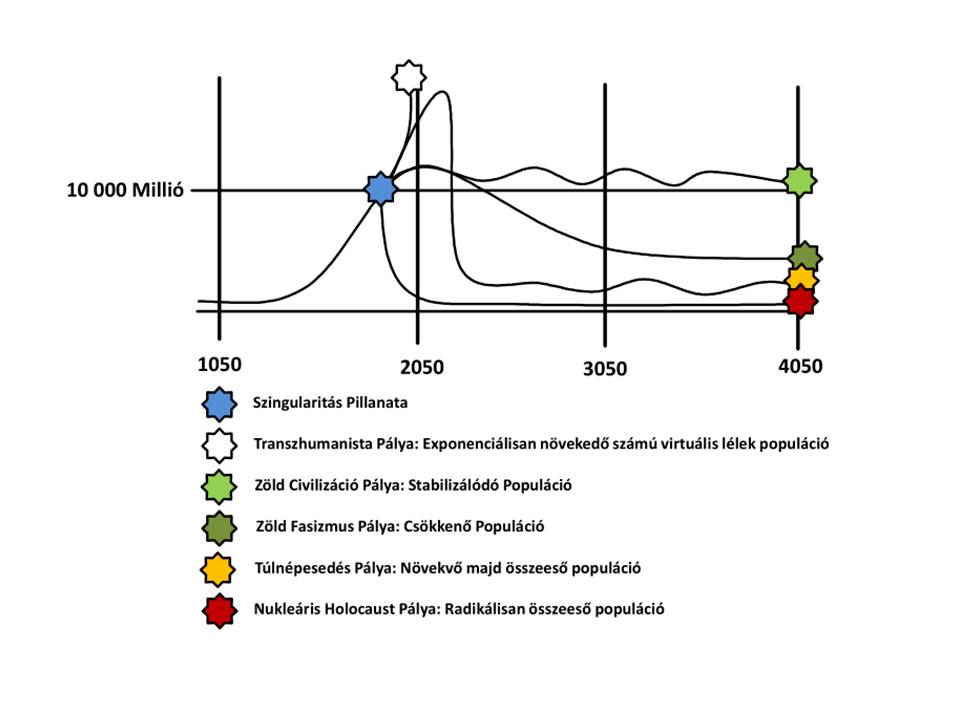
 INTEL KARTEL