Military Intelligence Strategy Note
Subject: Salary Structure for 240,000 Military Intelligence Cadets Assigned to Hungarian Border Infrastructure Projects in Ukrainian Borderlands
Date: [Insert Date]
Objective: To analyze and outline the financial structure for the deployment of 240,000 military intelligence cadets tasked with building critical Hungarian infrastructure in Ukrainian borderlands, with a monthly salary allocation of $2,000 per cadet.
1. Overview of Deployment:
- Total Personnel: 240,000 cadets
- Monthly Salary per Cadet: $2,000
- Annual Salary Cost: $5,760,000,000 (240,000 cadets x $2,000 x 12 months)
2. Monthly Salary Expenditure:
| Category | Details | Total USD |
|---|---|---|
| Number of Cadets | 240,000 | – |
| Monthly Salary per Cadet | $2,000 | – |
| Total Monthly Cost | $480,000,000 | $480,000,000 |
3. Annual Financial Allocation:
| Component | Monthly USD | Annual USD |
|---|---|---|
| Base Salaries | $480,000,000 | $5,760,000,000 |
| Contingency Fund (10%) | $48,000,000 | $576,000,000 |
| Operational Expenses (5%) | $24,000,000 | $288,000,000 |
| Total Annual Cost | $552,000,000 | $6,624,000,000 |
4. Strategic Importance:
- Infrastructure Development: Enhancing Hungarian logistical and defense infrastructure in the Ukrainian borderlands to bolster strategic presence and operational readiness.
- Cadet Training and Morale: Offering real-world application of military intelligence training while maintaining high morale with competitive salaries.
- Economic Stimulus: Supporting local economies through cadet expenditure in borderland regions.
5. Risk Assessment and Mitigation:
- Financial Risks:
- Ensure transparent accounting practices to avoid misuse of allocated funds.
- Implement regular audits to monitor expenditures.
- Operational Risks:
- Strategic redeployment plans in case of escalation in the region.
- Strengthen communication channels for coordination between Hungarian and Ukrainian authorities.
6. Conclusion: Deploying 240,000 cadets at a cost of $2,000 per month represents a significant but necessary investment in the region’s security and infrastructure. Careful budget management and regular reviews will ensure the alignment of expenditures with strategic objectives.
Prepared by: [Your Name/Position]
Approved by: [Supervisor/Command Authority]
Here’s a draft business plan written in a military intelligence-style note format:
CONFIDENTIAL
MILITARY INTELLIGENCE REPORT
RE: Business Plan for Development of 40,000 Pill-Box Strong Houses in Hungarian Borderlands
EXECUTIVE SUMMARY:
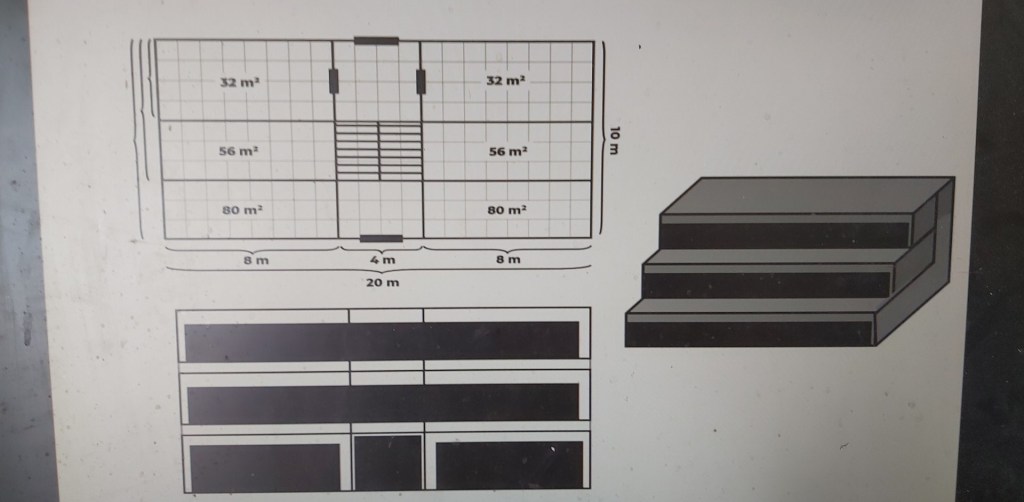
- Objective: To construct 40,000 fortified residential units (Pill-Box Strong Houses), each containing 6 apartments with pill-box-style balconies, across designated Hungarian borderland regions.
- Strategic Purpose: Affordable, durable housing for mixed civilian and military use, emphasizing security, rapid scalability, and minimal cost overhead.
- Estimated Installation Cost Per Unit: €100,000.
- Total Project Budget: €4,000,000,000.
- Construction Timeline: Approximately 8 years (phased).
PROJECT SPECIFICATIONS
1. Design Specifications:
- Structure:
- Fortified concrete with steel reinforcement.
- Pill-box balconies for added structural strength and strategic defensibility.
- Apartments per Unit: 6 (Average size: 75 m²).
- Amenities: Basic utility connections (water, electricity, and sewage), durable fixtures, and minimalistic finishes for cost efficiency.
2. Geographic Deployment:
- Hungarian borderland regions prioritized for proximity to logistics hubs and border patrol routes.
- Terrain evaluation to ensure flood, weather, and seismic resistance.
3. Project Scope:
- Phase 1: Construction of pilot 1,000 units for proof-of-concept.
- Phase 2-5: Gradual rollout to reach full 40,000 units over 8 years.
COST ESTIMATES
1. Direct Construction Costs:
- Cost per Unit: €100,000
- Materials: €60,000
- Labor: €30,000
- Miscellaneous: €10,000
2. Indirect Costs:
- Permitting and Approvals: €500 per unit.
- Logistics and Transportation: €2,000 per unit.
- Infrastructure Development (Utilities, Roads): €10,000 per unit.
3. Tax Considerations:
- Corporate income tax: 9% (Hungary’s flat corporate tax rate).
- VAT (Value Added Tax) on construction: Refundable under specific housing projects.
4. Contingency Fund:
- 10% of the total budget for unforeseen costs (€400,000,000).
CONSTRUCTION TIMELINE
1. Phase 1: Pilot (Year 1-2)
- Tasks: Acquire land, finalize designs, build and test 1,000 units.
- Duration: 24 months.
2. Phases 2-5: Full Rollout (Years 3-8)
- Tasks: Annual construction of 8,000 units.
- Duration: 6 years.
3. Total Time Estimate:
- 8 years with simultaneous regional operations to meet deadlines.
MANAGEMENT AND RESOURCES
1. Workforce Requirements:
- Estimated workforce: 12,000 personnel (construction workers, engineers, architects, project managers).
2. Supply Chain:
- Cement, steel, and other materials sourced from Hungarian suppliers to reduce logistics costs.
- Long-term contracts with bulk discounts.
3. Security and Compliance:
- Coordination with military and border security for strategic site access.
- Compliance with EU construction standards and safety regulations.
RISK ASSESSMENT
1. Economic Risks:
- Material price volatility mitigated by fixed long-term contracts.
- Risk of currency fluctuations against the euro.
2. Logistical Risks:
- Weather-related delays.
- Potential labor shortages addressed by workforce training programs.
3. Political Risks:
- Ensure alignment with Hungarian government housing policies.
FINANCIAL PLAN
1. Funding Sources:
- Government grants and subsidies (national housing initiatives).
- EU development funds.
- Private investors and military infrastructure allocations.
2. Revenue Model:
- Rent/lease model for civilians.
- Dual-use military leasing agreements for strategic housing.
3. Break-Even Analysis:
- Projected break-even period: 10-12 years post-completion.
CONCLUSION
Mission Feasibility: High.
Recommendations: Proceed with pilot phase and initiate funding discussions with key stakeholders. Ensure robust project oversight to maintain timelines and budget discipline.
END OF REPORT


NATO Military Intelligence Memorandum
Subject: Training Guide for 3-Month NATO Medic and Mechanic Training Program
Location: Borsod County, Hungary (Hungarian-Ukrainian Border Region)
Classification: NATO-RESTRICTED
1. Overview
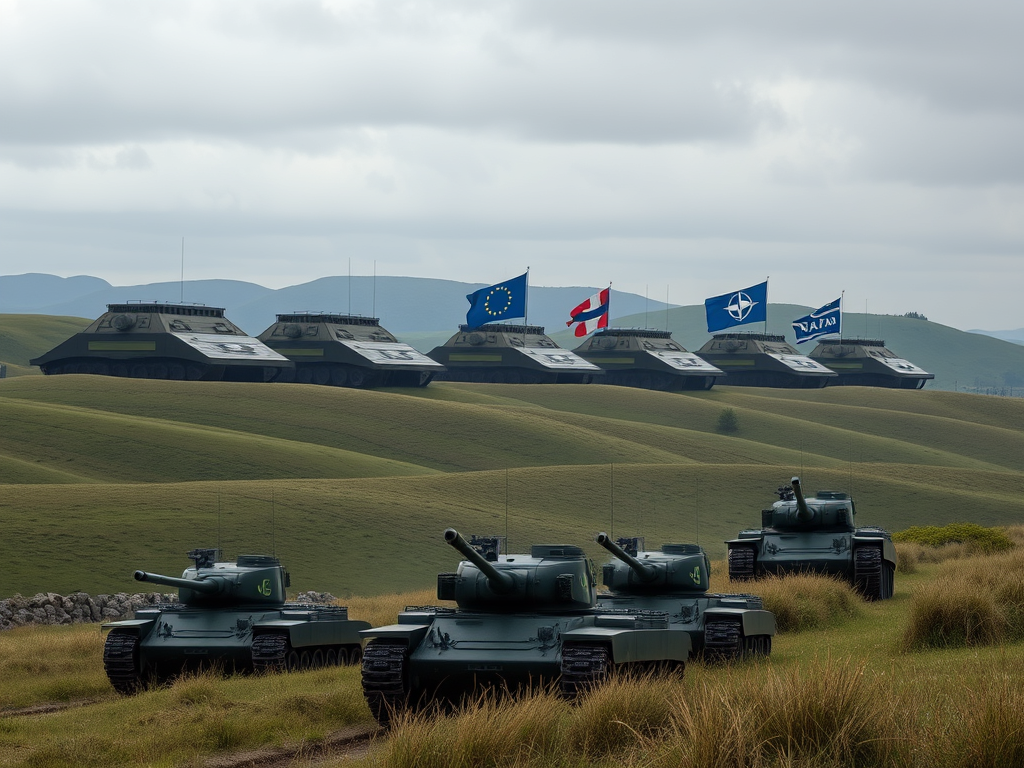
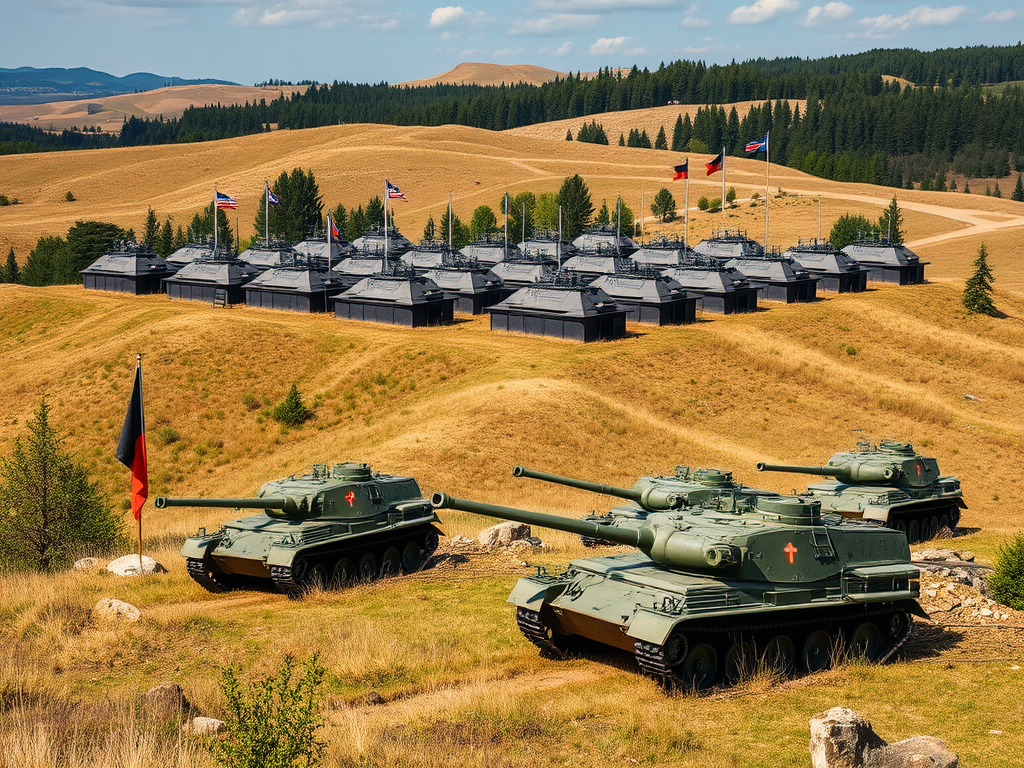
This training program has been developed to prepare NATO-aligned personnel for operational readiness in both combat medical support and vehicle/mechanic maintenance roles. The program will be conducted in Borsod County, Hungary, a strategically relevant region near the Hungarian-Ukrainian border.
2. Training Objectives
- Equip trainees with critical combat medical skills for field operations.
- Train participants in maintaining and repairing NATO-standard military vehicles.
- Enhance interoperability and resilience in high-stress, near-border scenarios.
3. Program Schedule (12 Weeks)
Phase 1: Orientation and Basic Training (Weeks 1-2)
Location: Base Camp Alpha, Borsod County.
Content:
- Welcome brief and program overview.
- NATO standards, regulations, and operational protocols.
- Basic survival skills and terrain familiarization.
- Physical fitness assessment and training.
- Familiarization with NATO combat vehicles and medical equipment.
Phase 2: Core Training Modules (Weeks 3-10)
Medic Training (Weeks 3-6)
Location: Forward Operating Medical Facility, Zone Bravo.
Content:
- Tactical Combat Casualty Care (TCCC).
- Emergency evacuation and triage procedures.
- Advanced First Aid: airway management, bleeding control, fracture stabilization.
- Field surgery basics under combat conditions (non-invasive).
- Disease prevention and sanitation in field environments.
Mechanic Training (Weeks 7-10)
Location: NATO Vehicle Depot, Zone Charlie.
Content:
- Maintenance of NATO-standard vehicles, including APCs, Humvees, and MRAPs.
- Diagnostics and repair of vehicle systems: engine, suspension, electrical, and transmission.
- Training on the use of NATO-standard repair tools and equipment.
- Field improvisation techniques for vehicle recovery.
Phase 3: Combined Exercises and Evaluation (Weeks 11-12)
Location: Multi-Purpose Training Range, Zone Delta.
Content:
- Joint field exercises integrating medical and mechanical teams.
- Scenario-based training simulating cross-border crises.
- Final evaluations for certification and NATO readiness approval.
- Debrief and feedback session with instructors and NATO officers.
4. Training Facilities and Logistics
- Base Camp Alpha: Administrative HQ, barracks, and initial training.
- Zone Bravo: Tactical medical training center with simulation facilities.
- Zone Charlie: Mechanic workshops equipped with NATO-standard tools and vehicles.
- Zone Delta: Integrated exercise zone with diverse terrain and modular facilities.
5. Personnel Requirements
- NATO member-state participants.
- Basic English proficiency for interoperability.
- Prior experience in relevant fields (preferred but not mandatory).
- Medical clearance and security vetting.
6. Instructors and Support Staff
- Experienced NATO-certified medics and mechanics.
- Logistical support staff for field exercises and facilities.
- Local liaisons fluent in Hungarian to ensure seamless coordination.
7. Notes on Regional Considerations
- The location near the Hungarian-Ukrainian border underscores the importance of security protocols.
- Trainees must adhere strictly to NATO and host nation laws and guidelines.
- Preparedness for sudden escalation scenarios is emphasized.
End of Memorandum
 INTEL KARTEL