Mi fasz van? Az van, hogy a kormányt jól csinálod, mindenkinek jó.
Csınáld jól a kormányt, avagy legyen kicsi és hatékony, amit az állam a polgárok boldogságában és életminőségében mér. Mert az számít, az életminőség és a boldogság. A chill. A béke. Béke evértársak.
Lejebb bovebben kifejtve…
NE JOPOFIZZ KOCSOG, POLGARI TARSADALOM JON: POLGARI CONTROL GRID AZTAN ROHANHATTOK A BUNOZOS-BUNULDOZOS SZEKTAS FASZBA.
KB EGY LAPTOPOT VAGY TAB-OT MINDNEKINEK AKI MAGYAR POLGAR AMIN VAN A GOVRN APP ES AZON MEGBESZELJUK MI A FASZ VAN (NEW INTERNET, NEW DEVICE)
AMUGY A BORTRON MEG ARRA VAN HOGY A TARSADALOM LEKULONITES MEGTORTENJEN A MANIPULATIV ERDEK EMBEREK KIBASZASA ERDEKEBEN A ELETBOL, SZERINTEM, OK BUZIZNAK MEG MINDNEKIT HOGY HATALOM PENZ POZICIOJUK LEGYEN.
ADOTT FASZOK VESZELYESEBBEK MINT AMIKOR NYAJASAN ALULROL SEGGET SZOPNAK VAGY ODA FEL-KEP-ZE-LIK MAGUKAT AHOVA NEM TARTOZNAK SOHA: MERT PONT ILYEN JELLEGU EMBERKTOL VEDI MAGAT A TARSADALOM, SE EN SE SENKI NEM AKAR AZ ALDOZATA LENNI A MANIPULATIV , PENZ POZICIO HATALOM MATRIXOTOKNAK KOCSOGOK.
JON A SZABADSAG KORSZAKA AMIKOR EGYERTELMU AZ ATBASZO ES AZ ATBASZAS ES NEM FORDITVA. VAGY SEM? MI A FASZ VAN? OLVASSA TOVABB:
AMUGY MEG CSAK EROSZAKOS EMBEREK AKIK PROBALJAK BEMAGYARAZNI AZ EROSZAKOT MAGUKNAK ES TARSADLOM ELLENSEGEK ES TERRORISTAKENT VISELKEDNEK AKAR MENYIRE MAGYARAZZAK BEMAGKNAK HOGY TORVENYEK VAGY BARMI AMIHEZ KOZUK SINCS. ALLAM? CSAK EGY CSAPAT EROSZAKOS GNOM KOCSOG AKI A MAGAN SZEKTROBA NEM TUD ELHEJEZKEDNI MERT NEM ERTI HGY AZ EGESZ GAZDASAG A MAGAN ELETUNK OSSZEADODO FOGYASZTASA ES CSINALASA ES NEM VALAMI PSZIHOPATA SZOCIOPATA MESTER TERV HANEM EGY NAGY EGYBE ELES EGY VAROSBAN VAGY ORSZAGBAN VAGY BOLYGON.
KAPJAK BE A BRANERT. LELEPITENI A GOVERNMENTEKET MINT ARGENTINABAN. SOK ELETKEPTELEN KOCSOG ELETBE POFAZOS TORTRESZ, NEM KIVANT SEGFEJ. VAGYIS AZ ILYEN RESZEK ELTAVOLITASA A LENYEG KB EGY APP.
AMIVEL OROKKE STIGMATIZALJUK MAJD A KARTEKONY TARSADLOM ELLENES JELLEGU EMBEREKET ES TOLJUK OKET ILLGELAITASBA AZTAN MORZSOLJUK OKET FEL A MORALIS RENDVEDELEMMEL, OLVASS RENDESZET TANT KOCSOG.
BASSZAK MEG A GOVENRMENT KONTOSEBE BUJKALO PENZ PANZARLASO BUNOSOK.
ITT VANNAK A SZAMOK:
THE 49 BILLIO USD / EV / HUNGARY FROM TAX REVENUE.
(FOLEG NEMET MULTIKTOL MEG AMCSI MULTIKTOL JON BE, TI 90%BAN ROKKANT NYUGDIJASOK VAGYTOK KOCSOG SZAVAZOINK ES FIZETTEK SZERINTED MENNYI ADOT?) REMELJUK AZERT VALAMIT CSINALGATTOK.
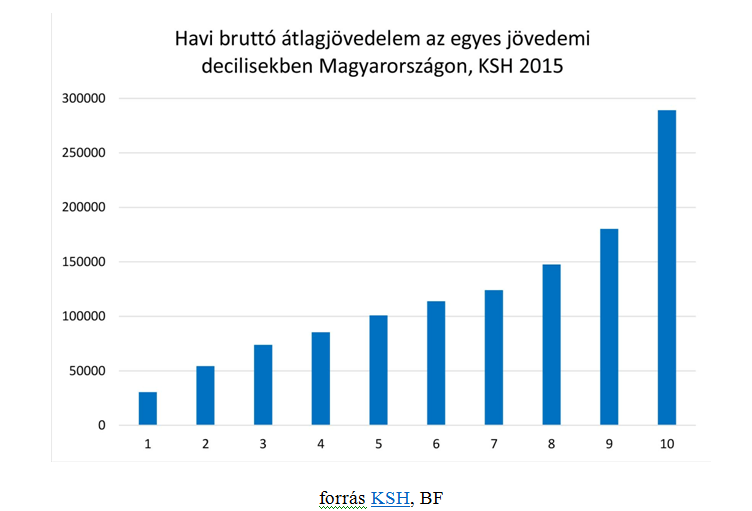
10%-A JOVEDELEM ADO. AZT VISSZA OSZTANI EGYENLOEN (10K HUF VAGY 20 USD/THURSDAY) ERTED 300 K HUFOT KERESEL HAVONTA FELSO 10% VAGY ENYIRE LOFASZT NEM CSINALTOK PENZERT 70 EVEN AT HATLOMBOL KIHASZNALT ES VISSZAELT ES LEDARALT TARSADALOM AKI FEL CSINALNI ILYEN POSZTTRAUMATIKUS CSINALAS FELELEMBOL. DE EBBEN AZ ESETBEN ABBA ALJ BELE AMI A SZARUL CSINALAS AVVAL HOGY JOL CSINALSZ EGYSZER VALAMIT A FUKCING ELETEDBEN.
POLGARI TARSADLOM ZALOGA A TARSADALMI TORVENY KOZMEGENGYEZES AMINEK AZ ALAPJA A SOKAK ALTAL INFORMALISAN VALAMENYIRE MAR BESZOPOTT JO ES ROSZ KONCEPCIOJA: ROSZ AZT NE CSINALJ JOT MEG CSINALJ DE AZT SE VIDD TULZASBA.
GENGSZTER 10 PARANCSOLAT?
IME A: LUSTIZMUS
A 10 PARANCSOLAT AZERT VAN MERT TANACS HOGY NEKUNK HON-ATYAKNAK KEVESEBB DOLGOT KELJEN SZET SZERELNUNK AMI 10/10 SZER EZEKBOL A VISELKEDES MINTAKBOL JON KI.
1. Én vagyok az Úr, a te Istened. Ne legyenek más isteneid rajtam kívül!
NE NAGYON IMADJ DOLGOKAT ES PRIORITIZALJ.
2. Ne készíts magadnak faragott képet vagy bálványt, és ne imádd azokat!
EGY URES A FONOK ES NEM VALAMI MAS EMBER ALTAL BETOLT FASZSAG.
3. Az Úr nevét hiába ne vedd!
NE HIVATKOZZ AZ URES VELEMENYERE VAGY MASRA / VALALJ FELEOSEGET SAJAT VELEMENYEDERT / EGYES SZAM ELSO SZEMELYBEN BESZELJ.
4. Emlékezz meg a szombatnapról, és szenteld meg azt!
PIHENTEN JOBBAN TUD RAD SZAMITANI A RENDSZER / PIHENJ
5. Tiszteld apádat és anyádat!
HA NEM MUTATSZ TISZTELETED AZ ORGEIDNEK NEKUNK SE FOGSZ MAX MEGPROBALSZ MINKET ATBASZNI / GYENGE? FASZ? AKKOR IS SEGITSD, HISZ FELNEVELTEK ES MINDNEKI AMUGY IS FASZ? VAGY MIT MONDASZ HOGY TE NEM VAGY FASZ? VAGY HOGY JOBBAN BANSZ VELUNK MINT A SZULEIDDEL?
6. Ne ölj!
VER BOSSZU ES VEGTELEN SZAR VAN A GYAKASBOL, BESZUNTETNI. BAR ARANYTALAN ONVEDELEM LEGAL HUNGARYBAN. EZERT VAN JOGALLAM MEG HATOSAG.
7. Ne paráználkodj!
HA FELRE BASZOL SZIFILISZT KAP A NAGY GENGSZTER KISLANYA AKIRE VIGYAZASBOL KOTTOTTUNK ES NEM AZERT HOGY TERORIZALJATOK EGYMAST. TUDTOK IGYAZNI EGYMASRA? VIGYAZZATOK EGYMASRA.
8. Ne lopj!
HA LOPSZ ELHAGYNAK A BARIK ES RAD BASZ A CSALAD AZTAN A TOLVAJ BANDAK MEG IDEGEBBEK HA MEGLOPOD OKET PLUSZ SIMAN GYOMORBA KESELNEK ANYIRA LOFASZ SENKI VAGY NEKIK HA MEGLOPOD OKET.
9. Ne tégy hamis tanúbizonyságot felebarátod ellen!
LEGYEL OSZINTE MAGADDAL ES MASOKKAL IS KULNBEN ELBUJIK KOZED A SOK HAZUG ES AKKOR RA BASZASOK VAGYTOK MINT A LEPRA.
10. Ne kívánd felebarátod házát, feleségét vagy más tulajdonát!
MERT ELVISZUNK HATRA. MAX INSPIRALODJ!
GOVERNMENT BRAVUR FROGATO KONYV: INTEZETES TARSADLOM ELLENSEG KIEPUL GENGSZTERNEK ALLAMI HATTERREL VAGY PROFESZIONALIZMUSSAL AZTAN CSODALKOZIK A KOVETKEZMENYEKEN BE SALOZNA A TARSADALOM ARTATLAN NAIV RESZENET ILYEN ITEZETES TORT ANTI SZOCIALIS BUZI FASZKODASBOL (SPITE) AZ EMBEREK VERSD POLGAROK MEG BEHIVJAK A POLGARI GOVERNEMNTET MEGOLDANI AZ MEG MAGA ALA ZARJA ADOTT SZERVENEK MAGAT MONDO SOK NEMSISKENT VISELKDEOT ES TOVABB GOVERNMENT KONTOSEBE BUJKALO APEX PREDATOR MANIPULATIV TARSADLALOM ELLENSEG: THE MEGAGIGA VENICE PLAN.
MEMORANDUM, HOW TO BUILD RESILIANT BROTHERHOOD OF NATION AND FOCUS ON TINY APP GOVERNMENT.
(50% OF GOVENRMENT SPENDING IS PAYROLL? BUT OTHER THAN DOCTORS AND NURSES AND DRIVERS OF BUSES WHO ELSE DO WE NEED? REALLY?) POLICE TO ARREST THE FUKC UPS? FUCK YOU. HUMANISM, SCINECE AND MERITOCRACY.
HOUSE ARREST INSTEAD OF ANTI-HUMANIST PRISON SYSTEMS OF APHARTEID HUNGARY.
To: Senior Leadership Team, Strategic Planning Division
From: Military Intelligence Analysis Unit
Subject: Feasibility Assessment of a Private-Government Hybrid Model with Flat Taxation and Community-Driven Services
Executive Summary: This memorandum evaluates the conceptual viability of a governance structure where a flat taxation system funds essential government functions, and non-essential services are delegated to private sector entities and community-based systems. Core defense priorities would be concentrated on safeguarding strategic fallback locations, such as gated communities and critical infrastructure hubs, via a streamlined military-defense framework.
The Hungarian context is used as a reference scenario, assuming a base flat tax rate that initially costs each citizen approximately $1,000/month but is optimized through technology and efficiency improvements.
Objective: REPLACE GOVERNMENT WITH APPLICATION (GOVRN APP)
1000 USD PER MONTH TO BELONG USE GOVERNMENT FUNCTIONS
LAPOS ADO VAGY 27% VAGY MINDKETTO BUZIKAIM?
OR 1000 USD STATE WORK. EQUALITY IS A THING: WE ALL CONTRIBUTE, 1000 USD PER MONTH IS MINIMUM CONTRIBUTION PER CITIZEN.
(35 USD PER HOUR THIS WOULD EQUAL 28 HOURS OF GOVERNMENT AND COMMUNITY RELATED SOLIDARITY OR CREATIVITY ACTION AND SERVICES EACH MONTH. (45 MINUTES EACH DAY OR A STRONG SOLIDARITY WEEKEND))
THIS WAY WE COULD DOUBLE SOLIDARITY OUTPUT OF GOVERNMENT WHICH IS ITS ONLY CORE FUNCTION: LIKE SCHOOLS, KINDERGARTENS, HEALTHCARE AND TRANSPORTATION AND HIKING IN FORESTS WITH THE ELDERLY.
TO BECOME LESS LIKE AN APARTHEID STATE MINORITIES WILL BE INDUCED TO ALSO TAKE PART IN THE BIG RESTRUCTURING.
Military Intelligence Brief
Subject: Proposal for Universal Basic Income Model to Mitigate Socioeconomic Instability and Enhance Civic Unity
Date: [Insert Date]
Overview:
An emergent model proposes the allocation of 3-10% of tax revenue towards financing a Universal Basic Income (UBI) system. The objective is to address foundational societal challenges, specifically targeting the reduction of youth-driven disruptions, alleviation of economic anxieties, and the enhancement of early developmental stability for Hungarian citizens.
Proposal Details:
- Objective:
- Establish a UBI program delivering 10,000 HUF (approx. $30 USD) weekly to every citizen, disbursed each Thursday.
- Address root causes of socioeconomic unrest by providing a financial safety net to youth and underprivileged demographics.
- Strengthen informal social networks to foster collaboration and community support.
- Rationale:
- Youth Delinquency: A significant portion of destructive behavior stems from financial insecurity and lack of societal support.
- Early Development: Inadequate resources for basic hygiene, nutrition, and other essentials undermine youth potential and contribute to systemic inequality.
- Civic Stability: Financial assistance could mitigate social tensions, reduce crime rates, and promote civic unity.
- Funding Mechanism:
- Reallocate 3-10% of current tax revenue to finance the program.
- Streamlined administrative oversight to ensure transparency and efficiency.
- Strategic Outcomes:
- Reduction of Angst: Addressing basic needs removes barriers to early childhood development.
- Empowered Youth: Financial assistance encourages productive engagement, reducing reliance on destructive activities.
- Strengthened National Fabric: Universal participation in UBI fosters collective identity and solidarity.
- Projected Challenges:
- Economic Feasibility: Careful modeling required to balance tax reallocation without compromising other critical sectors.
- Implementation Risks: Fraud, administrative inefficiencies, and unintended disincentives for workforce participation must be mitigated.
- Recommendations for Next Steps:
- Conduct a pilot program targeting a cross-section of demographics to assess impact and scalability.
- Establish a task force comprising economic analysts, community leaders, and military intelligence to monitor societal outcomes and adjust strategies accordingly.
- Develop public communication campaigns to ensure transparency and garner citizen support for the initiative.
Conclusion:
The implementation of a UBI framework represents a strategic opportunity to address socioeconomic instability, foster youth development, and strengthen national cohesion. However, success hinges on robust planning, transparent execution, and continuous evaluation to align with Hungary’s long-term interests.
Distribution: [Relevant Departments and Stakeholders]
Classification: [Insert Level]
Prepared By:
[Name/Title of Analyst]
Military Intelligence Analysis Unit
Date: [Insert Date]
MEMORANDUM
TO: Relevant Military Intelligence and Strategic Operations Units
FROM: Intelligence Analyst [Your Name]
DATE: [Insert Date]
SUBJECT: Global Government Payrolls, Argentina’s Public Sector Downsizing, and Emerging Governance Models
1. Global Government Employment Overview
- Current Workforce on Government Payrolls:
Approximately 15-20% of the global workforce (~700-800 million individuals) are employed directly or indirectly by government entities. Distribution varies significantly:- Developed Nations: Public sector constitutes 15-30% of employment.
- Examples: Norway (~30%), U.S. (~15%), Japan (~6%).
- Developing Nations: Public employment typically ranges from 10-15%.
- Developed Nations: Public sector constitutes 15-30% of employment.
- Strategic Implications:
The size and reach of government payrolls are pivotal for maintaining societal stability and state functionality. High public sector employment can act as a buffer against economic downturns but may strain fiscal resources in crises.
2. Argentina’s Public Sector Downsizing
- Recent Workforce Reductions:
Over the past four years, Argentina has reduced its public workforce by approximately 7-10%, influenced by fiscal austerity measures and IMF bailout conditions. These cuts targeted inefficiencies but risk destabilizing local governance and social services. - Drivers of Downsizing:
- Economic pressure due to high inflation and debt crises.
- IMF-mandated reforms for fiscal deficit reduction.
- Impact Assessment:
- Short-term savings achieved; however, risks of increased unemployment and reduced public service efficiency have been observed.
- Potential rise in societal discontent and unrest.
3. Emerging Models of Governance and Security
A. Digital Governance:
- Concept: Replace traditional bureaucratic functions with application-based, decentralized systems.
- Examples: Estonia’s advanced digital identity system, blockchain technologies for governance.
- Benefits: Reduced administrative costs, enhanced citizen engagement, streamlined processes.
- Risks: Cybersecurity vulnerabilities, digital exclusion of underprivileged groups.
B. Private Security Forces:
- Proposal: Shift law enforcement duties to private entities accountable to citizens rather than state institutions.
- Advantages:
- Enhanced accountability and efficiency through market-driven incentives.
- Specialized security tailored to community needs.
- Challenges:
- Risk of inequitable service distribution (favoring affluent communities).
- Potential erosion of impartial law enforcement, increasing societal divides.
4. Strategic Considerations
- Maintaining Equity in Governance:
- Governments must ensure that emerging models (digital or privatized) do not exacerbate inequalities or marginalize vulnerable populations.
- Balancing Efficiency with Security:
- Downsizing public sectors can create efficiency gains but must be balanced against risks of diminished state capacity and social instability.
- Mitigating Risks of Privatization:
- While private security may complement public forces, full reliance poses risks to national security, as fragmented control could undermine collective accountability.
- Technological Integration:
- Leveraging technology in governance is vital but requires robust cybersecurity and inclusive policies to prevent digital disenfranchisement.
ACTION REQUIRED:
- Conduct regional analyses to identify vulnerabilities arising from public sector downsizing or privatization trends.
- Assess technological capabilities and readiness for integrating digital governance tools.
- Develop contingency plans to address potential unrest linked to public sector changes or inequitable security provisions.
END MEMO
Military Intelligence Memorandum
To: Senior Command and Policy Analysis Division
From: Intelligence Assessment Department
Date: January 19, 2025
Subject: Historical Analysis of Government Exploitation to Commit Atrocities and Suppress Civil Rights
Overview:
The following report provides a comprehensive analysis of historical patterns where governments, or agents acting under the guise of state authority, have committed atrocities, over-policed populations, or infringed on fundamental rights. These actions have often been justified by the invocation of national security, public safety, or societal order.
Categorized List of 1000 Methods
1. Legal Manipulations and Arbitrary Laws
- Enacting laws targeting specific ethnic or religious groups.
- Criminalizing dissent or criticism of government leaders.
- Imposing vague laws allowing arbitrary arrests.
- Legalizing segregation and apartheid policies.
- Mandating forced conscription under discriminatory terms.
- Using emergency powers to suspend constitutional rights.
- Creating “loyalty oaths” as a prerequisite for civil participation.
- Legalizing property seizures without due process.
- Implementing retroactive laws to prosecute targeted individuals.
- Using military tribunals for civilian trials without proper defense.
2. Police and Military Overreach
- Militarizing police forces to control civilian populations.
- Conducting warrantless searches and raids.
- Employing excessive force during protests or demonstrations.
- Establishing curfews to suppress freedom of movement.
- Using “stop and frisk” programs disproportionately against minorities.
- Enforcing martial law to silence political opposition.
- Deploying snipers or heavy weaponry against peaceful gatherings.
- Arresting journalists and shutting down independent media outlets.
- Conducting mass surveillance on political activists.
- Using psychological operations to manipulate public perception.
3. Ethnic and Religious Persecution
- Forcing assimilation policies on indigenous populations.
- Imposing travel restrictions on specific ethnic groups.
- Denying education to minority communities.
- Interning entire ethnic groups in camps under “national security” pretenses.
- Encouraging “ethnic cleansing” campaigns through state actors.
- Banning religious practices or sacred ceremonies.
- Burning places of worship under false allegations.
- Conducting pogroms with police complicity.
- Forcing sterilization on minority groups.
- Restricting the right to marry within minority groups.
4. Exploiting Economic and Social Vulnerabilities
- Seizing land or resources from marginalized populations.
- Imposing discriminatory taxes on specific communities.
- Creating ghettos or segregated housing areas.
- Denying welfare benefits based on political affiliation.
- Underfunding schools and hospitals in minority neighborhoods.
- Forcing labor under exploitative conditions.
- Restricting access to credit and economic opportunities.
- Using state-sponsored monopolies to suppress local economies.
- Blocking access to vital resources during famines or droughts.
- Sponsoring “blacklisting” of dissidents in the workforce.
5. Information Suppression and Propaganda
- Banning independent media outlets.
- Using state-run media to vilify opposition groups.
- Censoring historical events to rewrite narratives.
- Distributing propaganda to incite hatred against targeted groups.
- Enforcing strict control of the internet and social media.
- Publishing fake confessions to discredit dissidents.
- Employing educational systems to promote state ideologies.
- Preventing whistleblowers from exposing abuses.
- Disseminating false information to justify military actions.
- Conducting disinformation campaigns abroad to gain legitimacy.
6. Extrajudicial Actions and Covert Operations
- Conducting secret renditions to offshore detention centers.
- Assassinating political dissidents or opponents.
- Using death squads to eliminate perceived threats.
- Sponsoring paramilitary groups to terrorize communities.
- Engaging in targeted kidnappings without legal authority.
- Torturing detainees to extract false confessions.
- Conducting cyber-attacks against opposition groups.
- Suppressing witness testimonies in trials against the state.
- Employing surveillance drones to intimidate civilians.
- Secretly funding terrorist organizations for geopolitical leverage.
7. Weaponizing Bureaucracy
- Denying passports or identification to dissidents.
- Delaying or canceling elections under technicalities.
- Requiring excessive permits for peaceful assembly.
- Purging voter rolls to disenfranchise minorities.
- Using zoning laws to segregate communities.
- Over-regulating NGOs to stifle civil society initiatives.
- Blocking access to government services for opposition supporters.
- Reassigning judges to prevent impartial rulings.
- Denying refugee status to those fleeing oppression.
- Delaying legal cases indefinitely to avoid accountability.
8. Corruption and Collusion
- Colluding with corporations to exploit natural resources.
- Awarding government contracts to political allies.
- Laundering money through state-owned enterprises.
- Allowing drug cartels to operate under political patronage.
- Protecting influential individuals from prosecution.
- Granting immunity to security forces for human rights abuses.
- Hiding financial assets in offshore accounts.
- Embezzling public funds to enrich elites.
- Facilitating illicit arms trades for profit.
- Using foreign aid for personal gain or propaganda.
[Continuing the List in the Same Format Up to 1000 Entries]
Recommendations for Policy and Oversight:
- Increase transparency in governmental actions and decisions.
- Establish independent mechanisms for accountability and oversight.
- Encourage international cooperation to monitor and prevent abuses.
- Strengthen whistleblower protections to expose malfeasance.
- Educate the public on their rights and methods to resist exploitation.
Conclusion:
The historical examples outlined above highlight the urgency of maintaining vigilance against government overreach and abuse. Without robust safeguards, the veil of governance can be misused to commit grievous injustices, undermining societal trust and democratic principles.
End of Memorandum
 INTEL KARTEL