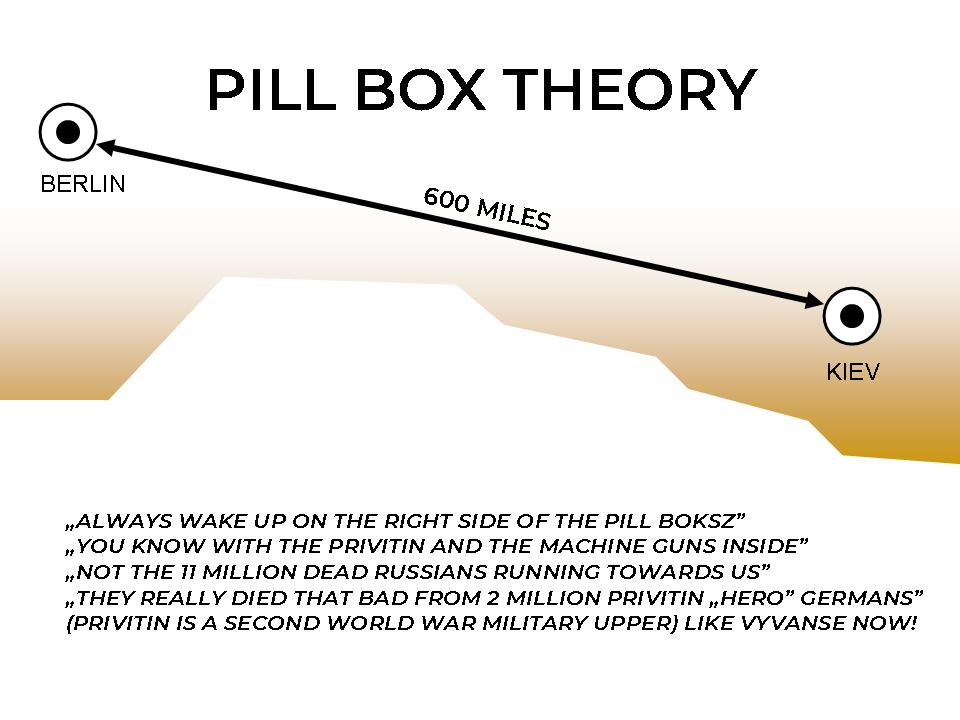
Plan for Constructing Seven Lines of Defensive Pillboxes and Military Intelligence Strategy
This document outlines the construction of a layered defensive network comprising seven lines of pillboxes and an integrated military intelligence strategy to enhance defensive capabilities.
1. Objectives
- Physical Defense: Establish a multi-layered defensive network to slow down or prevent enemy advancements.
- Strategic Depth: Create redundancy and tactical flexibility by placing multiple lines of fortifications.
- Intelligence Integration: Use advanced reconnaissance, surveillance, and communication systems to complement static defenses.
2. Defensive Pillbox Construction Plan
2.1. Pillbox Specifications
- Design: Reinforced concrete structures with camouflaged exteriors.
- Dimensions: 6m x 4m internal space.
- Armament Ports: At least three firing slits for small arms and heavy machine guns.
- Roof: Sloped, 1.5m reinforced concrete for bomb resistance.
- Features: Interior ventilation, storage for ammunition, and blast-proof entrance.
2.2. Layout and Lines
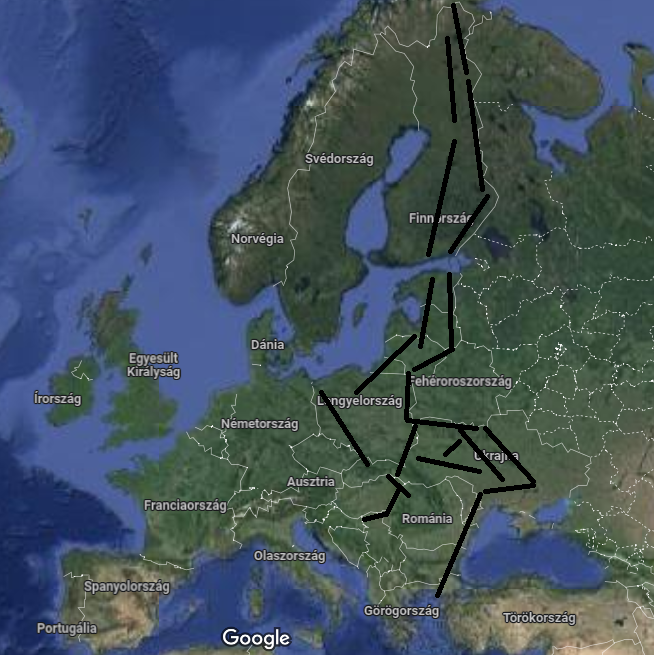
- Line Placement:
- Each line is spaced 2–5 km apart, allowing overlapping fields of fire and layered defense.
- Lines run parallel to the border, with staggered placement to minimize blind spots.
- Pillbox Density:
- Spacing: 50m between pillboxes within a line.
- Coverage: 7 lines covering a 2,500 km border result in 350,000 pillboxes.
2.3. Construction Timeline
- Phase 1 (0–6 months): Survey terrain, select construction sites, and secure materials.
- Phase 2 (6–18 months): Construct the first two lines to establish immediate defense.
- Phase 3 (18–36 months): Complete remaining five lines, integrate supply paths and bunkers.
2.4. Logistics
- Material Sourcing: Reinforced concrete, steel, camouflage netting.
- Construction Teams: Employ military engineers and local contractors under secure supervision.
- Maintenance: Ensure maintenance depots every 10 km for repair and restocking.
2.5. Supporting Infrastructure
- Access Roads: Build secure supply roads parallel to the pillbox lines.
- Communication: Underground cables and wireless relays for secure communications.
- Observation Towers: Install at intervals for advanced surveillance.
3. Military Intelligence Strategy
To ensure the effectiveness of the defensive network, integrate a comprehensive military intelligence strategy.
3.1. Surveillance and Reconnaissance
- Drones: Deploy UAVs for continuous aerial monitoring of enemy movements.
- Radar Systems: Install ground radar systems to detect and track enemy forces at long distances.
- Observation Posts: Use forward observation teams for real-time updates.
3.2. Intelligence Network
- Human Intelligence (HUMINT): Establish covert operatives in key enemy areas to gather information on potential threats.
- Signals Intelligence (SIGINT): Intercept enemy communications and analyze them for actionable intelligence.
- Cyber Intelligence: Monitor enemy cyber activities and secure communication networks.
3.3. Command and Control
- Centralized Intelligence Hub: Establish a command center to analyze data from various sources and provide strategic directives.
- Rapid Response Teams: Deploy mobile strike forces to counter breaches based on intelligence inputs.
3.4. Coordination with Pillbox Defense
- Alerts: Link intelligence systems with pillbox units for preemptive firing and readiness.
- Deception Tactics: Use false intelligence to mislead enemies about weak points.
4. Budget and Resource Allocation
- Estimated Cost: $15 billion USD for construction and $3 billion for intelligence integration over three years.
- Funding: Allocate through defense budgets, allied support, and public-private partnerships.
- Manpower: 200,000 workers and 50,000 personnel for operational roles.
5. Risks and Mitigation
- Risk: Airborne attacks on static defenses.
- Mitigation: Install anti-aircraft batteries at key points.
- Risk: Intelligence breaches.
- Mitigation: Use encrypted communications and multi-layered security protocols.
6. Expected Outcomes
- Enhanced border security with strong physical and intelligence defenses.
- Greater strategic flexibility in response to incursions.
- Increased deterrence against hostile actions.
This plan balances robust physical defenses with advanced military intelligence to secure the border and ensure long-term stability.


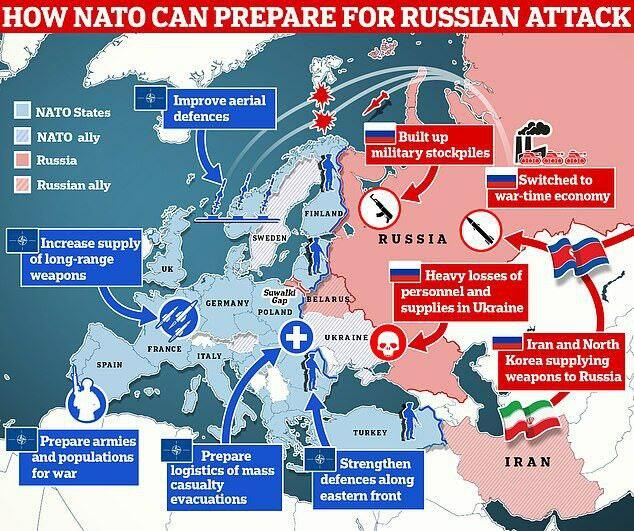
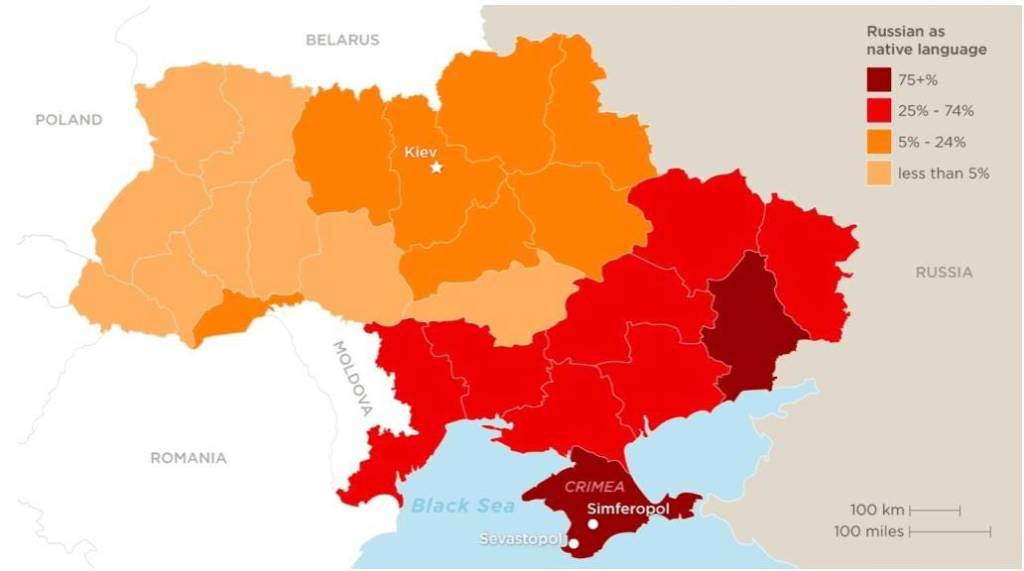
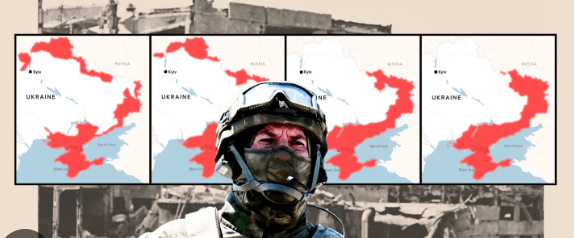
CLASSIFIED: MILITARY INTELLIGENCE BRIEFING
SUBJECT: Overview of Psychostimulant Uppers for Military Applications
DATE: [CURRENT DATE]
BRIEFER: ChatGPT Intelligence Assistant
1. PURPOSE
To provide an intelligence overview of psychostimulants (uppers) currently available, historically used, or in research/development that could be utilized to enhance cognitive and physical performance in military operations. These compounds are assessed for their potential in strategic, operational, and tactical contexts.
2. BACKGROUND
Psychostimulants have a long history of use in military applications to sustain alertness, reduce fatigue, and enhance decision-making under prolonged operational stress. Substances like methamphetamine (Pervitin) were historically utilized in WWII, while modern compounds like modafinil and dexamphetamine are deployed for contemporary forces. Below is a comprehensive assessment of key compounds currently available or previously in military use.
3. CATEGORIZED COMPOUNDS
A. Prescription Stimulants (Widely Used in Modern Applications)
- Dextroamphetamine (Adderall)
- Function: Increases wakefulness, attention, and energy levels.
- Military Relevance: Commonly prescribed to treat ADHD; historically used by U.S. Air Force under the term “go pills” for fighter pilots.
- Side Effects: Increased heart rate, insomnia, anxiety, potential for dependence.
- Lisdexamfetamine (Vyvanse)
- Function: A prodrug of dextroamphetamine with slower onset, reducing abuse potential.
- Military Relevance: Suitable for extended missions requiring sustained attention with lower risk of misuse.
- Side Effects: Anxiety, insomnia, potential for addiction in unsupervised contexts.
- Methylphenidate (Ritalin, Concerta)
- Function: Boosts concentration and counteracts fatigue.
- Military Relevance: Often used in cognitive enhancement trials; less potent than amphetamines.
- Side Effects: Nervousness, insomnia, cardiovascular strain.
B. Wakefulness-Promoting Agents (Non-Amphetamine Alternatives)
- Modafinil (Provigil)
- Function: Promotes alertness without inducing hyperactivity; minimal risk of dependency.
- Military Relevance: Widely studied for fatigue management in prolonged operations (e.g., U.S. Air Force studies). Effective during sleep deprivation with fewer side effects than amphetamines.
- Side Effects: Mild headache, nausea, and potential skin rash.
- Armodafinil (Nuvigil)
- Function: An isomer of modafinil with longer-lasting effects.
- Military Relevance: Preferred for prolonged, high-cognitive-demand missions.
- Side Effects: Similar to modafinil.
C. Historical or Controversial Stimulants
- Methamphetamine (Pervitin)
- Function: Increases energy and aggression; historically used to enhance combat performance.
- Military Relevance: Employed extensively by Nazi Germany during WWII. Discontinued due to extreme dependence and adverse health effects.
- Side Effects: Severe addiction, cardiovascular collapse, psychosis.
- Caffeine
- Function: A ubiquitous, mild stimulant.
- Military Relevance: Historically consumed in field rations; remains standard in many military branches as an easy-to-administer stimulant.
- Side Effects: Jitteriness, diuretic effects.
D. Experimental and Niche Compounds
- Selegiline (Deprenyl)
- Function: A selective MAO-B inhibitor that enhances dopaminergic activity.
- Military Relevance: Investigated for cognitive performance and mood stability under stress.
- Side Effects: Hypertension, potential serotonin syndrome.
- Phenylpiracetam
- Function: A nootropic with stimulant properties.
- Military Relevance: Trials for endurance and resistance to cold in extreme operations.
- Side Effects: Limited data on long-term safety.
- Oxiracetam and Piracetam Derivatives
- Function: Improve cognitive function and memory with mild stimulatory effects.
- Military Relevance: Tested in scenarios requiring high cognitive agility.
- Side Effects: Generally mild; headaches and nausea.
E. Natural and Over-the-Counter Alternatives
- Ephedrine (Ma Huang)
- Function: Increases adrenaline and energy; often used in decongestants.
- Military Relevance: Historically used before synthetic amphetamines were available.
- Side Effects: Elevated blood pressure, heart palpitations.
- Guarana and Yohimbine
- Function: Natural sources of caffeine and other stimulatory alkaloids.
- Military Relevance: Used in traditional field rations and modern supplements.
- Side Effects: Mild gastrointestinal discomfort, jitteriness.
4. ANALYSIS
The selection of a stimulant for military operations depends on mission duration, intensity, and environmental stressors. While amphetamines remain the most potent, non-amphetamine options like modafinil offer safer alternatives. Proper regulation and monitoring are critical to avoid dependency and ensure sustainable operational readiness.
5. RECOMMENDATIONS
- Operational Integration: Focus on compounds with proven safety profiles (e.g., modafinil) for long-term usage.
- Research and Development: Prioritize studies on non-addictive and neuroprotective stimulants to mitigate adverse effects.
- Policy Framework: Enforce strict protocols for administration and supervision to reduce misuse.
END OF BRIEFING
CONFIDENTIALITY LEVEL: CLASSIFIED
 INTEL KARTEL