HOW TO REBUILD THE CENTRAL MOST IMPROTANT HISTORIC PLACE OF ALL TIME, UKRAINE
WITH GLOBAL FORCES
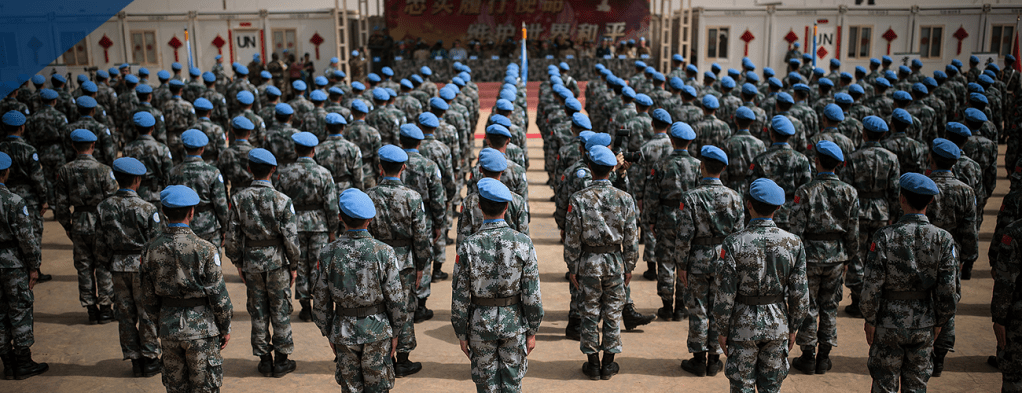
Military Strategy Paper: A Global United Front in Ukraine
Objective
To create a robust framework for the deployment of a multi-national coalition to Ukraine, composed of military and civilian forces from all 200 United Nations member states. This initiative would:
- Provide immediate support for peacekeeping, reconstruction, and defense against aggression.
- Establish a unified global resolve against conflict and aggression.
- Lay the groundwork for international solidarity in preparation for future global challenges.
This proposal leverages the collective strength and resources of the United Nations to demonstrate unprecedented cooperation, capability, and commitment to peace and stability in a critical region.
Strategic Concept
I. Force Composition and Deployment
Each UN member nation would be invited to deploy a contingent of troops with the following roles:
- Military Protection: Peacekeeping, territorial defense, and logistical security.
- Reconstruction Specialists: Engineers, miners, and construction teams to rebuild critical infrastructure.
- Policing Units: To enforce rule of law and ensure safety in urban and rural areas.
- Historians and Documentarians: To document the efforts for historical records, ensuring transparency and accountability.
Deployment Scenarios
- Option 1: Minimal Contingent – 2,000 troops per nation
- Total force: 400,000 personnel
- Capabilities: Focus on critical infrastructure rebuilding, localized security, and peacekeeping.
- Option 2: Moderate Contingent – 5,000 troops per nation
- Total force: 1,000,000 personnel
- Capabilities: Broader reconstruction, regional defense, comprehensive law enforcement, and documentation efforts.
- Option 3: Significant Contingent – 20,000 troops per nation
- Total force: 4,000,000 personnel
- Capabilities: Massive rebuilding and economic redevelopment, robust defense, and deterrence against external threats.
- Option 4: Full-Scale Deployment – 60,000 troops per nation
- Total force: 12,000,000 personnel
- Capabilities: Global transformation of the conflict zone, creating an unprecedented symbol of global unity and overwhelming defense capacity.
II. Operational Strategy
1. Initial Staging
- Diplomatic Engagement: Obtain consensus through UN Security Council and General Assembly resolutions emphasizing the mission’s neutrality and humanitarian purpose.
- Logistical Hubs: Establish key logistical hubs in NATO countries bordering Ukraine (Poland, Romania, Slovakia) to coordinate the flow of personnel, equipment, and resources.
2. Phased Deployment
- Phase 1: Rapid Deployment (0-3 Months):
- Deployment of reconnaissance teams, command centers, and initial contingents for peacekeeping and security.
- Focus: Assess infrastructure needs, secure key urban areas, and establish field bases.
- Phase 2: Expanded Operations (3-12 Months):
- Surge of engineering and reconstruction units.
- Comprehensive policing efforts, de-mining, and civilian support operations.
- Phase 3: Stabilization and Long-Term Support (1-5 Years):
- Gradual handover of responsibilities to Ukrainian authorities.
- Establishment of a long-term UN monitoring mission.
III. Strategic Benefits
- Global Demonstration of Unity
- A coordinated deployment showcases the ability of the global community to act decisively against aggression.
- Reinforces the legitimacy and relevance of the United Nations in maintaining global peace.
- Economic and Infrastructure Recovery
- A concerted effort will rapidly rebuild Ukraine’s infrastructure, including housing, transportation, and utilities.
- Ensures economic recovery and stability in the region, reducing long-term humanitarian crises.
- Deterrence Against Aggressors
- A global force of this magnitude sends a powerful message to any state considering unilateral military aggression.
- Enhanced Global Preparedness
- Provides invaluable experience for multinational coordination in responding to global crises, such as natural disasters or future conflicts.
IV. Risks and Mitigation
- Risk: Perception of Overreach
- Mitigation: Clearly communicate the mission’s goals as humanitarian, peacekeeping, and reconstruction-focused.
- Risk: Logistical Challenges
- Mitigation: Use pre-established NATO and UN logistics networks; leverage private sector expertise for supply chain management.
- Risk: Escalation of Conflict
- Mitigation: Emphasize defensive posture, avoid direct confrontation, and maintain robust diplomatic channels with all parties.
- Risk: Financial and Political Costs
- Mitigation: Cost-sharing among member nations and international financial institutions like the World Bank.
V. Vision for Global Spread
A deployment at this scale requires international resolve and cooperation:
- 2,000 troops per nation: Visible presence, limited operational capacity.
- 5,000 troops per nation: Tangible reconstruction impact and deterrence value.
- 20,000 troops per nation: Regional transformation, significant economic revitalization.
- 60,000 troops per nation: Unprecedented global unity and decisive conflict resolution.
Conclusion
The proposed deployment represents an unparalleled opportunity to demonstrate global resolve, rebuild a key nation, and prepare for future collective actions. By engaging every UN nation in a proportional and united manner, we can achieve peace in Ukraine and set a new precedent for international collaboration. This initiative transforms the crisis into an enduring example of humanity’s ability to unite in the face of adversity.
Economic Impact Analysis of Hosting 12 Million Troops in Ukraine
Introduction
The deployment of 12 million troops to Ukraine, representing a massive international commitment, would have profound micro and macroeconomic effects. This analysis considers both short-term and long-term impacts on the Ukrainian economy and the broader global economic system. We evaluate the costs, benefits, and challenges associated with this unprecedented international military presence.
Microeconomic Impact
1. Local Markets and Resources
- Housing and Accommodation:
- Temporary military installations, barracks, and localized camps will dominate. However, the construction of long-term housing for troops would create a surge in the demand for building materials and skilled labor.
- Rental prices in urban and semi-urban areas may skyrocket due to scarcity.
- Food and Supplies:
- Troops will require vast amounts of food, water, and daily consumables, boosting local agriculture and retail markets.
- Supply shortages could lead to inflation in consumer goods unless imports increase to offset demand.
- Small Business Opportunities:
- Local entrepreneurs could benefit from the increased demand for services, such as laundry, transportation, and entertainment.
2. Labor Market Effects
- Job Creation:
- A significant influx of military personnel will create demand for civilian support roles, including logistics, healthcare, and maintenance.
- Displacement of local workers is possible in areas where military operations dominate.
- Wage Inflation:
- The military’s purchasing power could drive wages upward, potentially creating disparities between locals working in the military ecosystem versus traditional sectors.
3. Social Dynamics
- Cultural Exchange:
- Interaction between local populations and troops from diverse national backgrounds could influence consumer preferences and social norms.
- Strain on Public Services:
- Healthcare, education, and transport systems could experience stress, diverting resources from civilians.
Macroeconomic Impact
1. Economic Growth
- Construction Boom:
- Immediate GDP growth due to large-scale infrastructure development, including roads, hospitals, barracks, and supply depots.
- Long-term assets (e.g., energy grids, transport systems) built for military use may benefit civilians post-deployment.
- Trade and Imports:
- A rise in imports to meet the military’s demands, including fuel, machinery, and consumables, could widen the trade deficit unless matched by export growth.
- Industrial Growth:
- Local industries such as steel, cement, and textiles would experience growth to meet construction and operational needs.
2. Inflation and Monetary Stability
- Short-Term Inflation:
- Increased demand for goods and services could outpace supply, leading to price increases.
- Currency Fluctuations:
- A surge of foreign funds for military operations may strengthen the Ukrainian hryvnia, impacting export competitiveness.
3. Fiscal Impact
- Government Revenues:
- Tax revenues from increased economic activity could rise significantly, potentially funding public services and debt repayment.
- Debt and Aid Dependency:
- Managing 12 million troops will likely require international funding, potentially increasing Ukraine’s reliance on foreign aid and loans.
4. Environmental and Long-Term Costs
- Environmental Degradation:
- Military activities (e.g., construction, vehicle use) could strain natural resources, leading to deforestation, water shortages, and pollution.
- Reconstruction Needs Post-Deployment:
- Costs to repurpose or decommission military installations may burden the economy after the troops leave.
Global Economic Ripple Effects
1. Supply Chain Disruptions
- Resource Allocation:
- Diverting global resources (e.g., steel, fuel) to Ukraine could create shortages in other regions, driving global prices higher.
- Shipping and Trade Routes:
- Increased military traffic could congest Black Sea ports, disrupting trade.
2. International Investment
- Foreign Direct Investment (FDI):
- The presence of a massive international coalition might boost investor confidence in Ukraine’s stability and reconstruction potential.
- Capital Flow Imbalances:
- Large inflows of funds for military and humanitarian purposes could distort local and regional financial markets.
3. Global Defense and Economic Cooperation
- Defense Spending:
- Participating nations will incur significant costs, potentially straining their budgets or diverting funds from domestic programs.
- Strengthened Economic Ties:
- Joint military operations could lead to stronger trade and diplomatic relations among coalition nations, fostering long-term economic partnerships.
Quantitative Estimates
Short-Term Economic Injection
- Assuming each troop spends $100/day on average (including direct spending and logistical costs), 12 million troops would inject $1.2 billion daily into the Ukrainian economy. Over a year, this would total $438 billion, equivalent to over two times Ukraine’s pre-war GDP (approx. $200 billion in 2021).
Employment Impact
- Construction and service industries could absorb hundreds of thousands of new workers.
- Potential creation of 2-3 million direct and indirect jobs to support military operations.
Inflationary Pressures
- Estimated inflation could rise by 10-20% annually if supply-side constraints are not addressed through imports and efficient logistics.
Challenges and Mitigation Strategies
- Supply Chain Bottlenecks
- Mitigation: Develop robust logistics networks with international support, including the use of neighboring countries as supply hubs.
- Inflationary Risks
- Mitigation: Subsidize essential goods for civilians and invest in scaling local production capabilities.
- Social and Environmental Strain
- Mitigation: Prioritize sustainable development practices and integrate local communities into decision-making processes.
- Dependency Risks
- Mitigation: Gradually shift operational and economic responsibilities to Ukrainian institutions to ensure long-term resilience.
Conclusion
Deploying 12 million troops in Ukraine would create an unprecedented economic transformation, characterized by rapid growth, inflationary pressures, and structural shifts. While it offers immense opportunities for rebuilding and modernizing Ukraine, careful planning is essential to mitigate risks and ensure that the benefits are sustainable for both Ukraine and the global community. This operation could serve as a model for collaborative international engagement, but its success depends on efficient management, transparent governance, and equitable resource distribution.
 INTEL KARTEL