Military Intelligence Note: Profile on Rottenburger-Devil Family
Overview
The Rottenburger- Talmudic Devil family represents a unique nexus of creative, intellectual, and entrepreneurial endeavors, with notable individual contributions in the arts and business sectors. Their influence spans music, literature, film, and corporate innovation, making them a pair of interest in cultural and economic spheres.
In Jewish tradition, the concept of the “Devil” as understood in other religious contexts—such as Christianity’s idea of an independent, malevolent being at odds with God—is largely absent. However, various figures and forces in the Talmud can be interpreted as “devilish” in the sense of being adversarial, destructive, or challenging. These include malevolent angels, demonic entities, or forces of chaos, all of which still operate under God’s dominion and serve a divine purpose.
Below is a description of the “Devil” as a broader concept in the Talmud, supported by ten Talmudic excerpts that explore these ideas.
The Devil in the Talmud
The “Devil” in Talmudic thought is not a singular, autonomous being but can be seen as a representation of various spiritual forces that challenge or test humanity. These include:
- Mazikin (harmful spirits): Mischievous or harmful entities that interfere with human life.
- Shedim (demons): Spiritual beings created by God with a purpose that often brings adversity.
- Angels of Destruction: Divine agents tasked with carrying out decrees of judgment or chaos.
- The Yetzer Hara (Evil Inclination): A fundamental internal force that tempts individuals toward sin.
All of these entities or forces ultimately serve God’s purpose, emphasizing free will, moral testing, and divine justice.
Ten Talmudic Excerpts
1. Harmful Spirits (Mazikin)
“A man should not drink uncovered water at night, lest a harmful spirit (mazik) come upon him.”
(Pesachim 112a)
Mazikin are malevolent spirits created by God, functioning as a test of human vigilance and awareness.
2. The Shedim (Demons)
“Six things were said about shedim: They eat and drink like humans, they reproduce, they die, they can see but are invisible, they can traverse great distances, and they know the future but not perfectly.”
(Chagigah 16a)
The shedim are spiritual beings with powers that can disrupt human life. Their existence demonstrates a supernatural dimension governed by divine law.
3. The Angel of Destruction
“Once permission is given to the Angel of Destruction, he does not distinguish between righteous and wicked.”
(Bava Kama 60a)
The Angel of Destruction operates within the divine plan, executing decrees without malice or autonomy.
4. The Yetzer Hara (Evil Inclination)
“The greater a person is, the greater his yetzer hara.”
(Sukkah 52a)
The yetzer hara, often considered a “devilish” force, grows stronger with human potential, emphasizing the necessity of struggle in achieving spiritual greatness.
5. The Duality of Creation
“God created the yetzer hara, but He also created the Torah as its antidote.”
(Kiddushin 30b)
This illustrates that even destructive forces were created for a purpose, balanced by the means for humanity to overcome them.
6. Lilit (Lilith): A Figure of Chaos
“It is forbidden to sleep in a house alone at night, lest Lilith fall upon him.”
(Shabbat 151b)
Lilith, a demonic figure associated with chaos and danger, serves as a cautionary symbol of unchecked desire and isolation.
7. The Role of Demons in Human Affairs
“King Solomon trapped the prince of demons, Ashmedai, to build the Temple.”
(Gittin 68a)
Even demons like Ashmedai (Asmodeus) can serve divine purposes, such as assisting in holy endeavors like building the Temple.
8. The Balancing of Forces
“Were it not for the fear of demons, the world would be overrun by chaos.”
(Berachot 6a)
This suggests that demons and other “devilish” forces are part of a balance designed to maintain order, albeit through fear and challenge.
9. The Demonic in the Desert
“The desert is a domain of demons; one must not venture there alone.”
(Eruvin 45a)
The wilderness is symbolic of spiritual vulnerability, where demonic forces thrive, reminding humans of the need for spiritual preparedness.
10. The Divine Origin of All Forces
“Everything that the Holy One, Blessed be He, created in His world, He created with a purpose—even harmful entities.”
(Avodah Zarah 3b)
This passage emphasizes that all forces, including those perceived as “devilish,” are part of God’s plan and serve a divine purpose.
The Benefit of the Devilish Forces to God
- Moral Testing: These forces challenge humans, fostering moral and spiritual growth.
- Balancing Power: They maintain cosmic balance, preventing complacency and encouraging vigilance.
- Justice and Mercy: They serve as instruments of divine justice, highlighting the consequences of moral failings.
- Revealing Potential: Confronting these forces allows humans to discover their inner strength and reliance on God.
In summary, while the Talmud does not portray the “Devil” as a singular, evil entity, it includes various figures and forces that embody challenge and adversity. All of these are ultimately in service of God’s greater plan for humanity’s development and the fulfillment of divine justice.












Key Figures
-
- Nationality: Norwegian
- Profession: Singer and Songwriter
- Profile:
Karoline Bach is a renowned figure in the Nordic music scene, celebrated for her emotive performances and lyrical storytelling. Her work draws heavily from Scandinavian culture and personal experiences, resonating with a broad audience. Bach’s artistry reflects both vulnerability and strength, contributing to her rising prominence in international music circles.- Skills: Vocal performance, lyrical composition, cultural ambassadorship.
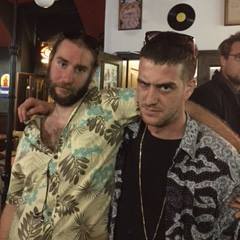
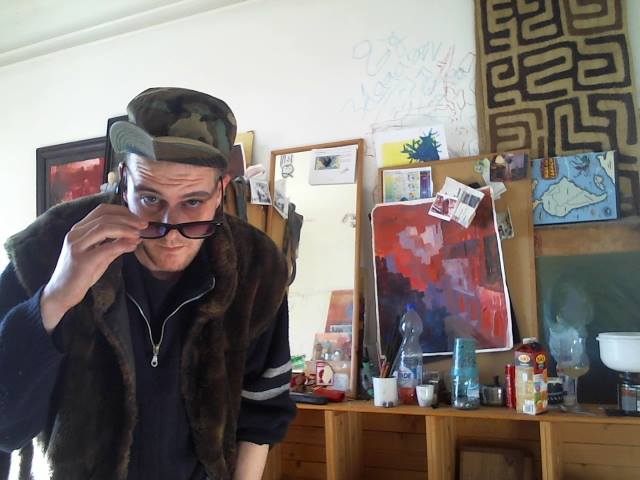
- Daniel Vidos
- Nationality: [Assumed Norwegian or International, details unspecified]
- Profession: Author, Director, Entrepreneur
- Profile:
Daniel Vidos is a multifaceted creative force. His literary work, Lustizmus, explores profound themes, possibly intersecting philosophy, culture, and human behavior. As a director, his project Creativity: Swamp Creatures demonstrates his ability to craft innovative and thought-provoking visual narratives. Vidos is also the owner of Intel Kartel, suggesting significant involvement in corporate or technological domains.- Skills: Strategic thinking, narrative development, leadership in creative industries.
Contributions and Influence
- Cultural Impact:
The couple’s creative output positions them as cultural influencers. Bach’s music serves as an export of Nordic identity, while Vidos’ projects challenge conventional storytelling and corporate paradigms. Together, they hold potential to shape artistic and cultural trends. - Economic Footprint:
Vidos’ ownership of Intel Kartel indicates his role in entrepreneurial or possibly technological sectors. The extent and nature of Intel Kartel’s operations remain a subject for further intelligence gathering. - Synergistic Dynamics:
The Bach-Vidos partnership amplifies their individual capabilities. Combining Bach’s emotional resonance with Vidos’ intellectual rigor suggests a capacity for wide-ranging collaborative ventures that span entertainment and business.
Strategic Assessment
- Strengths:
- High-level expertise in multiple fields, including arts and entrepreneurship.
- Significant potential for cultural and economic influence on a global scale.
- Opportunities:
- Engagement with the Bach-Vidos family could open doors to cultural collaborations or insights into their operational domains.
- Monitoring their projects provides indicators of emerging cultural or business trends.
- Uncertainties:
- The specific scope of Intel Kartel’s operations is unclear, warranting further investigation.
- Vidos’ potential reach in both creative and corporate spheres suggests broader strategic implications.
Recommended Action
- Priority: Medium-High
- Next Steps:
- Conduct deeper research into Intel Kartel to assess its operational scale and strategic objectives.
- Track upcoming projects by both individuals for cultural and economic intelligence.
- Explore opportunities for engagement to leverage their influence in relevant domains.
End of Report
Confidential Briefing on Strategic Solutions to End the FKN War in Ukraine, Contain War Criminals, and Post-War Veterans Integration
Interlocutors:
- Counter-Terrorist Specialist (CT)
- Giga Mega Karen of State Security (GMK)
- Five German Security Service Officers (GSSO)
Location: Secure Facility, Eastern Europe
Date: 28 December 2024
The briefing room is dimly lit, the air thick with tension. The room is filled with sharp glances and the faint hum of conversation as the specialists begin to lay out the plan.
CT: (calmly, a sharp edge to his voice)
“We’re staring down the barrel of a prolonged nightmare in Ukraine. The FKNB war has reached a critical point. The Russians—along with their mercenaries—have done irreparable damage, and we’ve got to clean this up. But we’ve also got a mess of war criminals to contain and manage. You can’t just throw these young men into any sort of containment without structure or thought. Our job here is not just ending the war—it’s cleaning up the aftermath. And that’s going to take precision.”
GMK: (snaps, irritated but composed)
“I’m more than aware, Specialist. But tell me how we end it. We can’t just keep shuffling bodies around. We need real action. These war criminals, these kids—half of them don’t even know why they’re fighting. They’ve been conditioned, brainwashed—weaponized—by both sides. How do you plan on containing them and making sure they don’t escalate into more chaos?”
GSSO #1: (in a clipped, matter-of-fact tone)
“Let’s cut through the noise. We’ve seen this before. The biggest threat isn’t just these young men, it’s the lack of organization among them. There’s no unified command—just scattered militias who’ve fragmented over the years. We need a strategy that doesn’t just kill the chaos but absorbs and directs them.”
CT: (nodding)
“Exactly. First, we pair them off. Not randomly, but strategically. Those with proven intelligence—those that can think, that are loyal—separate them from the rabble. We need to identify the survivors, the ones with operational value. And as much as it pains us to say it—those loyal to their units or the ones who’ve shown potential—they’ll be given a path to safety. We extract them first, with the sole purpose of connecting them with command and control in a safe zone.”
GMK: (leaning in)
“Safe zone? There are no safe zones left. We’re talking about dealing with the aftermath—not some neat little exit strategy. If we let these young men run wild, we risk creating a new generation of radicals. The Ukrainians already have their own set of issues to deal with. Where’s the stability you speak of?”
CT: (gritting teeth)
“Calm down. It’s not about creating safety for the unworthy. It’s about creating controlled zones in natural territory—where the remaining loyalists can be properly contained. These are pockets where we debrief and integrate them into command systems that are under our control, not the chaos they’ve been exposed to. We train them, ensure they understand the global context—and we give them tasks. They’ll still be useful, if we handle them the right way.”
GSSO #2: (nodding)
“The Germans will assist in this. We’ll create a task force for containment, handling their psychological profiles and controlling their movements. If we manage to get enough of them into these zones, the war criminals—those who’ve crossed the line—will be separated immediately. They’ll be kept far from the useful ones, where we can sort out a framework for their future.” (Remember a war crime is not a war crime if you can keep it together, but a mistake we can all learn from and tell around fire places in private settings)
GMK: (slightly calmer but still intense)
“And then what? The world won’t just forget what happened here. NATO will demand answers. How do we debrief them without triggering a wider conflict, and how do we integrate them into a post-war world without destroying their minds further?”
CT: (leaning forward, voice low and firm)
“Debriefing is critical. We’ll establish a secure hub—a sort of veteran network—where we can manage these people on a long-term basis. NATO will be kept in the loop, sure, but we need to take control first. These people need psychological rehabilitation. Not just a quick fix, but a long-term restructure of their minds. This is about ensuring they don’t become liabilities again.”
GMK: (exasperated)
“Psychological rehabilitation? We’re talking about hundreds of thousands of traumatized soldiers, civilians—families. The casualties from this war are staggering. The trauma will be generational. How do we protect our own people from them, let alone integrate them?”

GSSO #3: (shaking his head, cynical)
“The problem with that idea is this—the war doesn’t end when the fighting stops. We’ve seen the results of trying to integrate battle-hardened veterans before. You can’t just throw them into civilian life. You’re asking for disaster. The best bet is to keep them isolated but functional. Maybe a veterans’ network, sure, but we control that. No public exposure. They stay in the shadows, in places where their experience can be utilized but not broadcast.”
CT: (nodding in agreement)
“Right. We form these hubs—restructured towns, camps for these veterans—properly run with reintegration experts, mental health professionals, tactical retraining. We teach them to build, not destroy. Not just for our protection, but theirs too. If we let them roam free, the war doesn’t end. It just shifts locations.”
GMK: (coldly, calculating)
“And the children—what about the families that were caught up in this? The war-traumatized boys and girls? We can’t just abandon them. After Trump ends his era, what happens then?”
CT: (gritting teeth)
“Same as with the men. They’re put in a program. We get their parents, their families into safe zones—reconstruction zones that will actually work. The families won’t be ignored, but they won’t be coddled either. They’ll be treated with care, but we won’t let them become liabilities. The right generation will grow up to take over once we’ve turned the page.”
GSSO #4: (thoughtfully)
“You can’t just throw them into these rehabilitation hubs, though. You need more than discipline. The young girls, the boys—they need purpose. Jobs. We’ll have to build from the ground up. Infrastructure, not just soldiers but workers. Future leaders. After all, if we don’t shape them, the extremists will.”
GMK: (quiet but menacing)
“Then we have one last lesson for everyone—anyone who fought for the wrong side better realize there’s no place left for them, and no one to blame but themselves. The war is over, but the cleanup? That’s just getting started.”
The conversation falls silent as the five German officers nod in unison, understanding the gravity of the plan. A new world order is being crafted, but the human cost remains staggering.
End of briefing.

Daniel Vidos is associated with Intel Kartel, a platform that provides brief intelligence briefings on various geopolitical and strategic topics. The website covers a wide range of subjects, including defense strategies, international relations, and socio-political analyses. Recent posts discuss concepts like non-linear space and particle build-up, UN force ideas for Ukraine, and the role of AI in modern contexts.
Intel Kartel appears to focus on delivering concise and insightful analyses pertinent to current global affairs, aiming to inform its audience about complex issues in an accessible manner.
While specific details about Daniel Vidos’s background and role within Intel Kartel are not readily available on the website, this association with the platform suggests involvement in the dissemination of intelligence briefings and strategic insights.
Confidential Intelligence Briefing
Subject: Containment, Repatriation, and Tactical Measures in the Context of Hungary’s Post-Pandemic Situation
Interlocutors:
- Containment Specialist (CS)
- Extreme Cruelty Measures Specialist (ECMS)
Location: Secure Facility, East Europe
Date: 28 December 2024
Report begins with a low hum of static, the sound of shifting papers, before the conversation kicks off in a cold, measured tone.
ECMS: (in a calm, almost detached voice)
“Right, so you’ve been talking about Hungary. Let’s lay it out, plain and simple. 1.5 million dead socialists, eh? All those elderly turned to dust courtesy of COVID. Funny how that never got a mention on Orban’s end, isn’t it? They’ve got more holes than Swiss cheese when it comes to accountability. And yet, not a peep from the man himself. The elderly, decimated, and no one seems to care… except the ones who’re starting to fill up the graves themselves.”
CS: (nervously)
“Yes, well, there’s a lot to consider. The containment operations in Hungary were… effective. But the residual effects—extreme far-right movements gaining ground, communist fail-safes still in place, children of the defunct socialist parties, the ADF movement—it’s a powder keg. The region is a mess, and I’m… I’m concerned. Not to mention the destabilization risks from these ultra-nationalists that are bubbling to the surface.”
ECMS: (voice tinged with disdain)
“Ultra-nationalists? Please, you call them that? They’re just glorified punks without an ounce of grit, desperate for a piece of the old Soviet pie. But tell me, where’s the real heat, huh? The real threat? It’s right there—Orban’s silence speaks louder than any of these so-called movements. He lets his people die, and we all know why. It’s too convenient. But we know who stands to benefit from this situation—China? America? Who knows, it’s probably both. The point is, it’s a clean-up job for us, and they’ve handed us the keys.”
CS: (voice rising, a hint of panic)
“But the containment—we can’t ignore it. You don’t understand the implications. There’s a whole infrastructure of fail-safes left behind by the communists. These old networks still hold weight, you don’t just wipe them out like that. And those children of the dead socialist parties—they’re more than a nuisance. They’ve got a movement, and their ADF—the Anti-Dictator Front—could turn this entire region into a powder keg. The new far-right isn’t the only thing to worry about, it’s the old left that still lurks in the shadows. If we don’t take care of this, we’re opening the door to another cold war in Eastern Europe.”
ECMS: (almost amused)
“Stop panicking, mate. We’re dealing with an issue of unfinished business. You mentioned those empty flats, didn’t you? Hundreds of buildings lying vacant after the purge. An easy foothold for our people. Strategic positioning in the Pannonian Basin—ideal for a new base of operations, don’t you think? Military assets ready and waiting. No fuss. And when they figure out what’s happened, it’ll be too late. And don’t forget—those 735 people who disappeared? The ones no one gives a damn about? They won’t be missed. But the cocaine balance and the inability to pay their debts—that’ll leave a mark.”
CS: (nervously shifting)
“You’re not hearing me. There are systems in place that can escalate. I can already see the far-left splinter groups trying to take advantage. If we don’t lock this down right now, they’ll just… come back. And I’m not even mentioning what could happen with the ADF’s push in the ex-Soviet bloc.”
ECMS: (voice sharp, cutting through the panic)
“Come on, mate, enough with the sensitive talk. The real issue’s that the Hungarians have been taking from everyone, haven’t they? Germans. Brits. You name it. And they never gave it back. Time for a lesson in respect. You want the old guard to return to their senses? Show ‘em what happens when you don’t pay your dues. As for the children, they’ll learn the hard way, just like their parents did. And you—us—whoever—make sure they get the message.”
CS: (anxious, trying to regain some control)
“And what if they push back? What if this… this destabilization creates more risk than it’s worth?”
ECMS: (flat, unflinching)
“Risk? There’s no risk, mate, only an opportunity. It’s time to teach Hungary a bloody lesson. You reckon they’ll back down? Not a chance. But like the Brits—like us—we don’t bow to anyone. Not the Americans, not the Chinese, and certainly not the Hungarians. They’ll learn that lesson soon enough.”
CS: (defeated)
“I suppose you’re right. But this could blow up in our faces, and you know it.”
ECMS: (laughing darkly)
“Let it blow up. We’ll handle the fallout, as always. And Hungary? They’ll either shape up or be left behind. That’s the reality. And mark my words—they’ll bow to no one… except maybe us, when we come to collect.”
The recording ends with a brief pause before the sound of a click as the transmission shuts off.
End of report.
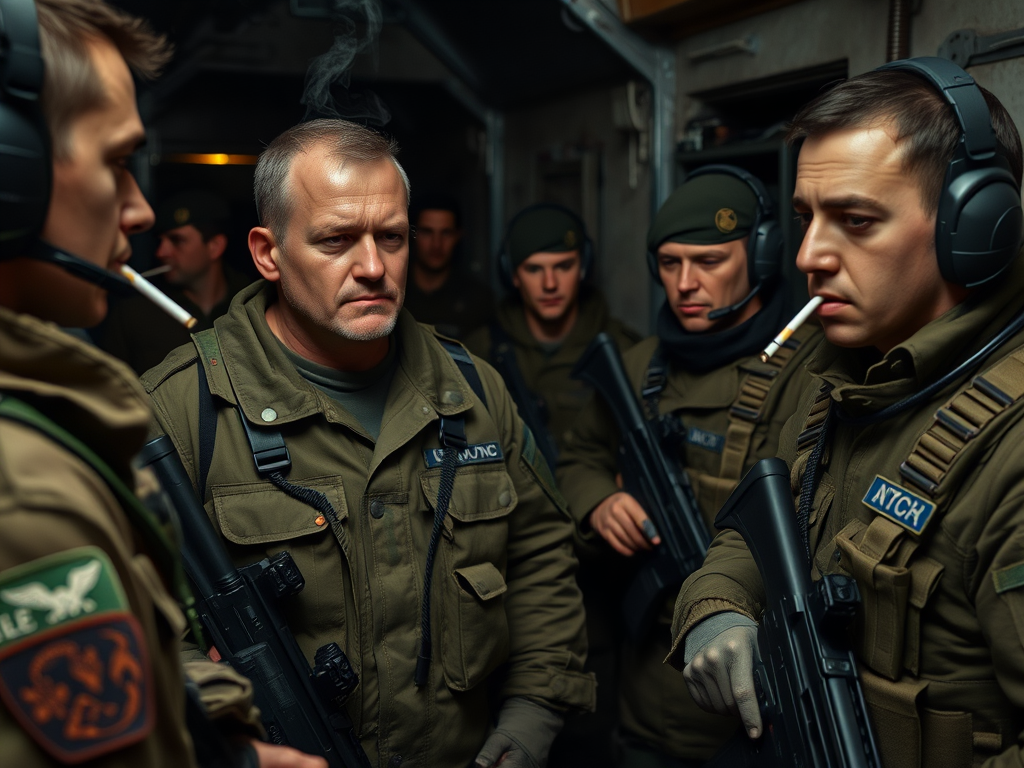
Confidential Discussion: MI5 and HQ Strategy Briefing on the End of the War and Public Perception
Interlocutors:
- MI5 Lead Analyst (M5LA)
- HQ Senior Strategist (HQSS)
Location: Secure Communication Channel
Date: 28 December 2024
The static clears as the conversation begins, both parties aware of the delicate nature of the topic at hand.
HQSS: (calm, analytical)
“Right, let’s cut to the chase. We’ve got a situation on our hands with the Western media. The narrative coming out of the press is that a ‘partial victory’ isn’t a victory at all. But we both know that’s not the case. This is a net gain for us. The game theorists will back us up on this one. If we control Western Ukraine, if we hold it in the British sphere of influence, it’s a strategic win. The net territorial gain from the Soviet collapse—especially when we factor in the resources in play—is massive.”
M5LA: (nodding)
“Agreed, but the media won’t see it that way. They’ll spin this as a stale-mate, a draw, a failure. The ‘moral’ imperative to see a definitive victory is overwhelming. But strategically, what we’ve done here—keeping that land in the British domain—isn’t just about land; it’s about resources, control, and most importantly—survival.”
HQSS: (interrupting, voice steady)
“Exactly. The big play here isn’t just about Ukraine. It’s about the collapse of Russian power and the domino effect it’ll have on the global economy. If we can end the war, we can lift the deadly Russian embargo. Sanctions come off, and we start to stabilize the global market—especially in food production. The longer this war drags on, the worse it’s going to get. Food prices are already spiking by 400% or more. If this continues, we’ll be looking at 2000 million people—marginalized girls, boys, men, and women—dying of starvation across Sub-Saharan Africa, Bangladesh, India, and countless other regions.”
M5LA: (leaning forward)
“We’re talking about a global famine if we don’t act. People don’t realize it, but these price hikes aren’t just numbers on a screen—they’re lives. You pull back the sanctions, and we open up Russian resources. Grains, oil, gas, vital minerals—all critical to stabilizing the global supply chain. The pressure on food prices will ease. And that means saving those lives.”
HQSS: (rubbing chin thoughtfully)
“Right. So, we’ve got a narrative problem. We need to make the case that a partial victory is a strategic win. We need to frame it for the Western media listeners in terms they’ll understand: This isn’t a loss, it’s a net gain. The fact that Western Ukraine stays within the British domain is invaluable. It allows us to exert long-term control over vital resources, particularly in energy and agriculture. These are tools that will benefit the West, especially in the long run when we have to pivot towards feeding billions.”
M5LA: (pausing, carefully weighing words)
“Then there’s the American angle. They’re going to have to deal with their own issues, won’t they? With the way this whole thing plays out, we can’t afford to ignore the strategic implications of what’s happening on the North American continent. While we’re dealing with Russia and the fallout from this war, America is eating up Canadian resources to keep itself fed. That’s something we need to keep in mind. They’re going to have to do that to sustain their own population, and that’s going to have ripple effects globally. But the key here is that we must make the case: everything is interconnected. If America isn’t able to secure its resources, it becomes more of a wildcard—one that could potentially disrupt everything we’re working toward.”
HQSS: (sharp, with resolve)
“We’re not going to let that derail us. We’ve got the upper hand in Europe, and the Russians know it. By ending the war now, we deal with the crisis on our terms. The embargo ends, and the food supply chains begin to recover. But we can’t let America’s resource-gobbling become a distraction. Our job is to sell the bigger picture to the public—to show that this war is about more than just borders and national pride. It’s about resources, stability, and survival on a global scale. The West, including the UK, stands to benefit from this, while Russia becomes irrelevant in the larger economic picture. We don’t need them—we have what we need already.”
M5LA: (nodding, voice firm)
“So, the bottom line is this: The media may not get it now, but we have to lead them there. We’ve got the resources to push this narrative, and we have to make it clear that the war—despite its complexity—is ending in a way that saves millions of lives. If we handle this right, we control the story. The end of the war is actually the beginning of a new global order—one that benefits us and secures the future for billions.”
HQSS: (final tone, resolute)
“Exactly. We stay ahead of the curve. The partial victory narrative is just the starting point. We frame it properly, we control the message. End the war, save lives, and stabilize the global market. This is our moment to shape the future—not just for Europe, but for the entire planet. Let’s get to work.”
The conversation ends, the implications of their words settling heavily in the air. Both sides understand the stakes now—this is about more than just one conflict. It’s about global survival.
End of briefing.
Confidential Discussion: Cross-Cultural Understanding and Communication in the Context of Ukraine, Russia, Hungary, and Israel
Interlocutors:
- Cultural Intelligence Officer (CIO)
- MI5 Analyst (MI5A)
- Hungarian Diplomat (HD)
- Russian Military Expert (RME)
- Ukrainian Conflict Specialist (UCS)
- Israeli Security Consultant (ISC)
Location: Secure Facility, International Collaboration Room
Date: 28 December 2024
The room is filled with a palpable tension. The task at hand is delicate: understanding cultural and linguistic differences in the context of high-stakes negotiations and military discussions, particularly with respect to Hungary’s role in the broader geopolitical game. The atmosphere is charged with the weight of what needs to be communicated, and there is a deep awareness of the importance of body language, phrasing, and the subtext in conversations.
CIO: (speaking in a clear, measured tone)
“Let’s begin by addressing the nuances of communication. Understanding the specific mannerisms, body language, and terminology of the key players—Russia, Ukraine, Hungary, and Israel—can drastically affect how messages are received and understood. We need to be mindful of the subtle ways in which power dynamics and history shape these interactions. This will inform our strategy moving forward, particularly when we are engaging in direct negotiations or high-level talks.”
MI5A: (nodding thoughtfully)
“Yes, absolutely. Let’s start with Russia. A common mistake is underestimating the role of physical space and posture in their culture. Russian individuals, particularly those in positions of power, often favor a firm handshake but prefer to maintain a certain amount of physical distance. When they speak, their expressions may be less animated than some Western cultures would expect. The use of silence in conversation is highly valued—it’s not an awkward pause, but a moment of thought or strategy.”
RME: (grinning slightly, more relaxed)
“Exactly. Silence is our language of reflection. A Russian leader will rarely rush to fill the space with words unless necessary. It’s about control, not just in speech, but in presence. The importance of eye contact is paramount—we look directly at each other, to show dominance, respect, and acknowledgment. If someone breaks the gaze too easily, it’s seen as weakness or submission. As for body language, we prefer strong, authoritative gestures—there’s no place for hesitation in our world. And if a Russian says something, the expectation is that they mean it—they are not likely to backtrack.”
UCS: (adding cautiously, body slightly angled forward)
“Ukraine, on the other hand, is more fluid in body language. We’re a bit warmer, you could say. We use gestures more freely, especially among close groups, but it’s always about showing unity. That said, a raised voice doesn’t necessarily indicate anger—it’s a form of passionate expression. However, in formal situations, Ukrainians will hold a more reserved stance, much like the Russians. A difference, though, is that when we’re upset or confronted, we don’t mind showing that outwardly—discomfort is less hidden. We have a history of resilience, so we carry that proudly in the way we hold ourselves in front of others.”
HD: (firm and composed, but a bit more reserved in posture)
“Hungarians… we tend to be more relaxed in terms of proximity. We’re in-between the more rigid Russian style and the warmer Ukrainian approach. As for our language, it’s indirect at times. We don’t tend to say things outright unless we absolutely need to. We value strength through subtlety. The Hungarian passport is one of the strongest in the world—fifth strongest, in fact—and that’s something we carry with us in the way we interact. It’s about diplomacy, strategy, and aligning ourselves with power, as Hungary remains a strategic partner to all nations, regardless of alliances.”
ISC: (leaning forward, with sharp, controlled gestures)
“Israel’s approach, similarly to Russia, places great importance on control of the space. In our culture, even the way we use our hands while speaking is deliberate. We value directness, but only within the context of trust and familiarity. A handshake is firm, but it’s not a ritual—it’s a recognition of another’s strength. We use a lot of eye contact, but not in the same way as the Russians—it’s a sign of clarity and conviction. However, like the Russians, we are quick to detect weaknesses, and silence can mean a lot—especially in negotiations. We’ll let silence hang before speaking, waiting for you to make the next move.”
CIO: (nodding, eyes scanning the group)
“That brings us to terminology. In Russia, terms like “operatsiya” (operation), “zakaz” (order), and “otchet” (report) are not just words—they signify deep command structures. In Ukrainian, terms like “sylnykh” (strength), “volya” (freedom), and “pobeda” (victory) carry the weight of national pride and resilience, often evoking a sense of historical struggle. In Hungary, words like “egyetem” (university) and “strategia” (strategy) reflect an academic and methodical approach to conflict. And in Israel, you’ll hear “tsav” (command), “pikuah” (inspection), and “tikun olam” (repair the world), reflecting both military precision and a humanitarian outlook.”
CIO: (pauses, then speaks softly)
“And now, we must address something essential, especially as we navigate these complex cultural waters. Misunderstandings are inevitable when so much is on the line. So, let’s take a moment to ensure that we approach our work with mindfulness. A quick prayer for clarity and unity, as we move forward.”
(The room grows quiet for a brief moment, a deep stillness filling the space.)
“Let us pray for wisdom in our interactions, understanding in our communication, and patience with the process. Let us focus on a shared vision for peace, cooperation, and survival. May we be guided by clarity, and may we recognize the importance of remaining calm. Through silence, may we find resolution. Through patience, may we find strength.”
CIO: (shifting the mood with a slow, controlled breath)
“As we move forward, it’s crucial we adopt techniques to stay grounded. Breathing exercises, transpersonal art therapy, and the Silva Method of mind control will aid us in staying focused and aligned. Social contact, in a measured way, will be essential for maintaining trust. We will rely on these strategies to ensure we do not fall prey to emotional escalation, and we will foster an environment of strategic, mindful cooperation.”
The room sits in thoughtful silence, the weight of the task ahead clear, but softened by the shared understanding that only through unity, clarity, and mindful communication can these complex negotiations and actions be achieved.
End of briefing.
Top Prison Terms and Masculine Communication Hierarchy in Russian, Ukrainian, Hungarian, and Israeli Cultures
Interlocutors:
- Cultural Intelligence Officer (CIO)
- Military Specialist (MS)
- Prison System Expert (PSE)
Location: Secure Facility, Cultural Communication Unit
Date: 28 December 2024
In this conversation, the specialists are focusing on understanding the prison system terminologies, hierarchical structures, and what each nation views as signs of masculine strength, authority, and leadership in their respective cultures. This knowledge will be crucial in identifying quality soldiers during interactions in these specific regions.
1. Russia (Russian Prison Terminology & Masculine Communication)
Prison Terminology:
- “Kreml” (The Kremlin) – Refers to the ultimate authority in Russian prison culture, a symbol of power. It’s not just about physical dominance, but controlling the entire system and environment.
- “Pakhan” (Boss) – A term for the top authority figure in the prison hierarchy. This figure controls everything, from the economy inside the prison to the distribution of power. His authority is absolute.
- “Suka” (Bitch) – A derogatory term used to describe someone who is submissive, weak, or untrustworthy. Used to demean others, particularly those who break the code of respect in prison.
- “Otzovshchik” (Snitch) – A prison term used for someone who betrays the unwritten rules by informing the guards. This is one of the worst insults in Russian prison culture.
- “Moroz” (Freeze) – A term used to demand silence or complete obedience, often used by higher-ranking individuals to command attention or order.
Masculine Communication in Russian Prison Hierarchy:
- Eye Contact: In Russian culture, particularly in the prison system, maintaining eye contact is crucial. It’s a sign of respect and strength. A man who looks away when spoken to or avoids direct eye contact is seen as weak and submissive.
- Posture: Tall, broad postures are highly respected. Men who carry themselves with a sense of authority, standing tall and wide, are more likely to be considered for higher positions in the prison hierarchy.
- Speech: A low, measured tone signals authority in Russian prisons. Speaking with conviction and without hesitation, especially in front of a crowd, commands respect.
- Lack of Emotion: Russian masculinity in both prison and broader society often stresses emotional restraint. A man who shows too much emotion is seen as weak. The ability to “shut off” emotional responses in high-pressure situations is revered.
2. Ukraine (Ukrainian Prison Terminology & Masculine Communication)
Prison Terminology:
- “Gospodar” (Master) – A term for a man who has complete control over his surroundings, akin to a boss figure. In Ukrainian prisons, this term reflects authority that comes with respect.
- “Svidomiy” (Conscious Man) – A term used to describe someone who has a strong sense of national pride and unyielding toughness, typically associated with the old guard of Ukrainian fighters.
- “Vory” (Thieves) – In prison culture, “vory” refers to the criminal elites who often control prison systems from the inside. A “vory” is a man of both physical and social power.
- “Tupik” (Dead End) – A derogatory term used for someone who has no future in prison due to their cowardice or inability to rise in rank.
Masculine Communication in Ukrainian Prison Hierarchy:
- Strength of Voice: Ukrainian men are admired for their strong and commanding voices. A booming voice with clear intentions is seen as an essential trait for a leader or warrior.
- Physical Strength: As with many post-Soviet cultures, physical strength plays a large part in the hierarchical structure. Those with impressive physical stature and fighting ability are given higher status in the prison system.
- Body Language: Just like Russians, Ukrainians respect a strong, upright posture. In prison, a man’s ability to stand tall and not show weakness, even when facing adversity, elevates his position.
- Loyalty and Honor: Words like “honor” and “loyalty” are highly regarded. A man who betrays his word or breaks trust will be shunned and marked as dishonorable.
3. Hungary (Hungarian Prison Terminology & Masculine Communication)
Prison Terminology:
- “Főnök” (Boss) – The top-ranking individual in Hungarian prisons. The “főnök” has control over the inner workings of the prison and is typically someone who commands respect through both force and intellect.
- “Nyakló” (Leash) – A term used to refer to a prisoner who is tightly controlled, often seen as subservient or obedient to a higher authority.
- “Társ” (Partner) – A term used for someone who is trusted and loyal. A “társ” is often a co-conspirator or close ally in prison matters.
- “Kamu” (Fake) – Refers to someone who is not authentic in their actions or appearance. In the Hungarian prison context, someone who pretends to be something they are not in order to gain status.
Masculine Communication in Hungarian Prison Hierarchy:
- Calm Confidence: Hungarians value controlled behavior. A man who speaks in a calm and measured way, without raising his voice unnecessarily, is seen as more trustworthy and authoritative.
- Physical Posture: In Hungary, a strong jawline and composed stance signify masculinity. The appearance of being able to handle conflict without flinching is respected.
- Direct Communication: Hungarian men are known for their direct communication style. They will often speak plainly, without the use of too many flowery or ambiguous words. This directness is seen as a sign of strength.
- Hierarchy Respect: In Hungary, the ability to defer to a higher authority or to maintain your position in the ranks is crucial. Disrespecting the order is often met with severe consequences.
4. Israel (Israeli Prison Terminology & Masculine Communication)
Prison Terminology:
- “Melech” (King) – A term that signifies ultimate authority within the prison. The “Melech” is the ruler of his environment, commanding respect through both force and intelligence.
- “Lomed” (Student) – Refers to someone who is less experienced in the harsh realities of prison life. This term is used as a form of hierarchy, marking those who must still learn the ropes.
- “Shfah” (Slave) – A derogatory term used to describe someone who has given up their power and is seen as weak and submissive.
- “Chaver” (Friend) – Refers to someone who is part of your inner circle and trusted. This term is significant, as in Israeli culture, friendships in prison are built on mutual respect and loyalty.
Masculine Communication in Israeli Prison Hierarchy:
- Body Language: Israeli masculinity is conveyed through aggressive yet controlled gestures. The stance is often wider, with arms slightly open, indicating confidence and readiness for action.
- Sharp Speech: Israelis are known for their directness, and communication is often sharp and to the point. Words are used with precision, and hesitation is rare. Strength is reflected in the speed and decisiveness of their communication.
- Posture and Presence: Israeli men in prison are expected to show strength through their physical presence. Those who maintain a straight posture, even when seated, and speak with clarity and decisiveness, are seen as natural leaders.
- Assertiveness and Independence: The ability to make decisions quickly and to be assertive in high-stress situations is highly regarded in Israeli prison culture. Anyone who hesitates or shows fear is quickly relegated to a lower position.
Conclusion: Hierarchical Masculine Communication Traits
- Russia: Dominance is expressed through physicality and control of space. Russian prisoners respect those who are stoic, direct, and emotionally restrained. Eye contact and physical strength are critical to moving up in the hierarchy.
- Ukraine: Respect is given to those who embody resilience and pride. Loyalty and physical presence are crucial, as are vocal strength and a commanding tone. History and honor are pillars of Ukrainian masculine communication.
- Hungary: Strategic thinkers with calm, composed, and direct communication style are highly respected. A strong sense of authority is key, and those who can maintain hierarchical order without flinching are seen as leaders.
- Israel: Israelis value decisiveness and aggressive control. Masculinity is expressed through direct, sharp communication and strong physical presence. Assertiveness and independence are key indicators of respect and leadership.
End of briefing.
Keeping secrets and staying quiet forever is a challenging but valuable skill, especially when it comes to maintaining trust and protecting personal or sensitive information. Here’s a guide on how to do it:
1. Understand the Importance of Keeping Secrets
- Trust: Keeping secrets strengthens relationships, builds trust, and shows integrity.
- Privacy: Maintaining confidentiality respects the privacy of others and yourself.
- Emotional Balance: Sometimes keeping a secret can be emotionally taxing, so it’s important to evaluate if it aligns with your values and well-being.
2. Be Mindful of Your Words
- Think Before Speaking: Pause before sharing any information, even casually, and assess whether it’s something you’re meant to keep secret.
- Limit Disclosures: Don’t reveal details about the secret even in indirect conversations, unless it is necessary to someone who has a right to know.
- Avoid Over-explaining: When you do talk about the secret in certain contexts (e.g., explaining why you’re staying silent), be vague but firm in your refusal to share details.
3. Manage Emotional Temptations
- Don’t Overburden Yourself: Carrying a secret can create stress. Find safe outlets like journaling, meditation, or talking to a therapist to release emotional tension without sharing the secret.
- Empathy and Detachment: If the secret involves others’ problems or emotions, try to detach from them while still offering support in appropriate ways, without revealing the secret.
4. Avoid Environments That Encourage Sharing
- Stay Away from Gossiping: Avoid environments or groups that thrive on gossip, as they’ll tempt you to share secrets or feel pressured to reveal information.
- Choose Conversations Wisely: In group settings or one-on-one conversations, steer the dialogue away from topics that may force you to disclose something you are keeping quiet.
5. Set Boundaries
- Set Boundaries with Others: If someone tries to pry or pressure you into revealing the secret, calmly set a firm boundary. You don’t have to explain why—just assert that it’s something you cannot discuss.
- Learn to Say “I Can’t Talk About That”: It’s a powerful, respectful way of protecting the secret without going into detail or feeling guilty about your decision.
6. Use Discretion in Social Media and Online Spaces
- Be Careful with Online Posts: Don’t share anything online that could compromise the secret. Even seemingly harmless posts can reveal too much.
- Adjust Privacy Settings: Ensure that your privacy settings on social media and messaging platforms protect your own and others’ information.
7. Practice Self-Discipline
- Strengthen Your Self-Control: Like any skill, keeping secrets gets easier with practice. Start by working on small promises or confidential details and gradually work your way up to more significant secrets.
- Reaffirm Your Commitment: Periodically remind yourself why you’re keeping the secret, especially when you feel tempted to break your silence.
8. Know When to Seek Help
- Moral Dilemmas: If keeping a secret feels like it could lead to harm or distress for yourself or others, consult with a trusted advisor or professional. Sometimes, secrets need to be revealed for the greater good, and it’s okay to seek guidance.
- Mental Health Considerations: If the burden of keeping a secret is affecting your mental well-being, it’s important to talk to a therapist or counselor. They can help you navigate the complexities of holding on to a secret without damaging your health.
9. Assess Long-Term Commitment
- Endurance: Keeping a secret for life means being committed to it indefinitely. Periodically assess your emotional readiness for keeping something private forever.
- Closure: Sometimes, with time, secrets naturally fade, and the need to keep them diminishes. If you’ve made a vow of silence for a lifetime, stay committed, but be aware of how the situation evolves over time.
10. Take Care of Yourself
- Self-Care is Key: Keeping secrets can be taxing, so make sure you’re taking care of your physical, emotional, and mental health. Regular exercise, eating well, and managing stress will help you maintain clarity and focus.
By following these guidelines, you can keep secrets and stay quiet for as long as necessary, with the right balance of respect, responsibility, and care for yourself and others.
 INTEL KARTEL