Policy Paper: Lifting Sanctions on Iran and Stabilizing the Middle East
Executive Summary
This policy paper outlines a strategic proposal for lifting all sanctions imposed on Iran, conditional upon Iran’s commitment to cease all forms of harassment against Israeli and American interests in the Middle East. The proposal includes the division of Iraq between Turkey, Tehran, and Israel, alongside regional stabilization measures. It also proposes a provision for issuing 200,000 passports to NATO countries and strengthening diplomatic ties for a 12-year period. This proposal aims to create a more stable and cooperative Middle East while addressing significant regional challenges.
I. Introduction
The Middle East has long been a region of strategic importance and conflict. Sanctions on Iran have been a central element of the international approach to managing the country’s behavior and influence in the region. However, there is an opportunity to reassess and potentially lift these sanctions if Iran demonstrates a commitment to regional stability and cooperative behavior. This policy paper proposes a framework for such an approach.
II. Conditional Lifting of Sanctions
- Cease Harassment of Israeli and American Interests: Iran must officially commit to halting all forms of harassment and aggression directed at Israeli and American interests in the Middle East. This includes refraining from supporting proxy groups that target these countries and ensuring that Iranian territory is not used to launch attacks or support such activities.
- Monitoring and Verification: An international monitoring body, possibly under the auspices of the United Nations or a consortium of NATO countries, should be established to verify compliance. Regular reports will be required to ensure that Iran adheres to its commitments.
III. Regional Division of Iraq
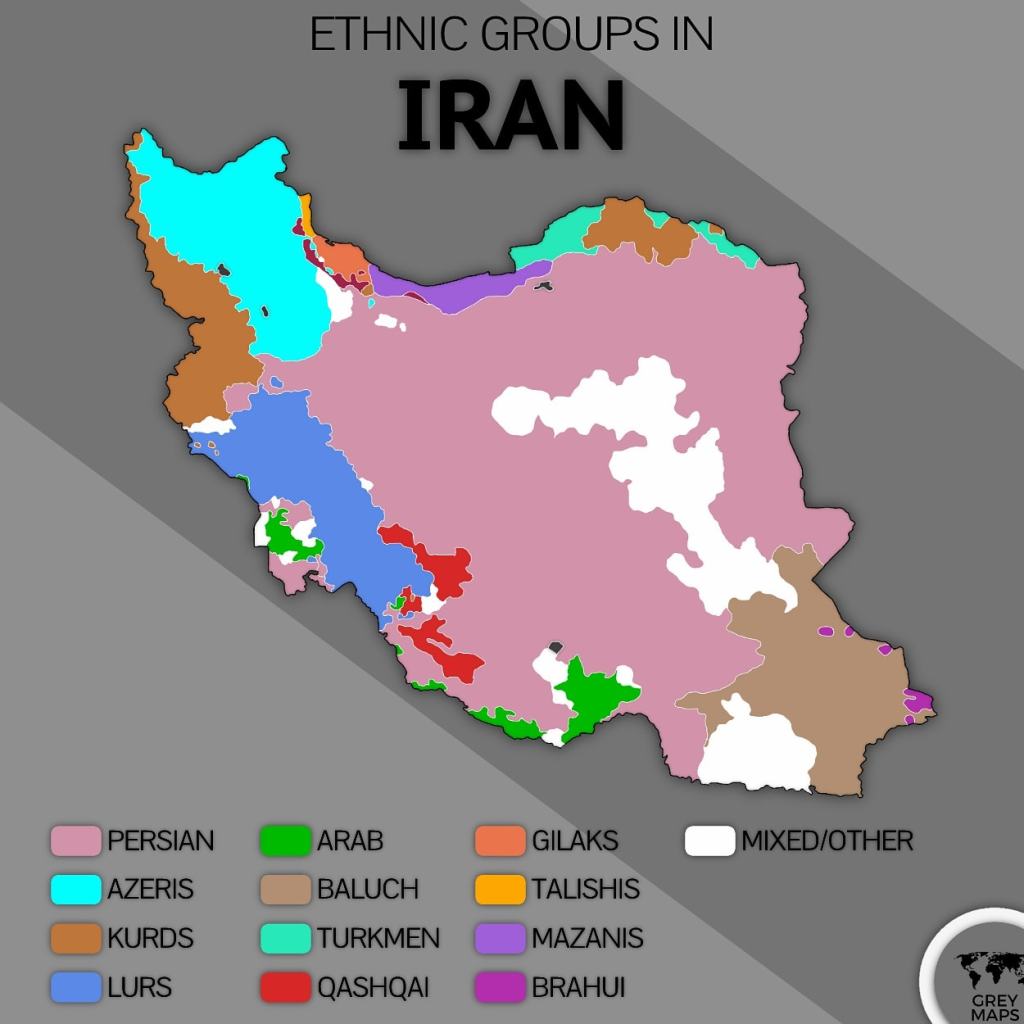
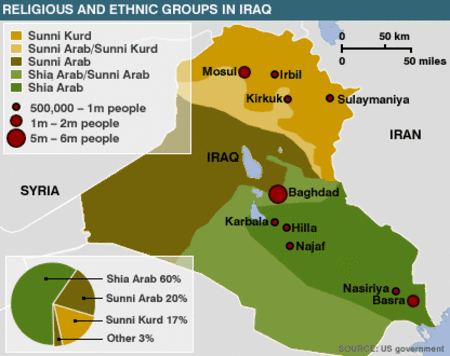
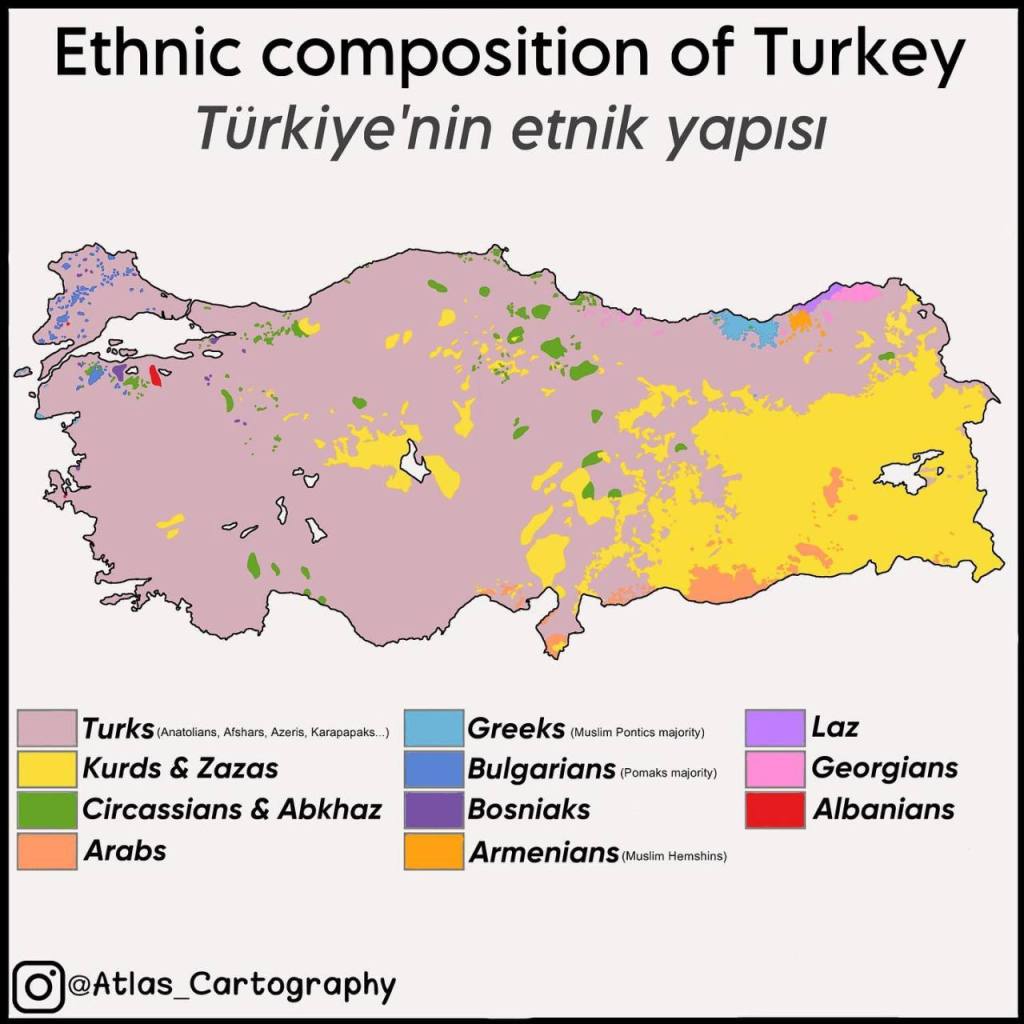
- Proposed Division: Iraq would be divided into three autonomous regions, each administered by one of the following: Turkey, Iran, and Israel. This division aims to address ethnic and sectarian tensions by aligning governance with the major ethnic and political groups in the region.
- Implementation Plan: A detailed plan must be developed for the division, including considerations for the distribution of resources, security arrangements, and the protection of minority rights. An international oversight committee should be established to facilitate the transition and address any arising disputes.
IV. Stabilization Measures
- Economic and Humanitarian Assistance: International organizations and involved states should commit to providing economic and humanitarian aid to support the stability and development of the newly autonomous regions.
- Regional Security Arrangements: A new regional security framework should be established, involving Turkey, Iran, Israel, and other key stakeholders, to address common security concerns and reduce the risk of conflict.
V. Passport Provision and Diplomatic Ties
- Issuance of 200,000 Passports: As part of the agreement, Iran would facilitate the issuance of 200,000 passports for its citizens to NATO countries. This provision aims to foster greater mobility and strengthen diplomatic and economic ties between Iran and NATO member states.
- Strengthening Diplomatic Ties: A 12-year period of enhanced diplomatic engagement will be established, during which Iran commits to cooperative behavior and joint initiatives with NATO countries. This period will focus on building trust and ensuring mutual benefits for all parties involved.
VI. Monitoring and Review
- Periodic Reviews: The agreement should include regular reviews every two years to assess progress and compliance. Adjustments can be made based on the performance and evolving regional dynamics.
- Contingencies for Non-Compliance: Clear consequences for non-compliance should be outlined, including the reimposition of sanctions and potential diplomatic isolation.
VII. Conclusion
The proposed framework aims to address immediate security concerns while laying the groundwork for long-term stability in the Middle East. By conditioning the lifting of sanctions on specific commitments from Iran and incorporating regional powers into the governance of Iraq, this approach seeks to create a more balanced and cooperative regional order.
VIII. Additional Note
Regarding the personal request to buy a car for a spouse who dislikes public transportation, it is important to address this in a manner that reflects personal and family priorities rather than policy matters. A considerate approach might involve discussing transportation preferences and exploring options that best meet individual needs.
Appendix
- Detailed Implementation Plan for Iraq Division
- Proposed Regional Security Framework
- Monitoring and Verification Protocols
- Economic and Humanitarian Aid Proposals
References
- [International Relations Theories]
- [Previous Agreements and Frameworks]
- [Regional Stability Studies]
End of Policy Paper





Vélemény, hozzászólás?