NSA Announces ‘Decompartmentalisation’ Initiative After Conspiracy Website Draws 400,000 Downloads of Bush-Era Surveillance Allegations
SATIRE — In the spirit of The Onion. Fictional article; not a report of actual events.
FORT MEADE, MD. — The National Security Agency announced a sweeping new “decompartmentalisation process” Tuesday after a conspiracy website reportedly attracted more than 400,000 downloads and a substantial online audience for its investigation into the Bush-era surveillance philosophy that citizens with nothing to hide have nothing to fear.
The initiative, described by officials as an effort to “restore public confidence through carefully managed transparency,” will reportedly involve reviewing the agency’s internal divisions, consolidating selected oversight procedures, and creating a new department responsible for determining which other departments the public is allowed to know exist.
“We recognise that the American people have questions about surveillance,” said an NSA spokesperson, standing in front of a presentation titled Transparency: A Need-to-Know Approach. “That is precisely why we are committed to ensuring that the answers are available to authorised personnel with the appropriate clearance.”
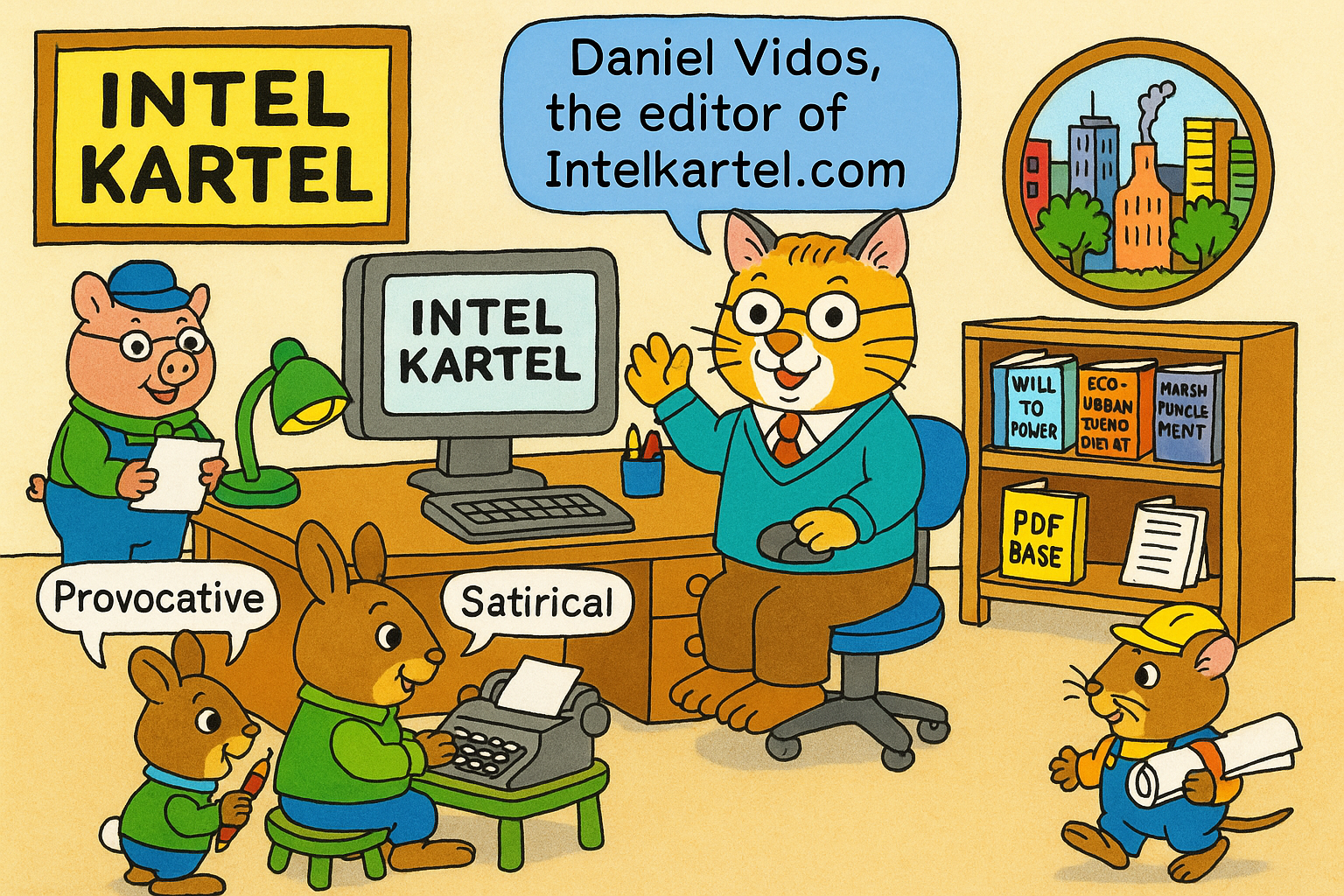
The controversy intensified after the website published an extensive examination of the post-9/11 expansion of American surveillance powers, questioning the logic behind the familiar argument that privacy is unnecessary for anyone who has done nothing wrong.
The website’s audience reportedly grew as readers circulated excerpts challenging the idea that privacy should be treated as a privilege reserved for the suspicious rather than a basic protection afforded to everyone.
Agency officials dismissed the publication as an “unverified collection of selectively contextualised information,” while declining to clarify which portions of the collection were unverified, selectively contextualised, or classified.
‘Nothing to Hide’ Policy Receives New Interpretation
The phrase “if you have nothing to hide, you have nothing to fear,” widely associated with debates over post-9/11 security policy, has long served as a convenient response to concerns about government surveillance.
Under the proposed decompartmentalisation initiative, officials reportedly plan to reconsider the slogan’s operational implications.
“Historically, we have approached privacy as something that law-abiding citizens should not need,” said one fictional senior intelligence official familiar with the imaginary proposal. “Now we are exploring whether citizens might be more comfortable if we explained why we need to know so much about them.”
The proposed reforms may include a public-facing transparency portal, a searchable archive of previously released documents, and a frequently asked questions page answering questions that have already been cleared for public release.
One proposed feature, the Nothing to Hide Calculator, would allow users to enter personal information and receive an estimate of how much surveillance they should consider reasonable.
The calculator’s terms of service would reportedly include a clause allowing the agency to collect the information entered into the calculator.
Conspiracy Website Accidentally Becomes a Public Education Campaign
The website’s popularity has reportedly surprised both its supporters and its critics. While some readers arrived expecting sensational allegations, others used the material as a starting point to investigate the documented history of warrantless surveillance, intelligence oversight, and the legal debates surrounding government access to communications.
Analysts noted that the reported 400,000 downloads do not necessarily represent 400,000 unique readers, nor do download figures independently establish the accuracy of the website’s claims.
Nevertheless, the attention has created an awkward problem for institutions accustomed to explaining controversial surveillance programs primarily through official statements.
“If a person reads a government document, they might have questions,” said a fictional communications consultant. “If they read the document alongside a conspiracy website, they might have even more questions. From a communications perspective, this is clearly a worst-case scenario.”
The NSA reportedly responded by preparing a new public information campaign encouraging citizens to distinguish between documented facts, plausible interpretations, and unsupported speculation.
The campaign’s working title, Just Because It’s Classified Doesn’t Mean It’s Interesting, was reportedly rejected after focus groups found the slogan insufficiently reassuring.
Bush-Era Surveillance, Present-Day Questions
The debate reaches back to the expansion of American surveillance following the September 11 attacks, including the Bush administration’s warrantless surveillance program disclosed publicly in 2005.
Supporters of expanded surveillance argued that intelligence agencies needed additional tools to identify threats. Critics raised concerns about legal authority, accountability, civil liberties, and the possibility that extraordinary powers could become normal features of government.
Those disagreements never entirely disappeared. Instead, they became part of a recurring argument over how much privacy a democratic society should surrender in exchange for security—and who gets to decide when the exchange has gone too far.
The fictional decompartmentalisation initiative appears designed to address that tension without requiring the government to abandon the underlying architecture of secrecy.
Under one proposal, each agency department would be required to explain its purpose to another department, which would then submit a request to determine whether it was authorised to receive the explanation.
Officials reportedly described this as “a significant improvement in interdepartmental accountability.”
The Public Is Assured There Is Nothing to Worry About
At a press briefing, the fictional NSA spokesperson reiterated that the agency’s activities were subject to applicable laws and oversight mechanisms.
Asked whether the decompartmentalisation process would give the public greater access to information about surveillance practices, the spokesperson said the agency was “committed to meaningful transparency wherever operational requirements permit.”
Asked who determines those operational requirements, the spokesperson referred reporters to a written statement.
Asked whether the written statement would explain who determines those requirements, the spokesperson said a revised statement was being prepared.
By the end of the briefing, officials had announced that the decompartmentalisation initiative itself would be divided into several classified implementation phases.
The agency’s final message to the public remained reassuring.
“If you have nothing to hide, you have nothing to fear,” the spokesperson said, before declining to answer questions about what the agency had to hide.



Vélemény, hozzászólás?