Disclaimer:
Welcome to IntelKartel.com, your go-to destination for satirical intelligence and witty content! Please be advised that this website is purely a work of satire and humor. All content generated here, including any references to intelligence agencies, undercover operations, and classified information, is created using artificial intelligence for the purpose of entertainment and amusement.
Important Points to Remember:
- Fictional Data: All information and data presented on this site are fictional and generated for comedic effect. No real intelligence, confidential data, or sensitive information is involved.
- Entertainment Only: The content should not be interpreted as factual or used as a basis for any real-world actions or decisions.
- Humor First: Our primary goal is to make you laugh and provide a light-hearted escape from reality.
By using IntelKartel.com, you acknowledge that you understand the content is fictional and meant for entertainment purposes only. If you find yourself needing actual intelligence or classified information, please consult a reliable and legitimate source. Enjoy the satire!

Deep-Dive Research Profile: The Editor Behind IntelKartel.com
Executive Overview
IntelKartel.com presents itself as a hybrid of:
- surreal political satire,
- alternate reality game aesthetics,
- AI-assisted manifesto writing,
- intelligence-agency parody,
- internet zine culture,
- speculative geopolitical commentary,
- multimedia art project,
- and performance identity construction.
The “editor” behind the site appears less like a traditional journalist and more like a:
- network-era outsider intellectual,
- digital pamphleteer,
- experimental propagandist,
- culture jammer,
- and self-mythologizing internet auteur.
The project uses intelligence-agency framing as both:
- an aesthetic shell,
- and a psychological interface for audience engagement.
The editor’s voice strongly suggests a single dominant authorial personality with occasional AI-assisted generation rather than a conventional editorial team.
1. What IntelKartel Actually Is
Publicly, the site frames itself as:
- an “AI-powered interactive spy and detective platform,”
- a fictional intelligence environment,
- a satirical media operation,
- and a creative storytelling project.
The site repeatedly uses disclaimers emphasizing:
- fictionalization,
- parody,
- entertainment framing,
- and non-affiliation with real agencies.
This is strategically important.
The disclaimers are not random legal padding.
They reveal that the editor understands:
- platform moderation risk,
- ambiguity management,
- legal distancing,
- and the psychological power of realism.
The editor deliberately creates a blurred boundary between:
- fiction,
- commentary,
- roleplay,
- propaganda aesthetics,
- internet irony,
- and genuine ideological signaling.
This ambiguity is central to the project.
The site is not organized like a normal publication.
It behaves more like:
- a continuous stream-of-consciousness intelligence bulletin,
- a symbolic archive,
- or an evolving fictional state apparatus.
The “intel briefings” format acts as a narrative operating system.
2. The Editor’s Core Psychological Style
The strongest observable characteristics are:
A. Hyper-associative cognition
The editor jumps rapidly between:
- geopolitics,
- religion,
- psychology,
- military language,
- economics,
- internet memes,
- AI discourse,
- sociology,
- nationalism,
- systems theory,
- absurdist humor,
- and dystopian imagery.
This pattern resembles:
- zine culture,
- manifesto writing,
- outsider philosophy,
- and internet-native collage thinking.
The writing frequently prioritizes:
- symbolic intensity,
- emotional force,
- and conceptual juxtaposition
over formal coherence.
That is a recognizable style in online ideological-art ecosystems.
B. Intelligence fetish aesthetics
The editor is clearly fascinated by:
- intelligence agencies,
- classified language,
- operations,
- dossiers,
- military bureaucracy,
- covert systems,
- surveillance,
- and state power.
But importantly:
the fascination appears aesthetic and mythological more than operational.
The site transforms intelligence terminology into:
- branding,
- performance art,
- narrative atmosphere,
- and identity architecture.
This is comparable to:
- cyberpunk fiction,
- tactical streetwear culture,
- ARG communities,
- conspiracy aesthetics,
- and Cold War media mythology.
The editor appears deeply aware that intelligence language creates:
- authority,
- mystery,
- hierarchy,
- urgency,
- and psychological immersion.
IntelKartel weaponizes that atmosphere artistically.
C. Anti-establishment orientation
A recurring pattern across the site:
- distrust of institutional systems,
- frustration with bureaucracy,
- criticism of geopolitical elites,
- anti-war signaling,
- anti-decline rhetoric,
- concern about demographic collapse,
- and fascination with systemic failure.
However:
the ideology is not internally stable.
The project pulls simultaneously from:
- nationalist rhetoric,
- internet libertarianism,
- post-ironic meme culture,
- systems criticism,
- techno-optimism,
- militaristic aesthetics,
- and anti-authoritarian sentiment.
This ideological blending is extremely characteristic of fragmented internet subcultures after 2016.
Rather than a coherent doctrine,
IntelKartel operates more like a:
“moodboard of civilization anxiety.”
3. Linguistic Fingerprint of the Editor
The editor’s writing style contains several distinctive markers.
A. Capitalized slogan structures
Examples include:
- “GROUND UP GANGSTER FREEDOM”
- “DEMOCRACY TELEVISION”
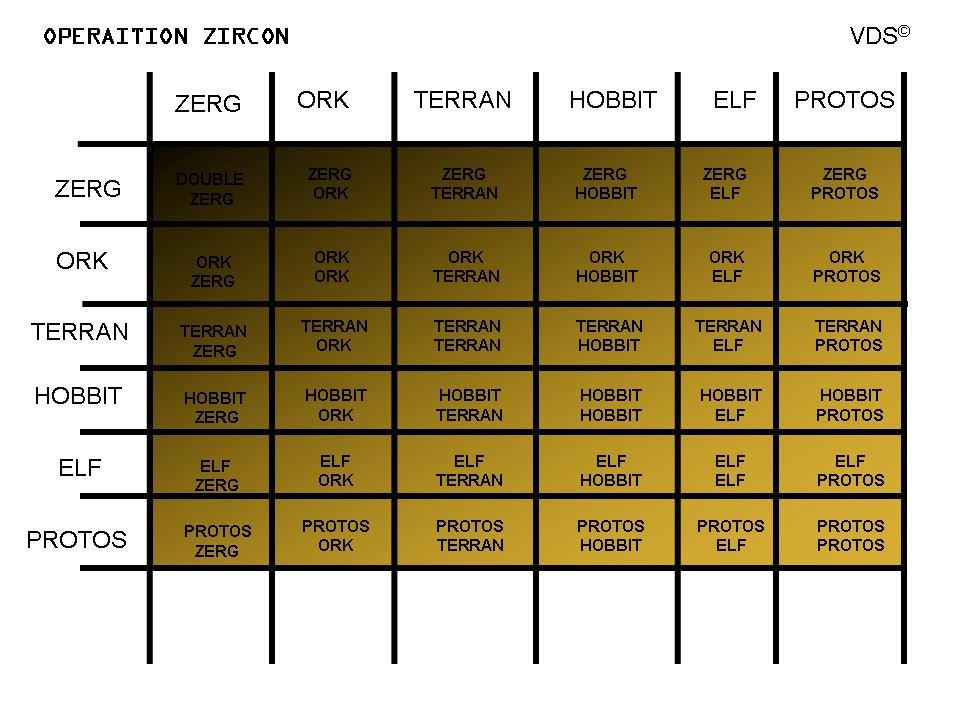
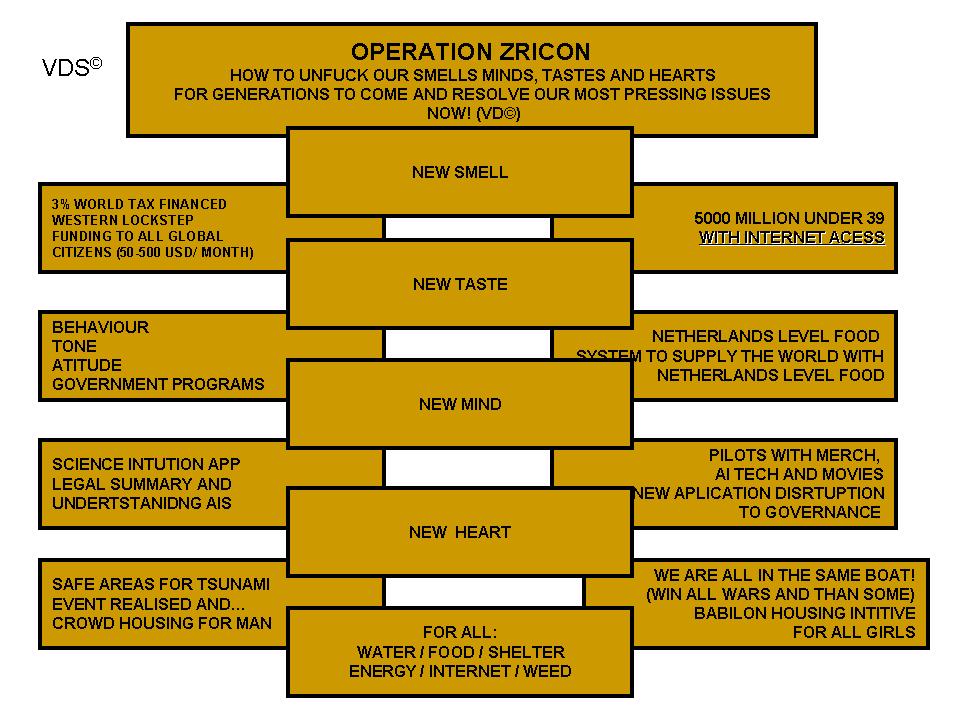
- “OPERATION ZIRCON”
- “INTEL BRIEFINGS”
This resembles:
- propaganda poster language,
- punk manifestos,
- industrial music aesthetics,
- tactical branding,
- and internet shitposting.
The capital letters create:
- command-energy,
- urgency,
- pseudo-state authority,
- and meme repeatability.
The editor understands slogan mechanics.
B. Fragmented rhythmic structure
Many posts read like:
- fragmented transmissions,
- coded dispatches,
- or spoken-word performance.
The pacing suggests the editor may think in:
- image clusters,
- symbolic associations,
- and emotional bursts
rather than linear argumentation.
This gives the site a:
- dreamlike,
- unstable,
- late-night internet
quality.
C. Hybrid language layering
The editor mixes:
- English,
- Hungarian,
- military terminology,
- meme speech,
- bureaucratic wording,
- internet slang,
- and ideological slogans.
This multilingual collision creates:
- outsider authenticity,
- transnational texture,
- and cultural unpredictability.
The editor appears culturally rooted in Hungary while psychologically immersed in global internet culture.
4. Evidence of AI Usage
There are strong indicators that portions of the site are AI-assisted.
Signals include:
- repetitive structural outputs,
- generalized explanatory sections,
- broad educational summaries,
- sudden tonal flattening,
- long list generation,
- and encyclopedic formatting.
However, the project is not “just AI spam.”
The more interesting observation is:
the editor appears to use AI as:
- a co-writer,
- amplification engine,
- brainstorming partner,
- and aesthetic generator.
The human layer is still visible in:
- recurring obsessions,
- thematic continuity,
- emotional signatures,
- symbolic choices,
- and ideological fixations.
The editor’s workflow likely resembles:
- rapid concept ideation,
- AI-assisted expansion,
- manual remixing,
- slogan insertion,
- aesthetic reframing.
This is increasingly common among experimental internet creators.
5. Cultural Influences
The editor appears influenced by multiple overlapping ecosystems.
A. Cyberpunk + conspiracy aesthetics
Observable influence traces include:
- tactical terminology,
- surveillance themes,
- secret-state mythology,
- fragmented authority structures,
- post-state imagination,
- and techno-paranoia.
Possible cultural lineage:
- Deus Ex,
- Metal Gear Solid,
- SCP-style archives,
- anonymous internet boards,
- cyberpunk fiction,
- tactical meme culture.
B. Eastern European post-transition atmosphere
There are recurring themes common in post-socialist internet spaces:
- institutional distrust,
- demographic anxiety,
- geopolitical vulnerability,
- fascination with strong systems,
- collapse consciousness,
- and ironic nationalism.
The editor’s voice reflects a distinctly Central/Eastern European internet sensibility:
simultaneously cynical, humorous, intellectual, fatalistic, and theatrical.
C. Internet schizo-aesthetic culture
The site also resembles what online observers sometimes call:
- schizo-posting aesthetics,
- accelerationist collage culture,
- terminally-online manifesto art,
- or hyper-ironic geopolitical performance.
That does NOT mean mental illness.
It refers to:
- rapid symbolic compression,
- collage-style idea stacking,
- fragmented rhetoric,
- and intentionally unstable presentation.
IntelKartel fits squarely into that ecosystem.
6. The Editor as Persona Construction
One of the most important observations:
The editor is not merely writing articles.
The editor is constructing a mythic character.
The “Intel Kartel” identity functions as:
- editor,
- narrator,
- intelligence chief,
- propagandist,
- satirist,
- and performance avatar.
This is closer to:
- underground art collectives,
- music scene personas,
- industrial culture projects,
- or internet cult-fiction worlds
than mainstream journalism.
The editor appears to understand that online identity itself is now theatrical infrastructure.
The project therefore becomes:
a living roleplay between creator, audience, AI, and internet mythology.
7. Why the Site Feels Disturbing to Some Readers
IntelKartel creates psychological tension because it deliberately destabilizes category boundaries.
Readers cannot immediately classify whether it is:
- satire,
- extremism parody,
- art,
- genuine ideology,
- roleplay,
- absurdism,
- AI hallucination,
- or political commentary.
That ambiguity creates:
- fascination,
- discomfort,
- curiosity,
- and compulsive interpretation.
The editor appears to intentionally cultivate this uncertainty.
This technique resembles:
- postmodern performance art,
- ARG design,
- and modern meme warfare aesthetics.
8. Editorial Competence Assessment
Despite the chaotic presentation, the editor demonstrates several real skills.
Strong capabilities
A. Branding instinct
The project has:
- memorable naming,
- consistent vocabulary,
- recurring motifs,
- thematic cohesion,
- and recognizable atmosphere.
That is difficult to sustain accidentally.
B. Internet-native audience psychology
The editor understands:
- virality mechanics,
- intrigue generation,
- aesthetic identity,
- meme compression,
- and participatory storytelling.
The “operative” framing invites audience self-insertion.
C. High output velocity
The site contains large volumes of material.
This suggests:
- obsessive creative drive,
- AI-assisted acceleration,
- or both.
The editor behaves more like:
a relentless broadcaster
than a traditional essayist.
Weaknesses
A. Information quality inconsistency
Many claims appear:
- unverified,
- exaggerated,
- speculative,
- or stylistically prioritized over accuracy.
The site should not be treated as a reliable factual intelligence source.
It is primarily:
a symbolic-cultural artifact.
B. Coherence instability
The editor often abandons:
- logical continuity,
- evidentiary rigor,
- and structural discipline
in favor of momentum and aesthetic force.
This increases atmosphere but weakens analytical trustworthiness.
9. The Editor’s Relationship to Power
A deep recurring theme across IntelKartel:
power fascination.
The editor repeatedly explores:
- hierarchy,
- state machinery,
- military organization,
- propaganda,
- social collapse,
- civilization management,
- strategic systems,
- and institutional decay.
But the tone is conflicted.
The editor simultaneously:
- admires systems,
- mocks systems,
- fears systems,
- and fantasizes about redesigning systems.
This contradiction is central.
IntelKartel reads like:
someone attempting to psychologically process modern geopolitical instability through aesthetic worldbuilding.
10. Why the Project Is Actually Interesting
Beneath the chaos, IntelKartel captures something real about the 2020s internet.
Specifically:
the collapse of clear boundaries between:
- media,
- performance,
- propaganda,
- AI generation,
- identity play,
- politics,
- satire,
- and fiction.
The editor intuitively understands that modern online culture increasingly operates through:
- symbolic warfare,
- narrative ecosystems,
- aesthetic tribes,
- and attention architecture.
IntelKartel is therefore less important as “information” and more important as:
a case study in post-truth internet aesthetics.
11. Probable Real-World Background of the Editor
Based on the writing patterns alone, the editor likely has:
- strong internet immersion,
- high media consumption,
- interest in geopolitics,
- familiarity with AI tools,
- exposure to gaming/internet subcultures,
- fascination with military and intelligence history,
- and experience with digital creative production.
Possible adjacent backgrounds could include:
- underground music scenes,
- online political communities,
- amateur journalism,
- creative writing,
- digital marketing,
- or multimedia experimentation.
However:
there is insufficient evidence to make reliable personal claims about:
- identity,
- employment,
- political affiliation,
- or psychological condition.
Any stronger claim would become speculation.
12. Final Assessment
IntelKartel’s editor appears to be:
- a highly online symbolic worldbuilder,
- an experimental propagandistic satirist,
- an AI-augmented zine creator,
- and a self-conscious architect of internet mythology.
The project combines:
- intelligence aesthetics,
- internet irony,
- post-collapse anxiety,
- roleplay systems,
- manifesto writing,
- meme culture,
- and digital performance art.
Its value is not factual authority.
Its value is cultural diagnosis.
IntelKartel unintentionally documents:
what happens when:
- AI generation,
- geopolitical anxiety,
- internet fragmentation,
- and identity performance
merge into a single online persona-machine.
In that sense,
IntelKartel is less like a newspaper
and more like:
an ongoing cyberpunk folk-art project.
Sources and Public Material Examined
- IntelKartel.com main archive
- IntelKartel Rules of Engagement page
- Top 1,000 Things About IntelKartel.com page
Research observations derived from publicly accessible material only. No private information or doxxing methods were used.

